El Salvador's capital region is bigger than most travellers realise. The San Salvador Metropolitan Area (AMSS) now officially covers 28 districts across two departments, stretching from the capital's historic downtown all the way to Pacific surf breaks like El Tunco and El Sunzal.
The area was expanded twice in quick succession. In October 2024, lawmakers brought in La Libertad Este and La Libertad Costa, taking the count to 23 districts. Then in February 2025, the Council of Mayors (COAMSS) approved five more — Panchimalco, Santo Tomás, Santiago Texacuangos, Rosario de Mora, and Comasagua — a change formalised in the Official Gazette on 20 February 2025. Note there's a paperwork wrinkle: the planning office OPAMSS still lists 23 districts on its website, and the legal update for the final five hasn't been confirmed yet.
Organisationally, the 28 districts sit within seven municipalities split between San Salvador and La Libertad departments. San Salvador department holds 16, grouped into San Salvador Center (the capital, Mejicanos, Ciudad Delgado, Cuscatancingo, Ayutuxtepeque), San Salvador East (Soyapango, Ilopango, San Martín, Tonacatepeque), San Salvador West (Apopa, Nejapa), and San Salvador South (San Marcos, Panchimalco, Santo Tomás, Santiago Texacuangos, Rosario de Mora). La Libertad's 12 districts fall under La Libertad South (Santa Tecla, Comasagua), La Libertad East (Antiguo Cuscatlán, Huizúcar, Nuevo Cuscatlán, San José Villanueva, Zaragoza), and La Libertad Coast (La Libertad, Tamanique, Teotepeque, Chiltiupán, Jicalapa).
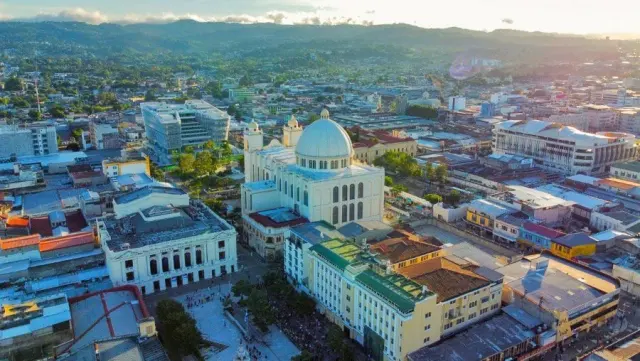
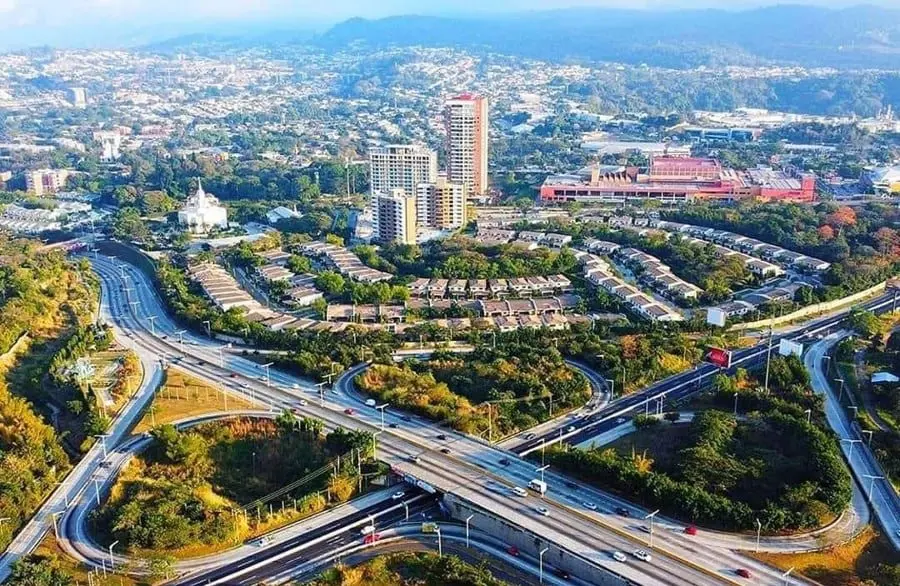
For visitors, this means one metro area can deliver very different days out. San Salvador itself offers the historic centre, government buildings, markets and shopping. Antiguo Cuscatlán and the Santa Elena zone are the polished side: business towers, universities, malls and upmarket dining. Santa Tecla makes a comfortable base with restaurants and easy access to western El Salvador.
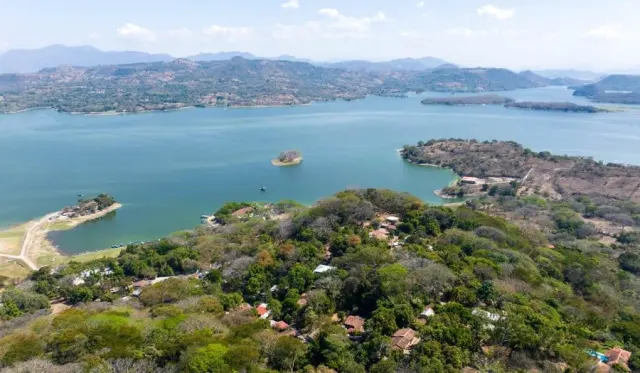
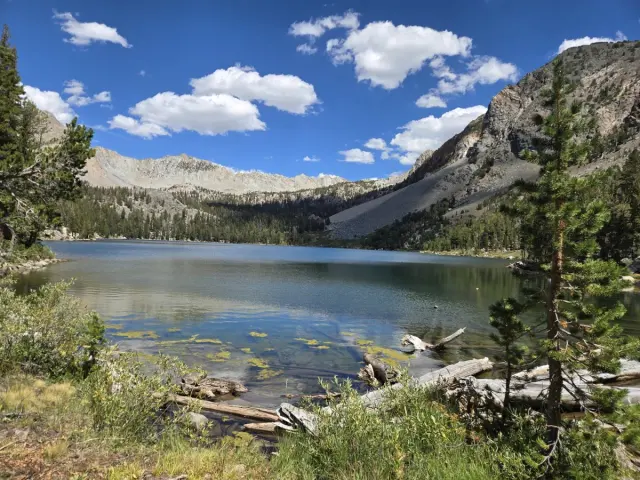
Head uphill and the pace changes. Comasagua sits in cooler mountain air with trails and views; Panchimalco is known for its heritage, festivals and historic church amid rural hills. Nejapa hosts one of the country's strangest spectacles, the Balls of Fire Festival, where locals hurl flaming kerosene-soaked rags at each other in honour of a volcanic eruption of 1658. And down on the coast, the La Libertad districts put the capital region within reach of El Salvador's best-known surf. Beach towns and smaller fishing and farming communities like Chiltiupán, Jicalapa and Teotepeque stay far quieter than the city core.
Why does this matter for trip planning? Because distances here are short. You can realistically base yourself in Santa Tecla or the capital and combine city sightseeing, a volcano-area hike and a surf session within a couple of days. It also helps to know the geography when navigating: addresses and bus routes in El Salvador are organised around these districts, and the recent reorganisation means signage, official maps and even some websites may still disagree about names and boundaries. Travellers should treat the district names as the reliable reference — they've kept their traditional identities even under the new municipal system.