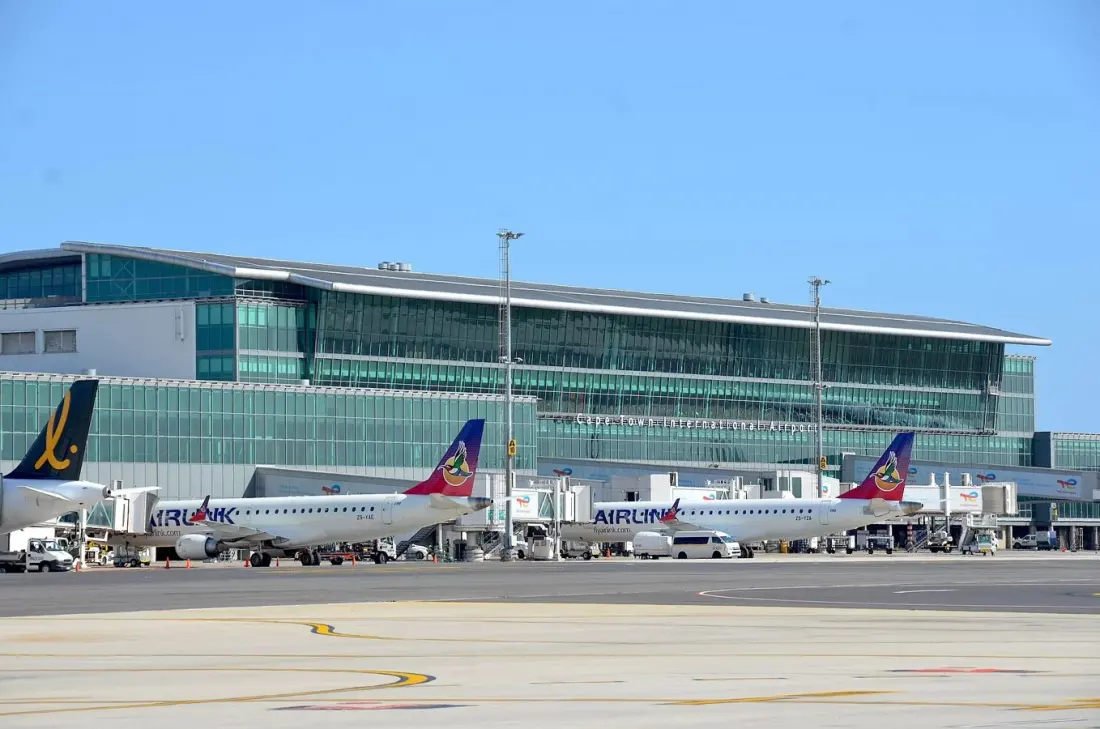
Cape Town International Airport is getting a serious makeover. Airports Company South Africa (ACSA) has earmarked more than R10 billion for the upgrade, the biggest slice of its R21.7 billion infrastructure programme across its national network — and anyone who has queued at Cape Town during the December rush will understand why.
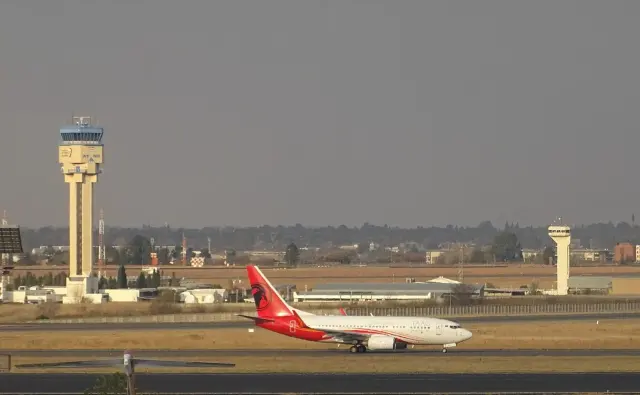
The centrepiece is a new main runway budgeted at R6.39 billion. It will run 3,500m long and 60m wide, realigned 11.5 degrees eastwards to improve air traffic flow and free up space for future terminal development. It's designed to Code F standards, meaning it can handle larger next-generation aircraft. Rapid-exit taxiways and a partial parallel taxiway should cut the time planes spend on the runway, speeding up turnarounds at peak times. ACSA plans to appoint a contractor in December 2026.
Terminals are next in line. A new domestic arrivals terminal (R2.39 billion) and a departures extension (R500 million) are set to start construction in April 2027, adding contact gates, airbridges and apron space. The international terminal gets phased upgrades worth roughly R863 million: more parking stands, upgraded immigration, better bus gates, and expanded retail and lounge areas — plus extra security screening, improved baggage reclaim, more bathrooms, and new family and prayer spaces. Work will be phased to keep disruption for passengers and airlines to a minimum.
The demand is real. Cape Town International handles 27.6% of all passenger traffic across ACSA's network, and the return of international tourism, new routes and added airline capacity have stretched terminals and flight slots. Much of that route growth is credited to Cape Town Air Access, a partnership of tourism, trade and government bodies that has lobbied airlines to add and expand services.
Beyond the terminals, ACSA has awarded the first three cargo warehouse sites through tender, approved an on-site airport hotel, and flagged longer-term "aerotropolis" development mixing transport, commercial and property projects around the airport.
There's also a second airport on the horizon. The privately owned Cape Winelands Airport, at the old Fisantekraal Airfield about 13km northeast of Durbanville, is planned as a multi-billion-rand international gateway — a 3,500m runway, passenger terminal, cargo facilities, hangars, a hotel and a heliport among them — with first operations targeted for 2028. Its director, Mark Wilkinson, argues a second airport could relieve congestion at Cape Town International and cut emissions. That said, it's still early: environmental processes, engineering and road connectivity all need to be resolved, so treat the 2028 date as ambitious.
For travellers, the takeaway is straightforward: expect a busier but gradually smoother Cape Town airport experience in the late 2020s, with shorter waits at immigration and security as the new capacity comes online. If you're flying in for the summer season in the next couple of years, build in extra time at peak periods — the upgrades won't be finished yet. But the direction of travel is good news for anyone heading to the Winelands, the Garden Route or the Cape peninsula.
Originally reported by Getaway South Africa.