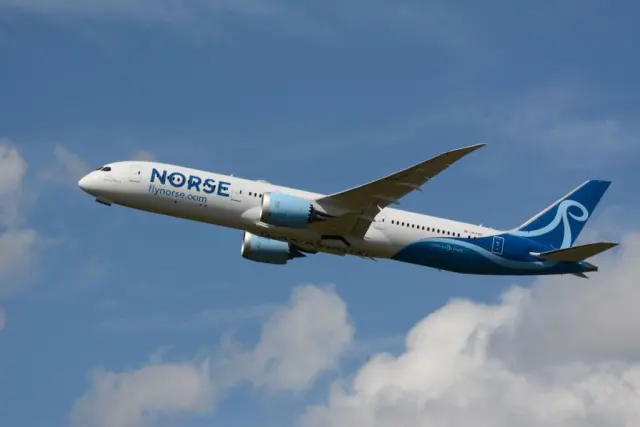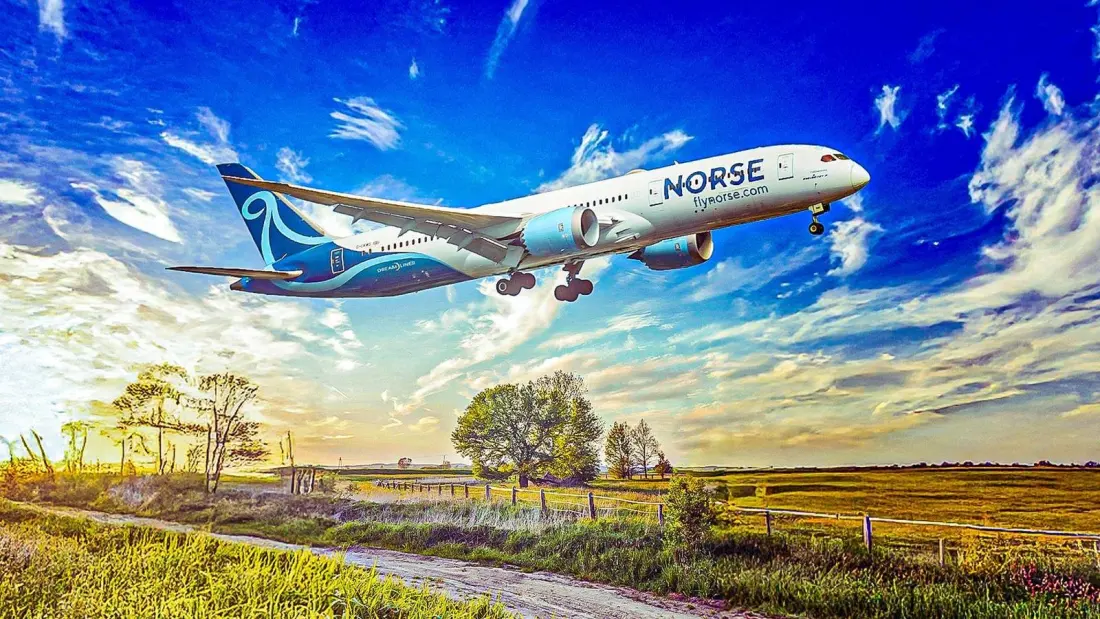
Norse Atlantic Airways, the low-cost long-haul carrier that launched in June 2022 to fill the gap left by Norwegian's exit from transatlantic flying, has suspended all flights and filed for bankruptcy — less than five years after its first Oslo–New York departure.
The end came quickly. On Thursday the airline halted operations; hours later it confirmed lease termination notices covering its entire fleet of 12 Boeing 787-9 Dreamliners. Its Norwegian operating subsidiary is now filing a bankruptcy petition with the Agder District Court, after emergency financing efforts failed. The listed parent company and its UK arm are outside the filing, and CEO Eivind Roald says management is still working to salvage what remains of the business.
The numbers tell a story of a carrier that was improving, then broke. Norse cut its annual net loss from $135.5 million in 2024 to $61.9 million in 2025, but the first half of 2026 brought a $94.6 million net loss. Income fell 10.8% year-on-year, maintenance costs jumped 30%, and financing expenses nearly tripled, helped along by a $32.9 million charge from a bond conversion. With no fuel hedging in place as jet fuel prices surged 92% in the second quarter, Norse cut its own-network capacity by 64% — yet couldn't shrink its fuel bill, since much of its cost base was fixed.
The airline had already been shedding its original identity. US Department of Transportation data shows its American network collapsed from 12 routes in summer 2025 to just four in summer 2026, with Los Angeles dropped entirely and London Gatwick–Orlando the only scheduled US route left standing. In its place came wet-lease (ACMI) work for other carriers — which grew from 11% of flights in mid-2025 to 56% a year later — plus a pivot towards Southeast Asia. Losing a six-aircraft deal with IndiGo and falling back on a smaller Pakistan International Airlines contract left it too exposed.
Ironically, the fleet Norse is losing may be the easiest part of it to replace. It picked up its 787-9s on bargain pandemic-era leases from AerCap and BOC Aviation, and with Boeing's Dreamliner backlog stretching delivery waits into years, 12 modern, Rolls-Royce-powered widebodies sitting suddenly idle will attract interest. LOT Polish Airlines, British Airways, Thai Airways, Royal Brunei — even, in a leftfield scenario, a Southwest Airlines experimenting with long-haul — have all been floated as potential takers.
For travellers, the practical fallout is immediate: anyone holding Norse bookings, particularly on Gatwick–Orlando, should treat those flights as cancelled and contact their airline, credit card provider or travel insurer about refunds. More broadly, it removes one of the few genuinely cheap ways to cross the Atlantic in a 338-seat Dreamliner with 56 premium economy seats — a reminder that ultra-low-cost long-haul remains a brutal business, five years after Norse tried to prove otherwise.