A botched cash heist turned into a day-long hostage crisis at an Exito supermarket on Pedro de Heredia Avenue, Cartagena's main thoroughfare, on Tuesday, November 24. Armed men tried to rob an armored cash transport vehicle, were spotted by the store's security camera operators — who hit the panic buttons — and then barricaded themselves inside with around 30 employees and shoppers, many of whom had come in for a discount event or were at the gym on the lower level.
By 10:30 that night, 14 hours after it began, roughly 20 people were still being held. Ten hostages had been freed earlier, including several elderly women. Police helicopters and drones circled overhead while snipers, elite police units, the army, the Gaula anti-kidnapping unit and the navy surrounded the building. Negotiators spoke face to face with the gunmen, and Exito staff were allowed in to deliver food. Reports said the hostage-takers demanded 7 billion Colombian pesos (about US$1.9 million), two armored SUVs and safe passage to Barranquilla.
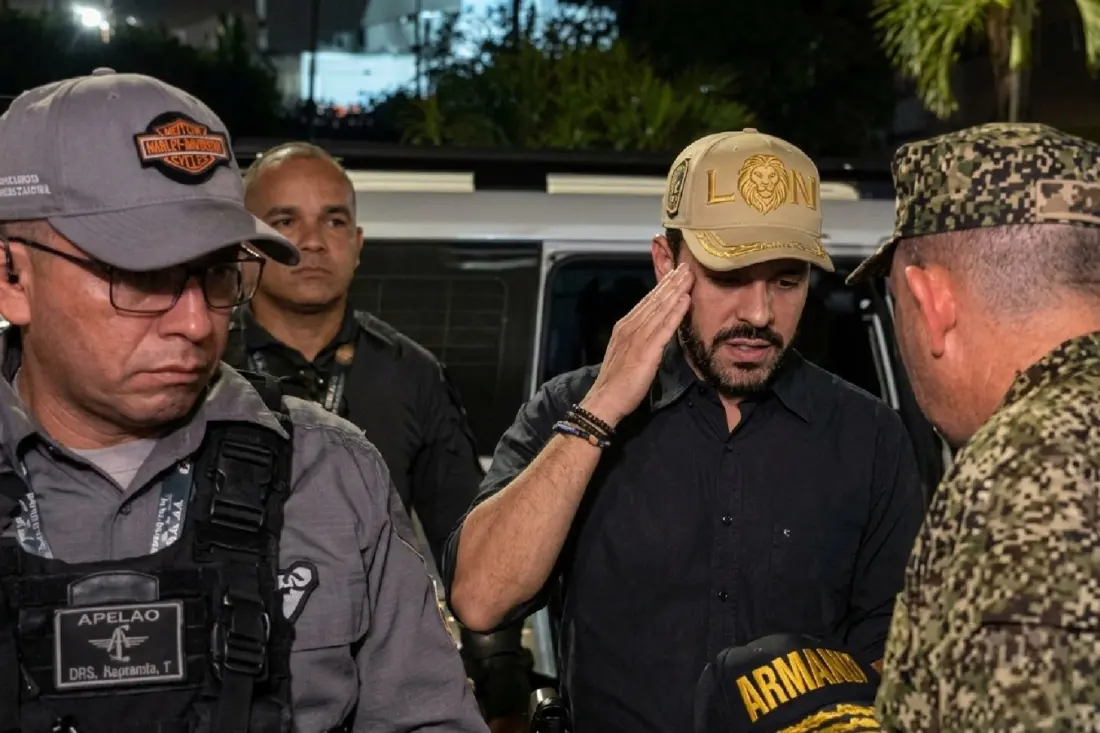
President Abelardo de la Espriella first addressed the crisis from Villavicencio — where a car bomb had hit the Meta Governor's Office the previous day — before flying to Cartagena and heading straight into a crisis room in the same shopping centre at 8:10 p.m., joined by Defense Minister Jorge Mora. According to Semana magazine, the president sent a message to the hostage-takers offering to personally guarantee their safety if they surrendered, saying he would not leave until the hostages were free. The government stressed the incident was ordinary crime, not terrorism, though the two events within 24 hours highlighted ongoing security strains elsewhere in the country.
For travellers, the key context is that this kind of standoff is rare in Colombia. Mass hostage-takings are associated with the old armed conflict — the M-19 seizures of the Dominican Republic's embassy and the Palace of Justice in Bogota — not with common criminals in a shopping mall. The last comparable case, a bank siege in Cali in 2018, ended in about 40 minutes with everyone released unharmed and the suspect arrested.
The real impact on visitors so far has been reputational. International outlets like The Guardian and France 24 framed the story around Cartagena's status as Colombia's tourist hub, contrasting the massive security deployment with the Walled City's usual image as the country's most popular destination. Anyone with trips planned should monitor local news, follow instructions from hotel staff and authorities, and remember that this was a targeted crime at a specific location rather than a city-wide threat.