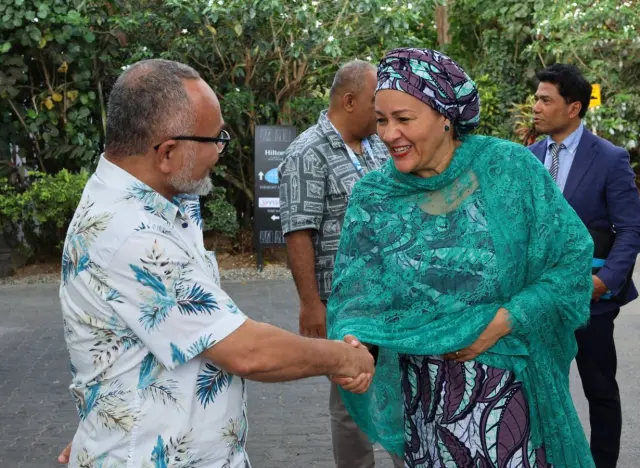
Honiara and Canberra have just formalised the biggest diplomatic reset in the Pacific in years. On 25 November, Australian Prime Minister Anthony Albanese and Solomon Islands Prime Minister Matthew Wale signed a landmark treaty in Canberra making Australia the Pacific nation's primary security partner — and, crucially for the Solomon Islands' previous alignment, allowing its 2022 security pact with China to lapse in April 2027.
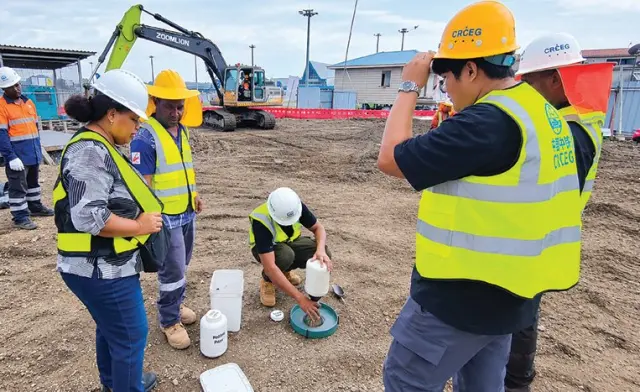
The deal covers far more than policing. Australia commits to supporting the Royal Solomon Islands Police Force and border management, plus substantial funding for the government's free education policy, budget support for local communities, and investment in roads and renewable energy. There are no foreign military bases allowed under the treaty, and sensitive infrastructure must stay free from militarisation. Security cooperation with any country outside the Pacific Islands Forum now effectively requires consulting Australia first.
For anyone with ties to the Solomon Islands, the people-movement elements matter most. The treaty expands the Pacific Australia Labour Mobility (PALM) scheme under a "PALM Plus" approach, opening work in early childhood and aged care, and promises smoother visas: longer permitted stays, extended visa validity and in-country visa processing in Honiara. There's also a broader football partnership and cultural exchanges planned.
The context is striking. The Solomon Islands, home to roughly 800,000 people, had been regarded as Australia's trickiest partner in the region and China's firmest Pacific foothold. Lowy Institute analyst Oliver Nobetau told AAP that letting the China deal lapse was historic — Wale is "actively picking a side" rather than hedging. Wale, who survived a no-confidence push earlier in the year, says his cabinet backed the treaty unanimously. It follows similar Australian agreements with Papua New Guinea, Fiji and Vanuatu.
The same regional bulletin carried other stories travellers to the Pacific should know about. Fiji's weather service expects El Niño conditions to persist through March to May 2027, which typically means drier, hotter conditions — worth factoring into any trip planning. Fiji is also deploying $800,000 vessels to tighten maritime border security. And in Vanuatu, a parliamentary report revealed that Australian billionaire Clive Palmer, his wife and his court-wanted nephew all held Vanuatu diplomatic passports issued under the country's controversial "golden passport" scheme, later cancelled in a crackdown. A separate dispute has France contesting Vanuatu's claim over two uninhabited islands.
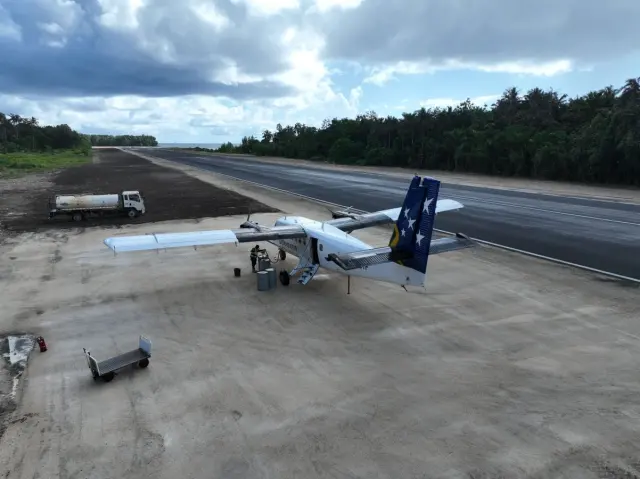
Why should holidaymakers care? The Solomon Islands remain one of the Pacific's least-visited countries — superb diving around WWII wrecks, quiet lagoons and genuinely off-the-beaten-path island culture — and this treaty should mean easier visas, better infrastructure and more flights-linked stability over time. If you've been waiting for the region to open up, the door is inching wider. Just keep an eye on the El Niño outlook if Fiji or neighbouring islands are on your itinerary.