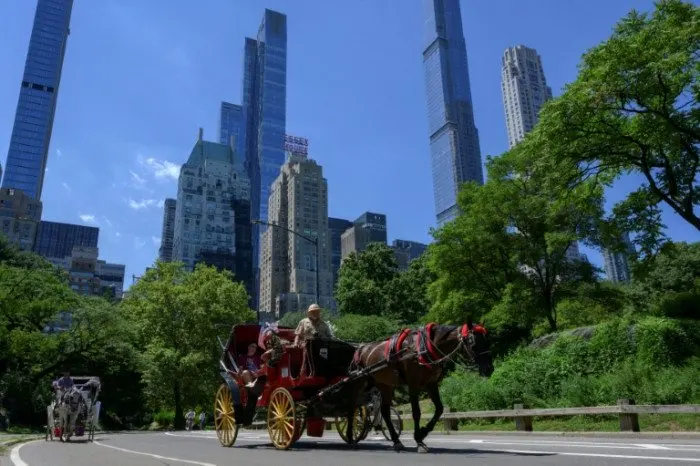
New York's city council has voted to ban horse-drawn carriages in Central Park, ending a tourist ritual that has rolled through Manhattan since the park's earliest days. Mayor Zohran Mamdani still needs to sign the measure, but once he does, the ban takes effect in June 2028. The runway is deliberate: it gives the roughly 150 working carriage drivers time to move into new jobs, a transition point the city council speaker Julie Menin stressed ahead of the vote.
The vote caps a legislative fight that has dragged on for close to twenty years. Opponents of the trade have long argued the horses suffer, citing fatal collapses and runaway incidents. Supporters have countered that the carriages provide steady work and carry a piece of the city's heritage — the rides are woven into pop culture, from the Robert Redford and Jane Fonda scene in Barefoot in the Park to a memorable Sex and the City moment.
What finally tipped the balance was a brutal summer. In June, an 18-year-old tourist from India was killed when a horse broke loose and bolted. That came after a string of other incidents, including the deaths of several horses. Even the Central Park Conservancy, which manages the most visited urban park in the United States — it draws 42 million visits a year — backed the ban, calling the situation a matter of public health and safety.
The bill doesn't just cut the drivers loose. It includes a provision exploring compensation for licence holders, and it bars owners of the nearly 200 horses from selling them for slaughter or on to other carriage operations — a nod to the animal welfare concerns at the heart of the debate. Not everyone is on board: the Transport Workers Union, which represents the drivers, has promised a legal challenge, so the final chapter may still play out in court.
For travellers, the practical upshot is simple. If a carriage ride through Central Park is on your New York bucket list, you have time — the ban starts in mid-2028, and legal action could delay things further. Rides currently run about $150 for 45 minutes, stretching to several hundred dollars for elaborate proposals, so it's not a cheap flourish either. Meanwhile, the park itself isn't going anywhere: 843 acres of lawns, lakes and pedestrian paths that remain entirely walkable, rentable by bike, or best of all free.