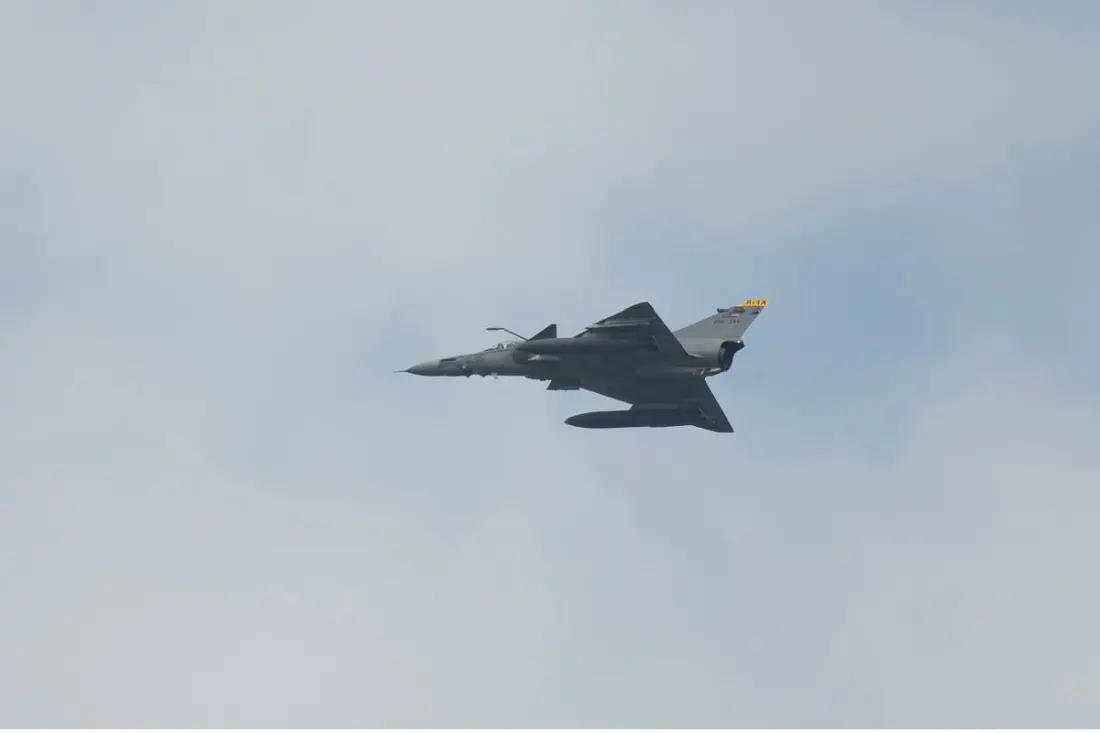
Colombia's new government is showing no restraint. In the early hours of Thursday, October 22, President Abelardo de la Espriella ordered his fifth military bombing since taking office just under three months ago. The target: the ELN guerrilla group's 'Jose Maria Becerra' front, part of its Southwestern War Front, in a rural zone of El Tambo municipality in the department of Cauca, southwestern Colombia.
Nine ELN members were killed in the operation, run by the Joint Special Operations Command (CCOES). Among them was the front's leader, Neftali Riascos Alegria, known by the alias 'Marcos Pacifico' — a figure the military says spent more than three decades in the illegal armed group and served as second-in-command and military chief of the entire Southwestern War Front. He was accused of directing three narcoterrorist fronts across Cauca, Narino and Valle del Cauca, with links to kidnappings and attacks on security forces in Cali and Buenaventura.
The strike fits a clear pattern. Since August 10, when De la Espriella ordered his first bombing just days after being sworn in — in the Catatumbo region of Norte de Santander — the air force has hit FARC dissident groups in Guaviare twice (Operations Amon and Azarias on August 27 and 30) and struck again in Catatumbo on October 10. The president has leaned into the showmanship too, releasing a video of himself authorising Defence Minister Jorge Mora to launch the latest attack.
So why should this matter to anyone planning a trip to Colombia? The southwestern departments of Cauca and Narino — which border Ecuador — are not on most tourist itineraries, but the wider Pacific coast region and border crossings are used by some overland travellers. Armed groups there are actively fighting for territory and control of illegal economies, and the government's escalated campaign means military activity in rural zones is likely to continue. Foreign travel advisories already discourage non-essential travel to much of Cauca, Narino and the Catatumbo region; this operation underlines why.
For mainstream destinations — Cartagena, Medellin, Bogota, the coffee region, Tayrona — day-to-day travel is unaffected, and the government's message is aimed squarely at armed groups rather than civilians. But if your route includes remote parts of the southwest, Ecuador border crossings, or Pacific coast villages like Guapi or Timbiqui, check current advisories and local news before setting out. Colombia is an extraordinary country to visit, and trips rarely touch these conflict zones — but this is one story where staying informed genuinely matters.