El Salvador isn't all beaches and surf breaks. When the year winds down, the smart move for locals and visitors alike is uphill — to cloud forests, crater viewpoints and coffee towns where a light jacket actually earns its place in the bag.
The heavyweight option is El Pital in Chalatenango, the country's highest point at roughly 2,730 metres. Getting there means slow mountain roads via San Ignacio and Río Chiquito, and evenings up top run colder than most visitors expect, so layers and pre-booked accommodation matter if you're staying overnight.
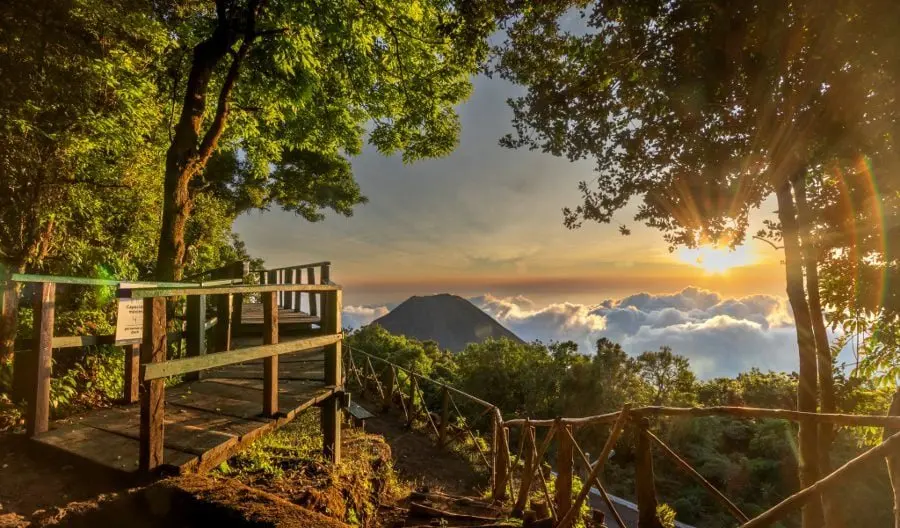
West of the capital, Cerro Verde National Park lets you walk cool forest trails with views of the Santa Ana and Izalco volcanoes — no summit push required. If you do want the full climb, both peaks need an authorised local guide and more planning than a casual park stroll. Clouds can swallow the views without warning, so the forest paths are worth enjoying on their own terms.
For a town-based trip, the Ruta de las Flores threads through Apaneca, Juayúa and Concepción de Ataco. Each has its pull: Ataco's murals, Juayúa's food scene, Apaneca's afternoon-mountain-view-and-coffee combo. The route rewards lingering over checkbox tourism — pick two towns, stay overnight in the higher ones, and don't assume every stop feels equally chilly.
Chalatenango's northern small towns make another easy cluster. La Palma is famous for its colourful folk art, San Ignacio for workshops and mountain access, and Las Pilas for highland farmland where potatoes, cabbage, onions and strawberries grow in the cool air. Nearby El Refugio, a wooded retreat with walking paths, cabins and the Nunuapa River, suits families who'd rather slow down than summit anything.
Closer to San Salvador, El Boquerón National Park sits on the San Salvador volcano and delivers a huge crater with viewpoints along the rim — inside sits Boqueroncito, a smaller cone born of the 1917 eruption. Mist can obscure the crater, so check conditions before heading up. Also near the capital, La Puerta del Diablo pairs jagged rock formations (per legend, split by the fleeing devil) with breezy climbs, ideally followed by pupusas in Los Planes de Renderos.
Two wilder picks round out the list. Montecristo National Park, near Metapán, protects a genuinely cold cloud forest of pines, oaks, ferns and orchids — entry needs arranging with park staff, and rain gear plus grippy shoes are essential. In northern Morazán, Perquín combines mountain scenery with the Museum of the Revolution, a sobering look at the country's civil war; winding roads mean you shouldn't over-schedule.
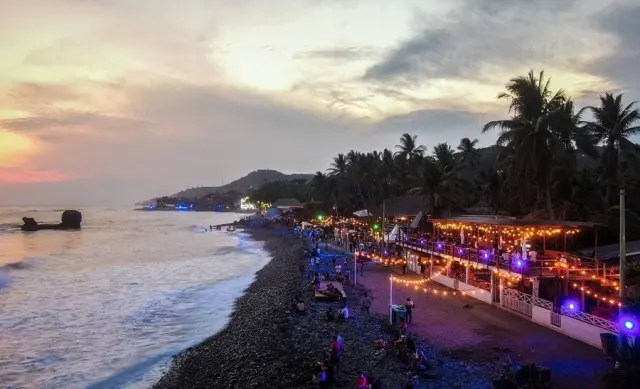
One caveat: Walter Thilo Deininger Park near La Libertad and Surf City protects dry coastal forest and stays warm, not cool. It's a solid morning stop, but cold-seekers should head for the highlands.
Why it matters: if you're eyeing Central America for a December break, El Salvador offers proper cool-weather variety — volcanoes, cloud forest and coffee towns — within short drives of each other and at prices well below neighbouring hotspots. Pack layers, confirm access before you go, and build in slack for mountain roads.