Costa Rica has pulled more than 74 metric tons of drugs off its streets and coastline so far this year, a figure the US Embassy in San José calls historic and well above previous totals. The number was announced after a security meeting at the embassy in Pavas, where President Laura Fernández sat down with Ambassador Melinda Hildebrand, DEA officials and her own security cabinet.
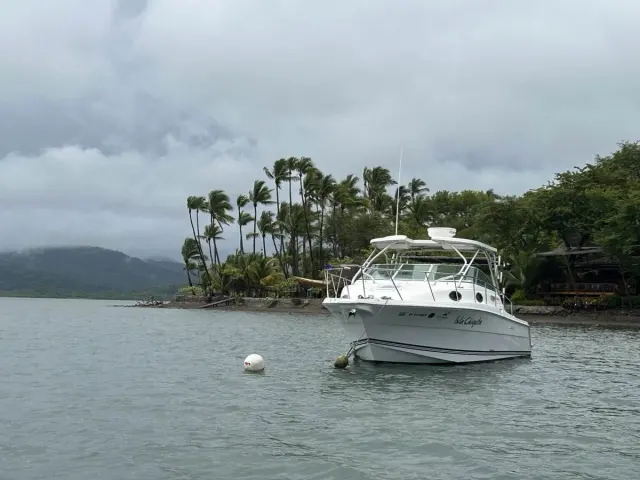
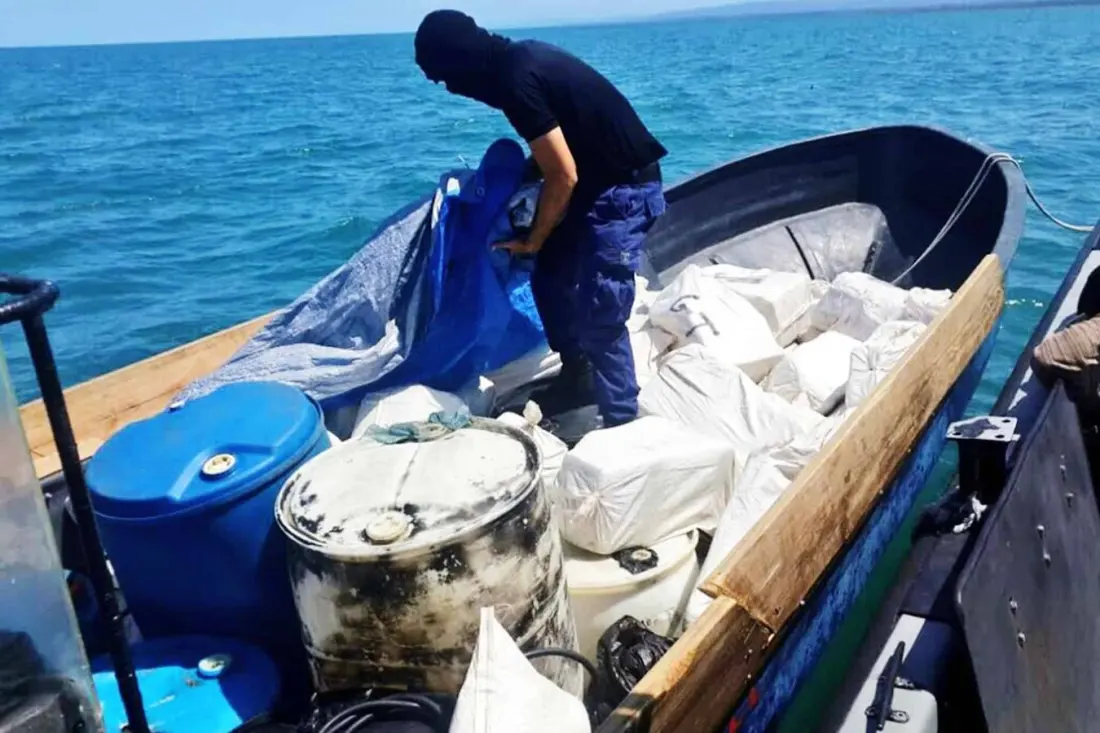
The timing wasn't accidental. The day before the meeting, Coast Guard officers and the Special Operations Group — backed by a US aircraft — stopped an unflagged 32-foot speedboat roughly 76 kilometres southwest of Sierpe de Osa, on the South Pacific coast. Three men were detained: two Colombians and an Ecuadorian. The boat, fitted with satellite communications and twin outboard motors, was towed to Golfito while the Drug Control Police work out what it was carrying. Just days earlier, authorities seized marijuana off Punta Burica near the Panamanian border and detained two more Ecuadorians.
The government attributes the record haul to deeper ties with Washington, including Costa Rica's membership this year in the Coalition Against Cartels of the Americas and the Shield of the Americas — regional frameworks covering everything from coordinated operations to freezing criminal assets. Cooperation has become so close that in late September a US military plane flew 45 tons of seized drugs to the United States for destruction, because Costa Rica simply couldn't burn that volume itself.
So why should a holidaymaker care? The story behind the numbers is that a lot of cocaine is moving up Costa Rica's Pacific coast toward North American and European markets, and officials connect much of that trafficking to the country's rising violence in recent years. Costa Rica remains one of the safest, most visited countries in Central America, and tourists are rarely touched by the narcotics trade — but the southern Pacific zone around Golfito, the Osa Peninsula and the border area near Panama is exactly where much of this enforcement is happening. Expect a heavier Coast Guard and police presence there, occasional maritime interdiction operations offshore, and the usual advice to stick to official routes and steer well clear of anything that looks even vaguely like a side hustle.
If anything, the record seizures are being presented by both governments as proof the joint operations are working — something that should reassure rather than alarm visitors. Watch this space: the government has hinted at even closer security cooperation with the US under Fernández, though no new operations or funding came out of Monday's meeting.