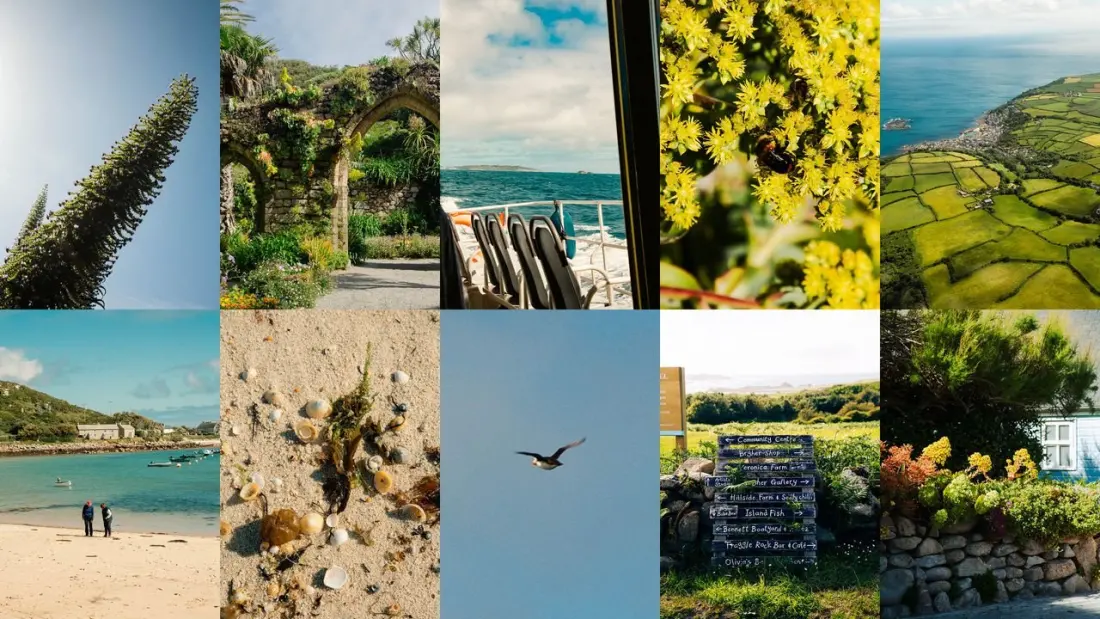
Twenty-eight miles off the Cornish coast, the Isles of Scilly look like they shouldn't belong to Britain: white-sand beaches, a mild microclimate, and seas clear enough to make you forget you're still in England. More than 100 islands make up the archipelago, though only five are inhabited, home to roughly 2,200 people and around 100,000 visitors each summer. Most come for the beaches and the slow pace — but a dedicated few come for the puffins.
One photographer for Condé Nast Traveller learned just how slippery that promise can be. The plan was simple: a six-hour train from London to Penzance, then a 20-minute helicopter hop to Tresco, then a small boat out to the rocky outcrop where around 100 pairs of puffins breed each year. The reality took more than 24 hours. Train delays stacked up, fog grounded the helicopter despite it being one of the hottest UK summers on record, and a night on the mainland ate into a trip that was already short. By the time the boat finally chugged out to the puffin rocks, rough seas left over from the previous night's storm kept them at a distance — and the birds, sensibly, stayed off the choppy water.
The payoff was modest but real: a handful of puffins, their bright orange beaks distinguishable from the guillemots and razorbills that love to confuse first-timers, diving for fish and darting back to their burrows. Puffin season runs from mid-April, when the colony returns to the same breeding spots, until late July, when the chicks — pufflings, genuinely — fledge and the whole flock heads back out to sea. June is peak time.
The lesson from the trip is a practical one. Scilly weather flips fast, and boat trips there are flexible by design: skippers work around conditions and reroute based on wildlife sightings. Build in extra days rather than treating it as a weekend dash, and you'll dramatically improve your odds. Even when the puffins play hard to get, the islands deliver — seals, porpoises and whales appear in these waters, and Tresco's famous subtropical gardens reward a slow wander on dry land. Buggies, incidentally, are the main way to get around.
If the Scillies feel like too much of a mission, the UK has other puffin strongholds: Skomer in Pembrokeshire, where you can walk among the burrows themselves, the Farne Islands off Northumberland, and the Isle of May in the Firth of Forth.
Who is this for? Anyone tempted by the Scillies who wants an honest picture of the logistics. The islands are genuinely remote — cancellations happen even in summer — but the reward is one of the most distinctive corners of Britain, where the wildlife, the beaches and the feeling of being far from everything justify the effort, provided you give yourself enough time to let the weather cooperate.