The Catalan Pyrenees pack an unusual amount of nature into a compact corner of northeast Spain. Because the mountains sit where Mediterranean and Atlantic climates overlap — with forest, river and high-alpine zones all close together — the region supports a wildlife list that few European destinations can match.
The headline animal is the brown bear, which had all but vanished by the mid-20th century. A reintroduction programme begun in the 1990s brought them back, and they now roam the slopes and forests again. Actual sightings are rare, but guided tracking tours let you follow their trails and support conservation at the same time.
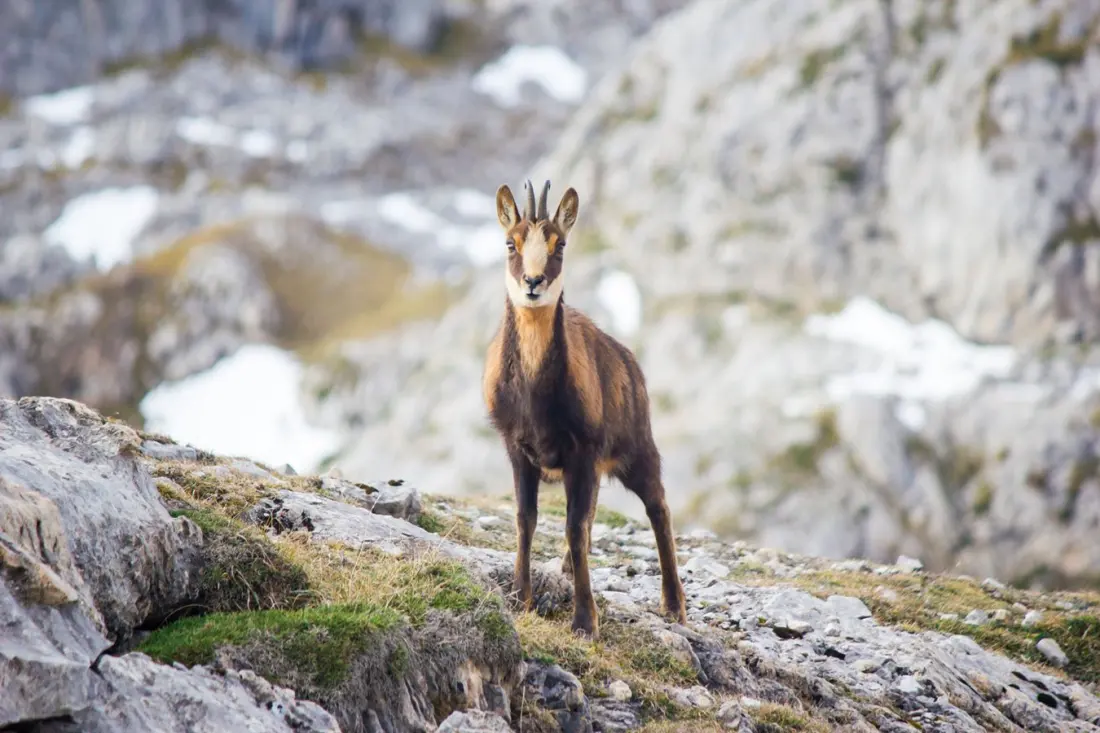
Other stars include the Pyrenean chamois (or isard), an agile goat-antelope with short curved horns; the alpine marmot, whose warning whistle is a signature mountain sound; and red deer, among the easiest icons to spot in herds on the foothills. Birdlife is just as compelling. Europe's largest woodpecker, the jet-black black woodpecker, is so tied to Cadí-Moixeró Natural Park that the park's magazine bears its name. The capercaillie — the world's biggest grouse — has its Pyrenean stronghold in Alt Pirineu Natural Park, home to around 120 males and the region's densest concentration of mating grounds.
For birdwatchers, the raptors are the main event. The Catalan Pyrenees hold one of Europe's highest concentrations of birds of prey, including griffon, Egyptian and rare black vultures, plus bearded vultures soaring over the ridges. The Cerdanya valley doubles as an ecological motorway: thousands of migrants funnel through its low floor each year on their way between northern Europe and Catalonia's coastal wetlands, making it rewarding in almost any season.
Timing shapes what you'll see. Winter pushes chamois down to sunnier lower slopes, where their coats turn almost black. Spring brings marmots out of hibernation to bask in the meadows. In autumn, red deer rut in the forests of Boumort and the Val d'Aran.
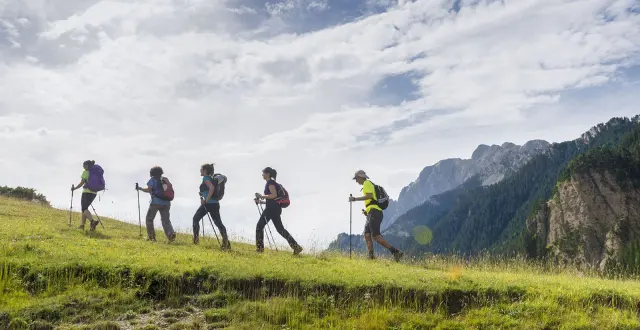
There are structured ways to experience all of this beyond simply hiking and hoping. Guided nature tours teach you to identify animals by sound and behaviour, and photographic hides let you watch deer, vultures and eagles up close with a camera in hand. Visitor centres in Llavorsí, La Seu d'Urgell and Bagà — home to the Cadí-Moixeró centre — offer maps, guides and exhibitions on local fauna and geology.
The wildlife ties into the region's food culture, too. Centuries of livestock farming on mountain pastures have produced PDO-status cheeses and butters from Alt Urgell and Cerdanya, goat and sheep cheeses from the Ripollès dairies, and honey flavoured with rosemary, heather and wildflowers around Bagà, Gósol and Berga. Tasting them is a small way to keep those mountain traditions alive.
For travellers who want a European trip built around animals and scenery rather than cities, the Catalan Pyrenees deliver rare species, serious birdwatching and seasonal drama within a driveable, walkable area.