Mexico has a reputation for endless sunshine, but parts of the country get genuinely cold from late autumn through winter — think highland towns, colonial cities at altitude and mountain regions where evenings can drop close to freezing. Anyone renting a winter let or staying in a home there will quickly notice a quirk of Mexican housing: most properties are not insulated or centrally heated, because the climate is mild most of the year. Warmth is handled room by room, in the evening and early morning, and knowing the options makes a cold-season stay far more comfortable.
The traditional answer is the open fireplace, common even in older homes in cooler regions. Two things matter: buying properly cured wood from a local supplier (green wood wrecks chimneys) — ideally from sustainable or naturally felled sources — and keeping the chimney clean so smoke doesn't settle through the house.
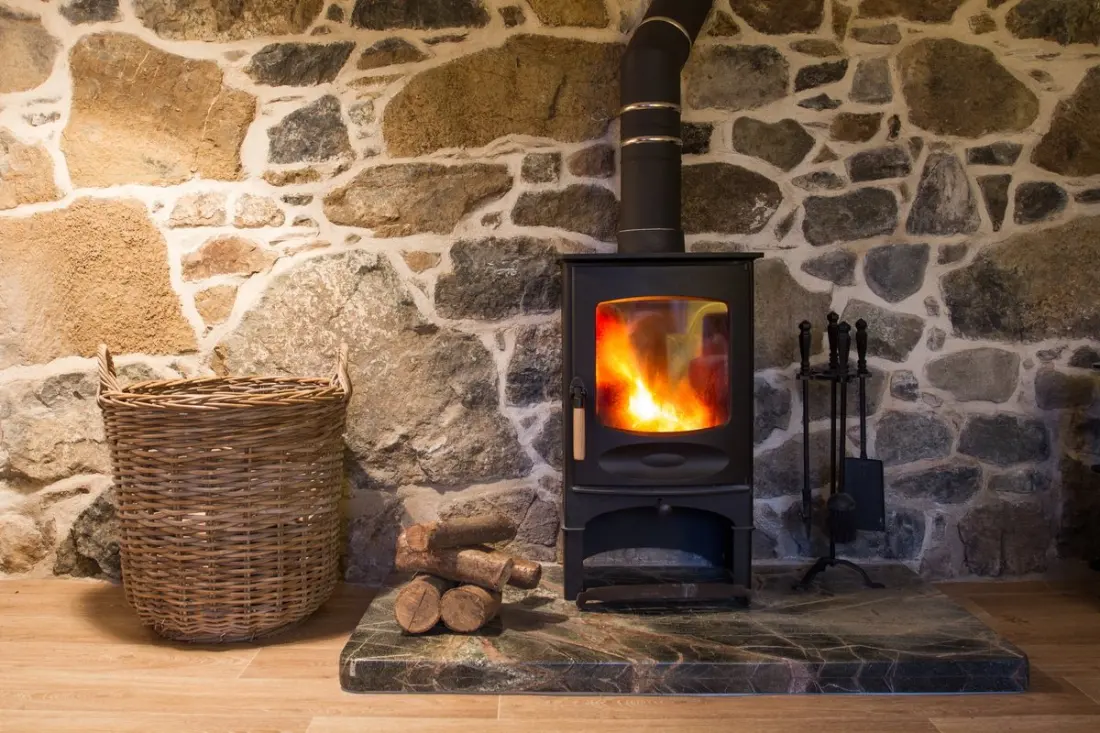
A step up is a wood-burning stove, which fits into a chimney space or a cleared corner of a main room. Sealed units burn far cleaner than open fires, and shutters let you control the burn rate and heat output. The top can double as a hob for a kettle or a Dutch oven. The trick in Mexico's climate is not overdoing it: light the stove in the late afternoon and the house is warm by nightfall without the unit roaring all evening.
Without a chimney, most people turn to electric space heaters or gas-fired units running on LPG tanks. Electricity in Mexico is billed per two-month period and tariffs jump sharply with high use, so heating a whole house electrically is prohibitive — but one or two heaters for an evening are affordable and very common. Fan models heat faster but are noisy; oil-filled or liquid-element radiators are quieter but slower. Gas heaters suit big, high-ceilinged rooms and terraces, though ventilation is essential indoors to manage condensation and air quality.
For bedrooms and sofas, electric blankets are the budget favourite: low running costs, adjustable temperature, timers on better models, and they pre-warm a bed before you get in.
Central heating is rare. Some modern condos in big cities have ducted heating and cooling covered by HOA fees, and European-style water radiators can be installed — but they're expensive to fit and run, and most residents don't bother.
Why does this matter to travellers? If you're booking a winter stay in San Miguel de Allende, Mexico City, the Copper Canyon or anywhere at altitude, don't assume your rental will feel like a heated European home. Ask what heating is provided, expect to add layers after sunset, and pack for two seasons in one day. It's a different way of living with cold — targeted, evening-only warmth — and it works.