A Costa Rica-based biologist has shared a gloriously unlucky cautionary tale: two scorpion stings in a single night, in two different beds. Vincent Losasso, founder of Guanacaste Wildlife Monitoring, is used to close encounters — he reckons he's been stung a handful of times over the years, including once while clearing leaves in front of a camera trap and once in a genuinely unspeakable spot that he refuses to discuss in polite company.
His latest incident began at 12:30am when a sting to the left forearm jolted him out of bed. After tearing through sheets, pillows and floorboards with his phone torch, he found no culprit. Unwilling to sleep in an unsearched bed, he decamped to his 11-year-old son's room — where he endured an hour of unconscious kicks and chops from what he calls a sleep-flopping ninja before finally dozing off.
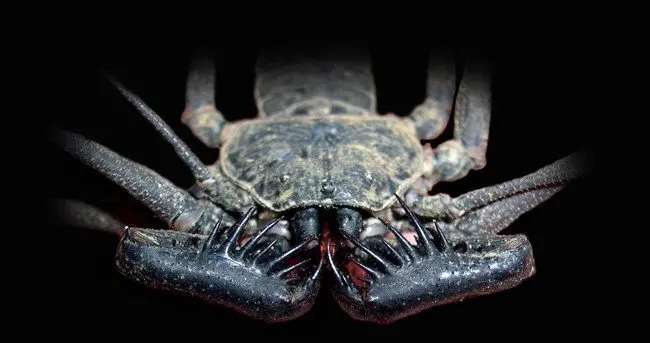
At 3:30am, sting number two: the back of the left knee. This time he found the offender — a big, dark scorpion in the sheets — flicked it across the room with his phone and dispatched it with a juice cup (his son never puts dishes in the sink, a detail that pays off). The mystery remains: one scorpion hitchhiking on him all night, two separate scorpions in two beds, or one vengeful individual that followed him across the house. He's rooting for option two, which makes him a heroic dad.
For travellers, the useful part is that stings like this, while painful, are rarely dangerous in Costa Rica. Locals describe the sensation as a wasp sting on hard mode: throbbing pain and tingling lips, unpleasant but typically not requiring hospital treatment for healthy adults. His Costa Rican wife's reaction — rolling over and going back to sleep — tells you how routine this is for people who've lived there a while.
Practical takeaways if you're renting a jungle villa or an Airbnb in Guanacaste: shake out bedding, shoes, clothing and towels before use, keep bedding off the floor, and check under pillows if you suspect an intruder. Scorpions hide in piles of dried leaves, palm fronds and dark crevices, so gloves and a torch are sensible when rummaging around outdoor areas at night. If you are stung and develop severe symptoms — difficulty breathing, widespread swelling, intense pain that doesn't ease — seek medical care; Costa Rica has good clinics even in rural areas.
Who should care? Anyone heading to Costa Rica's Pacific side, particularly rural Guanacaste, where wildlife sometimes comes to you. It's also just a good read: a reminder that nature-watching in the tropics occasionally works in reverse.