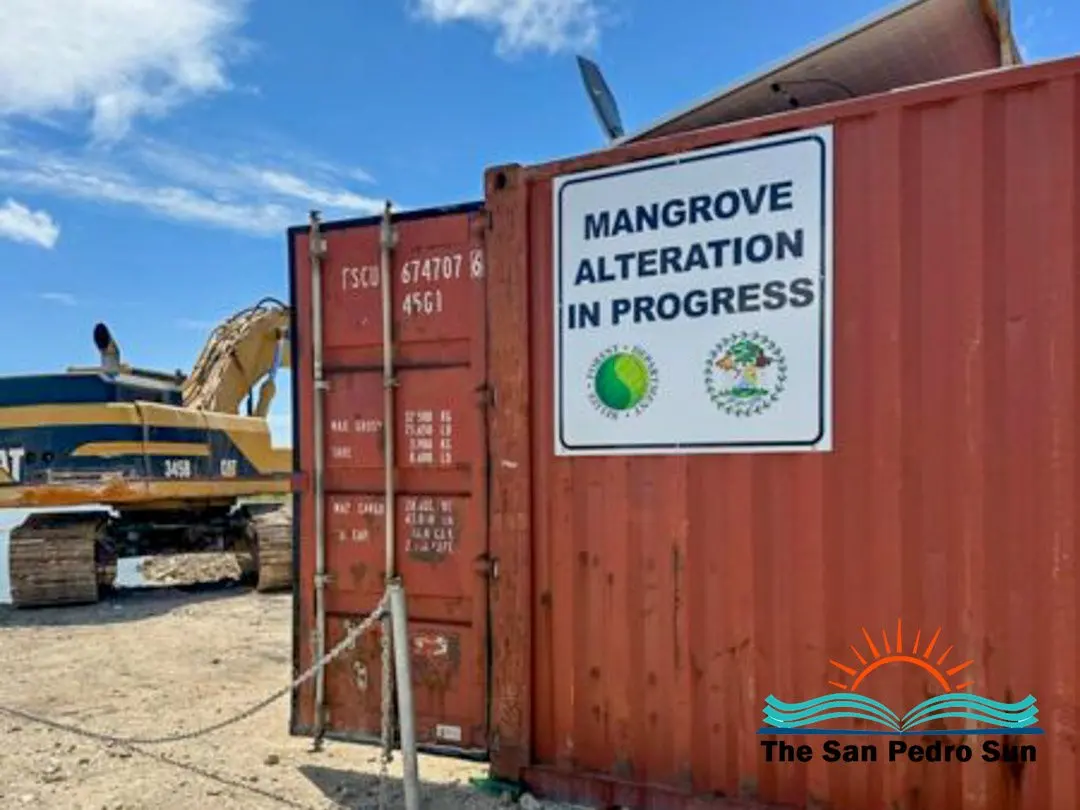
Belize's Forest Department has made an example of a mainland property owner, settling for $10,000 after he cleared red mangroves without a permit. The case, announced in early October, is a blunt warning to developers and landowners as construction accelerates on Ambergris Caye, one of the country's most popular tourist islands.
The man at the centre of it, businessman Sanju Lal Chulani, was found during a September 17 inspection to have altered mangroves across a small patch of land — less than a quarter of an acre — along the Philip Goldson Highway. The permit was never obtained. Two weeks later, on September 30, he agreed to pay the fine to close the matter.
Why does a single fine matter? Because Belize's mangroves do a lot of quiet work. They act as fish nurseries for the juvenile species that make the country's reefs and flats so popular with divers and anglers, buffer shorelines against erosion and hurricane damage, and store carbon. When lagoons get filled and mangrove stands get bulldozed, the damage ripples out to the very coastline visitors come for.
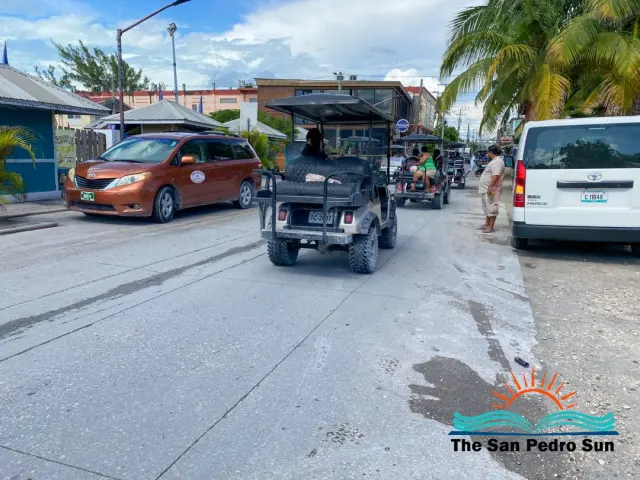
On Ambergris Caye, the pressure is visible. Large swaths have been cleared for development, particularly around Secret Beach on the island's northwestern shore, a spot that has boomed with beach bars and villa projects. Some clearing is authorised by the Forest Department, but officials confirmed they are monitoring ongoing reports of lagoon filling and mangrove alteration. When the department was asked how many projects actually held permits, no one was available to answer.
Chief Environmental Officer Anthony Mai explained how enforcement works: reports of suspected illegal clearing go to the Forest Department first, and the Department of the Environment steps in when it can't be reached, referring cases onward. The DOE's San Pedro office takes calls directly on 226-3073, and the Forest Department runs a hotline at 610-1524. Inspections are expected to continue countrywide.
For travellers, this is more than bureaucratic housekeeping. Ambergris Caye's appeal — the calm leeward waters, the fly-fishing for baby tarpon among the roots, the health of the barrier reef just offshore — depends on intact coastal habitat. A government willing to fine developers signals that the island's natural assets are being defended, even if enforcement remains a work in progress. If you're eyeing property or planning to build in Belize, the message is simple: get the mangrove permit first. And if you notice clearing that looks sketchy while on holiday, those hotlines are there for you too.