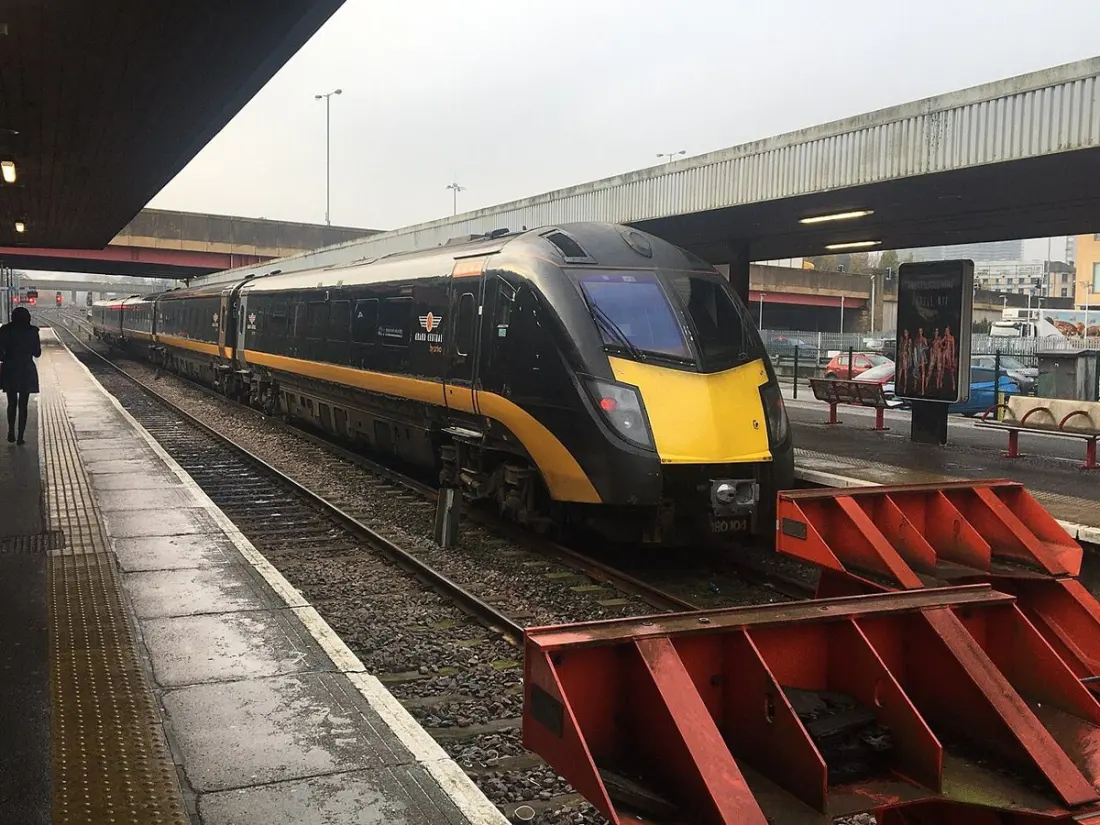
Bradford is finally getting a railway station built for how people actually travel. The UK government has confirmed a major new hub on the site of Bradford Interchange, delivered under the Northern Powerhouse Rail programme and slated for completion sometime in the 2030s.
The big change is structural. The current station is a terminus, so trains arriving from Leeds have to reverse out before continuing towards Manchester. The replacement will let services run straight through, which should mean faster and more frequent trains between West Yorkshire's biggest cities. Bradford will also become a stop on the new high-speed route between Birmingham and Manchester, with multiple trains an hour planned.
Local leaders are talking up the money as much as the trains. West Yorkshire Mayor Tracy Brabin estimates the project could add up to £1 billion to the local economy, on top of a city whose output is already valued at £10-12 billion. Bradford's year as UK City of Culture in 2025 generated more than £1 billion in economic impact, according to Visit Bradford, and the council expects better rail links to feed a growing tourism and cultural scene alongside its manufacturing and finance base.
The wider scheme is being rolled out in three stages under a £45 billion funding cap, a plan confirmed by then-Prime Minister Keir Starmer in January 2026, topped up with local contributions. The new station will sit under Great British Railways, the newly nationalised body now running most of Britain's rail infrastructure and passenger services for the first time since the nineties.
Why should a traveller care? Bradford has long been the awkward gap on the northern rail map — a city with the National Science and Media Museum, a UNESCO-listed Little Germany, and a serious curry reputation, yet painful to reach by train. Through-running to Leeds and Manchester changes day trips and multi-city northern itineraries. If you're planning a Yorkshire route in the 2030s, expect Bradford to slot far more easily into a Manchester-to-Leeds corridor trip — and possibly a high-speed hop from the Midlands too.
For now, the city remains well worth visiting by existing services, with its 2025 City of Culture legacy still fresh. The new station is a promise for the next decade; the museums, mills and food are already there.