Costa Rica's tsunami alert centre says it will stop monitoring the country's coasts around the clock from January 1, 2027, unless funding cut from public universities is restored. The warning comes from Sinamot, the National Tsunami Monitoring System, which has operated out of the National University (UNA) since 2014 and is the body that decides, within minutes of a big Pacific or Caribbean quake, whether waves threaten Costa Rican shores.
The problem is staff. Coordinator Silvia Chacón says a position financed every year since 2018 is missing from the 2027 budget, leaving a team of three or four with just two people — one on a three-quarters schedule, one on half time. At that level, several hours a day would go unwatched and real-time threat analysis would be suspended. UNA's rector, Jorge Herrera, ties the cut to the government's proposal to freeze the Special Fund for Higher Education and to further reductions made by the Legislative Assembly, which approved shifting ₡8,048 million (roughly $17.6 million) from the five public universities toward the teachers' pension fund.
Why does a small office matter so much? International warning centres like the Pacific Tsunami Warning Center issue broad alerts covering whole ocean basins. Someone local has to translate those into actual decisions for specific beaches. Sinamot has assessed more than 900 potentially tsunamigenic events in 12 years. Most were false alarms by design — only eight produced measurable tsunamis in Costa Rica, and three required preventive steps like halting water activities. In one case, when the PTWC warned that 1-3 metre waves could hit the coast, Sinamot ruled out an evacuation within 15 minutes. It has also mapped hazards for both coasts, done detailed studies for towns like Tamarindo, Sámara, Cahuita and Carrillo, and runs three to five evacuation drills a year.
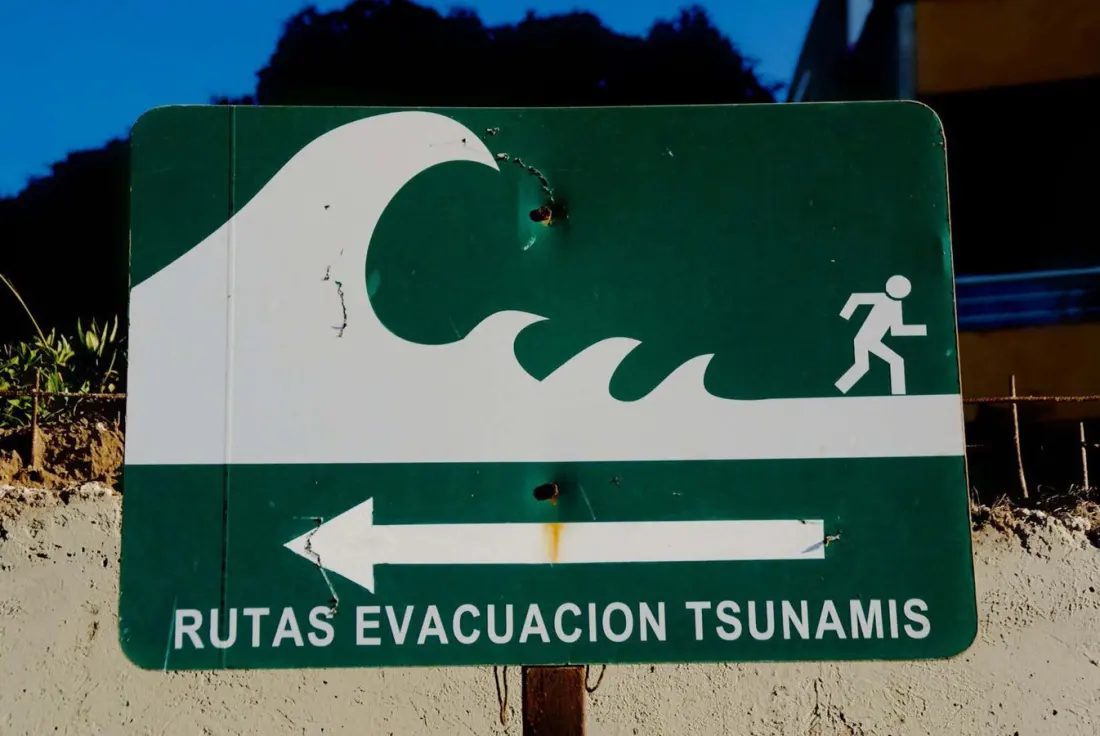
For travellers, this is the quiet machinery that keeps surf sessions and beach days safe in a country sitting on the Pacific Ring of Fire. If monitoring gaps appear from January, the practical risk is slower or missing local guidance after a major offshore quake — which is why Sinamot says a fix must be in place before the month starts. Anyone visiting Costa Rica's coasts should follow the story, and regardless of the outcome, know the basics yourself: if you feel strong shaking near the coast or see the sea recede, move inland and uphill without waiting for an alert.