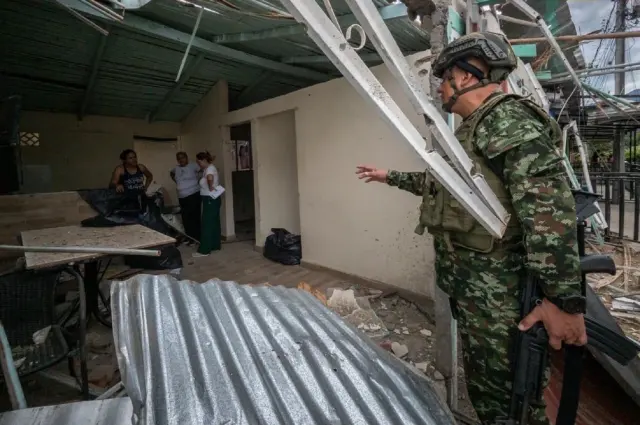
A car bomb detonated just after midnight on Sunday outside an army infantry battalion in Planadas, a municipality in Colombia's Tolima department, killing four people and injuring more than 15. Among the dead was a two-month-old baby, a detail that has generated national outrage and put fresh pressure on the government over its security strategy.
The explosive-laden dump truck went off near the General Domingo Caicedo Infantry Battalion, close to the local airport, and appeared aimed at soldiers stationed at the base. But civilians bore much of the cost: nearby homes were heavily damaged, and the blast struck the local hospital, destroying its pharmacy. Colombia's human rights ombudsman, the Defensoría del Pueblo, warned that the loss of the pharmacy has cut off essential medications and complicated treatment of the wounded. The departmental health authority has declared a hospital emergency to coordinate care, and troops have moved into the area to assist residents and investigate. No group has claimed responsibility.
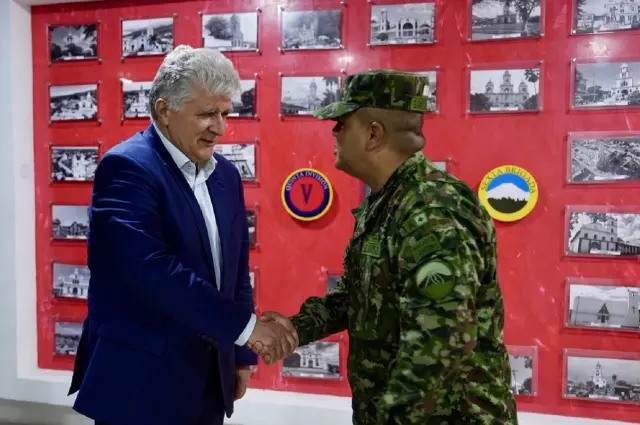
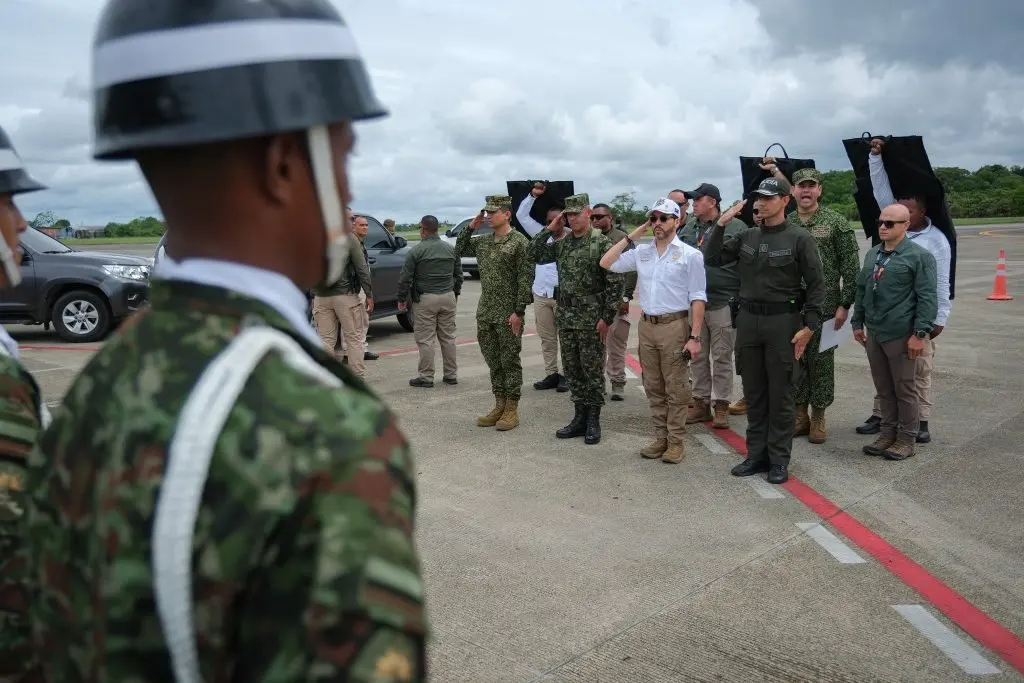
President Abelardo De La Espriella responded by ordering a reinforced military deployment in Planadas, announcing intensified operations and special security measures. He also reiterated plans to continue aerial spraying of coca crops, a long-controversial counter-narcotics tool. The Planadas order came shortly after he militarized Cúcuta, capital of Norte de Santander, following the assassination of a mayoral candidate there, and months after Santa Marta on the Caribbean coast was placed under military control in response to attacks on merchants and torched vehicles tied to drug-trafficking operations.
For travellers, the immediate takeaway is geographical. Planadas is a remote mountain municipality in south-central Tolima, far from the tourist corridors of Bogotá, Medellín, Cartagena and the coffee region's main towns. Most visitors will not come near it. But the wider pattern matters: armed-group violence is flaring in several parts of the country, including border city Cúcuta — a common overland crossing point to Venezuela — and parts of Cauca. Anyone planning overland routes, rural treks or travel near the Venezuelan border should check current advisories, follow local guidance and be ready to adjust itineraries. Colombia's headline destinations remain open and operating; this is a story about specific flashpoints, not a blanket shutdown. Still, with the president campaigning publicly on an iron-fist security agenda and militarization spreading city by city, expect a heavier uniformed presence and occasional movement restrictions in affected areas.
Watch how the situation in Tolima, Cúcuta and Cauca develops if you have trips planned to less-visited regions, and keep an eye on advisories from your foreign ministry before booking rural or border-adjacent routes.