Colombia packs Andes, Caribbean coast, Pacific rainforest and Amazon into one country, and its fruit bowls show it. A recent rundown of ten local fruits makes a strong case for treating market visits as a core part of any trip there — some of these you'll struggle to find anywhere else.
The classics first. Lulo, a tart orange fruit, is the backbone of Colombian juice culture, blended with water, milk or ice and also folded into champús and desserts. Soursop (guanabana) is the big spiky green one with creamy white pulp that lands in smoothies, ice cream and mousses. Both are easy to score in supermarkets and markets nationwide.
Head to the Caribbean coast and the lineup changes. Sapote costeño, sold in Cartagena, Barranquilla and Santa Marta, tastes something like pumpkin and caramel. Corozo, a small dark-purple fruit, makes tart juices and traditional fermented drinks. Cali has its own street snack: chontaduro, palm fruit sold cooked with salt, honey or lime, especially in Valle del Cauca.
For rarities, go regional. Cholupa, a tart passion-fruit cousin, is tied to Huila. Borojo, with dense dark pulp blended into thick smoothies, comes from the Pacific lowlands and Chocó — in Bogotá or Medellín you'll mostly find it as pulp. The Amazon yields cupuaçu, a cacao relative that tastes like chocolate crossed with pineapple, plus the obscure maraco and almirajo, which rarely reach big supermarkets and are best hunted down in local markets or specialty shops selling frozen pulp.
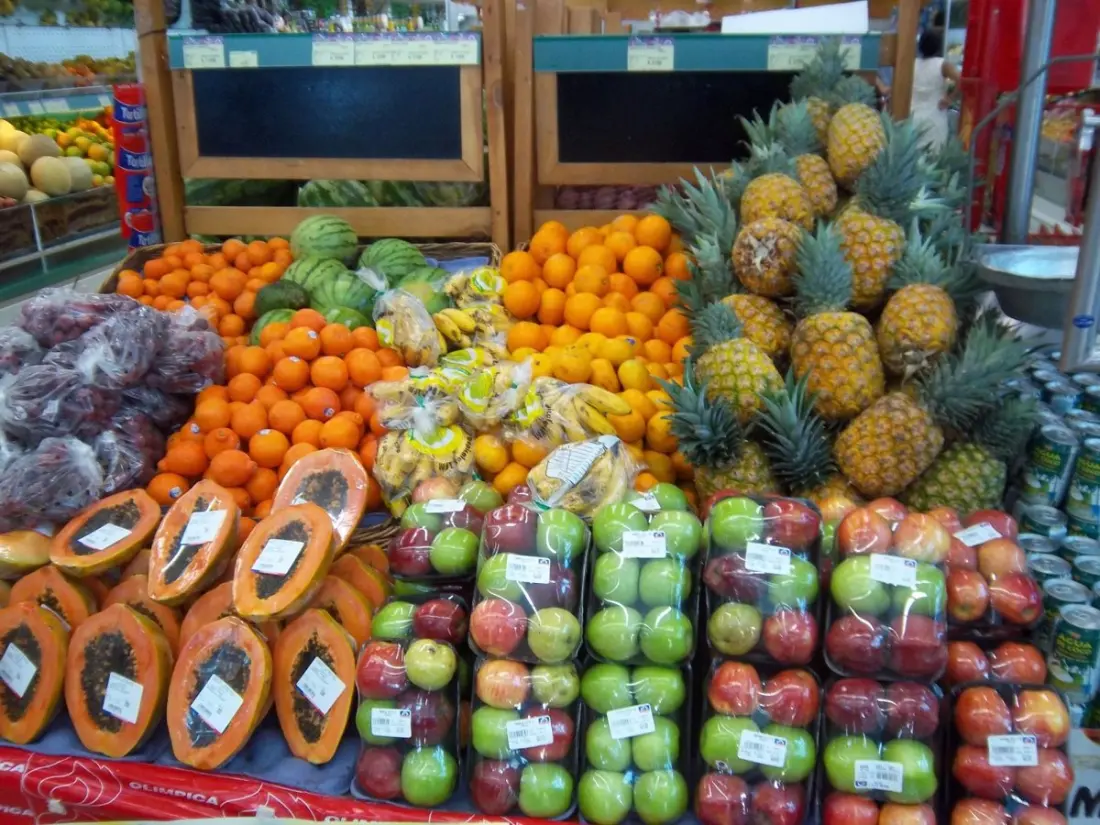
The practical part: Colombia has no four seasons, so what's ripe depends on altitude and regional rainfall. A fruit might be everywhere in one department and absent in another. Your best bet is the big markets — Paloquemao in Bogotá and Plaza Minorista in Medellín pull produce from across the country, while Cartagena's traditional stalls are the place for Caribbean fruits. If something's out of season, frozen pulp is a completely normal fallback and still tastes great in a juice.
Who is this for? Basically anyone visiting Colombia beyond a hotel breakfast buffer. The variety is staggering, it's cheap, and juice stands will blend almost anything on request — pointing at a fruit you've never heard of is half the fun. Market crawling also doubles as a route through regional identity: the Caribbean coast, the Pacific, the Amazon and the Andes each have their own flavours.