A Colombian artist is quietly building a name for himself in London — and his work doubles as a window into two very different cities. Santiago Giraldo Arboleda, born in Medellin in 1991, is a filmmaker, creative director, and musician whose projects circle around memory, migration, and identity. For travellers curious about Colombia beyond the usual headlines — and about the city's thriving arts scene — his story is a useful starting point.
Giraldo's breakthrough came with La Mirada Desnuda (2020), a documentary short that premiered at the Cartagena de Indias International Film Festival and won Best Documentary Short at the Festival de Cine de Jardin. It revisits Medellin's violent 1990s through the memories of fellow filmmaker Javier Mejia, whose film Apocalipsur captured that era. The subject is deeply personal for Giraldo: he lost two uncles to the violence, and making the film meant asking his father about a past his family rarely discussed.
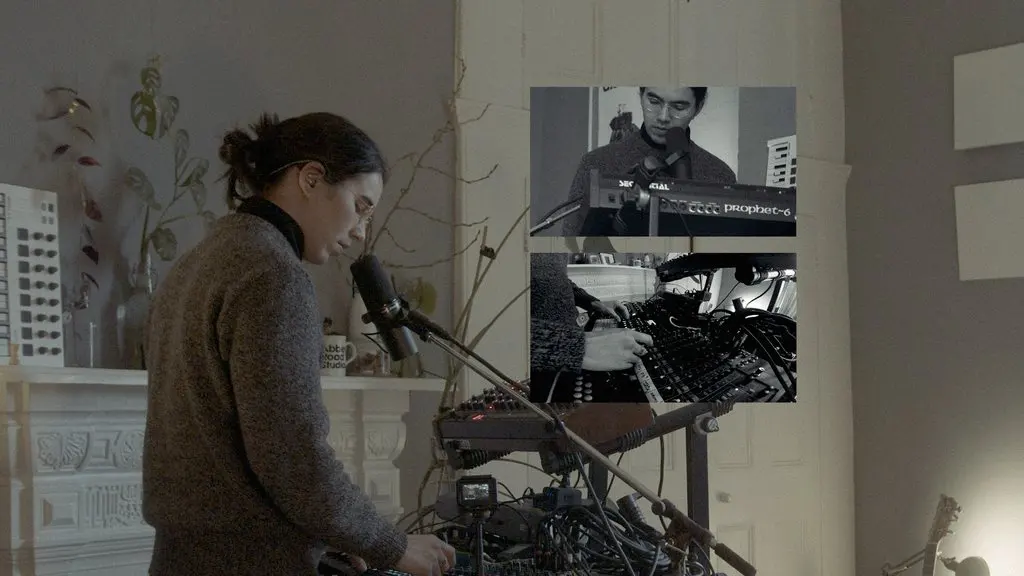
Since moving to London five years ago to study audio production at the University of Westminster, he has become creative director at Eagle London, directed three NHS television commercials, and released fiction shorts including Zoe (2024) — a sci-fi-tinged tale about AI-regulated social networks — and Blue Buttercream (2026), about a young woman living with chronic pain. On the music side, he spent about two years playing with Colombian rock band Ekhymosis after Juanes's departure, before launching his solo project Enla Arboleda. His EP Other Ways to Find Yourself (2024) blends alternative pop, jazz, and electronics to reflect on building a new life abroad, and a 12-track album about migration is in the works. He has performed at The Troubadour, SXSW London in June 2026, and the South Bank.
Why should a traveller care? Because Giraldo represents the Medellin many visitors now discover: a city whose creative energy grew out of a difficult decade, and whose artists are now exporting that story. His roots run deep — guitar and painting lessons at seven, traditional rhythms like bambuco and cumbia at Medellin's Escuela Popular de Arte, then graphic design and documentary filmmaking at Universidad Pontificia Bolivariana. He also pushes back on stale stereotypes: in his words, Colombian artists can work across any discipline, and the country's stories are more varied than outsiders assume.
If his work inspires a trip, Medellin rewards the curious. Catch live music in El Poblado or Laureles, explore the graffiti-lined Comuna 13, and check the calendars for film festivals in Medellin and Cartagena — the circuit where his own career took off. His story is proof that a city once defined by its 1990s is now defined, at least in part, by what it creates.