Ten years after Colombia and the FARC signed the deal that ended Latin America's longest-running insurgency, the country's new government is about to grade its own homework in public. On October 12, the administration of President Abelardo de la Espriella will present a formal review of the 2016 Final Peace Agreement before the UN Security Council — the first time Colombia has submitted its own assessment of how the deal has actually worked.
The timing is pointed. Colombia sits on the Security Council as a nonpermanent member until December 2027, and the UN Verification Mission that has monitored the peace process since 2017 has a mandate expiring at the end of this month. What Bogotá says in New York will help decide that mission's future.
The numbers in the government's own monitoring records tell a mixed story. As of July 2026, overall progress on the Implementation Framework Plan's key targets stands at 26.86%, though the PDET rural development programmes — covering 170 conflict-affected municipalities — are at 68.62%. Land reform lags badly: more than 348,000 hectares have been awarded to farmers and 2.2 million formalised, well short of targets of three million and seven million respectively. Reintegration of former fighters has moved forward, with thousands in cooperatives and productive projects, but 525 ex-combatants have been killed since the signing.
Security is where the government is focusing its case. De la Espriella ended his predecessor Petro's "total peace" policy, scrapped stalled dialogue processes with armed groups since September, and has prioritised military operations to retake territory. His administration argues that a decade of implementation has not delivered stable peace in the worst-affected regions — a point the UN partly agrees with, noting that violence persists exactly where state presence and implementation have been thinnest.
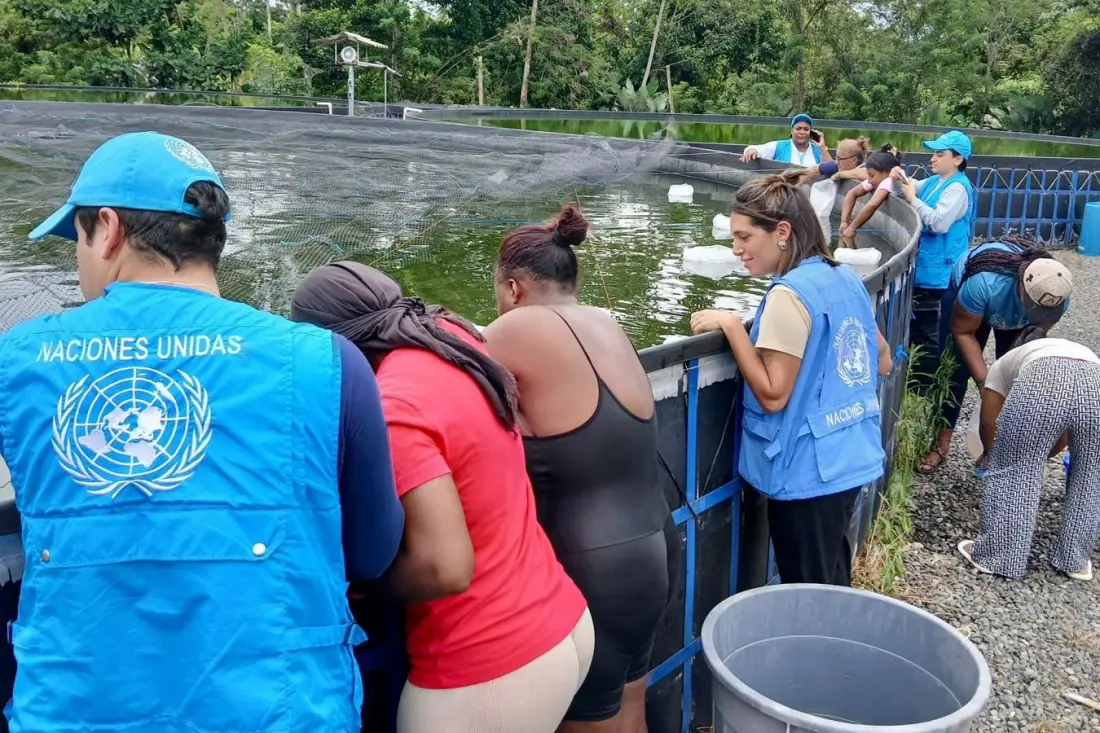
There's also a budget fight underneath it all. The proposed 2027 budget shifts money toward security and cuts bodies tied to the agreement: the unit searching for the disappeared is roughly US$15 million short of what it asked for, and the Special Jurisdiction for Peace (JEP) faces a shortfall of about US$87.8 million. The Search Unit warns the cuts could close at least half of its six forensic identification centres. The UN, for its part, continues to defend full implementation and points to verifiable gains in reintegration and rural reform — 19 of 22 former reintegration areas have formalised ownership of their land.
Why should travellers care? Colombia's post-conflict regions are where much of the country's newest tourism is happening — formerly off-limits towns, river routes and rural areas now open to visitors. How this review lands will shape security policy, state presence and funding in those exact regions. Peace agreements that stall usually mean more extortion, displacement and violence in rural areas, which affects everything from road travel to which destinations are realistic. If you're planning trips beyond Bogotá, Medellín and Cartagena — into places like the PDET municipalities or former conflict zones — this debate is worth watching over the coming year.