Before Antonio Cervantes — better known as Kid Pambele — became Colombia's first world boxing champion, he was a barefoot kid from San Basilio de Palenque, a small village about an hour from Cartagena. Born in November 1945 into poverty, he trained in nearby Cartagena and won the national lightweight title in 1965. Seven years later he beat WBA light welterweight champion Alfonso 'Peppermint' Frazer, becoming the first Colombian, and first Afro-Colombian, ever to hold a world boxing crown.
He defended the belt against elite opponents with a style built on speed, stamina and technical precision, finishing his career in 1983 with 67 wins (37 by knockout) against 12 losses across 80 fights. At a time when Colombia was struggling through social and economic turmoil, his victories gave the country something to rally around. He remains a national icon — celebrated in songs, books and a telenovela based on Alberto Salcedo Ramos' book Gold and Darkness.
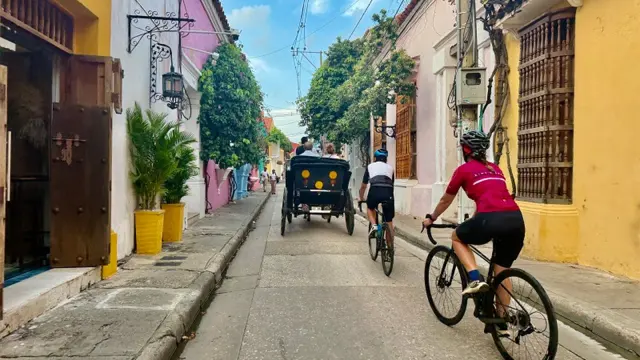
For travellers, the story is a reason to look beyond Cartagena's walled city. San Basilio de Palenque, his birthplace, is one of the most historically significant villages in the Americas: founded by escaped enslaved Africans, it was the first free town on the continent and is recognised by UNESCO as Intangible Cultural Heritage. Visitors can take a day trip from Cartagena, walk the streets with a local guide, hear the palenquero creole language spoken (the only Spanish-based creole in Latin America) and see how music, oral tradition and boxing heroism are woven into daily life here.
It's a genuinely rewarding detour: community-run tours put money directly into the village, and guides often have personal connections to the stories they tell — including Pambele's, whose rise from Palenque to world champion is a source of enormous local pride. Combine it with Cartagena's old town, the Rosario Islands, or a trip further along the Caribbean coast.
Why it matters: if you're the kind of traveller who wants more than beaches and cocktail bars, Palenque offers real cultural depth within easy reach of a major tourist hub — and a story that shaped modern Colombia.