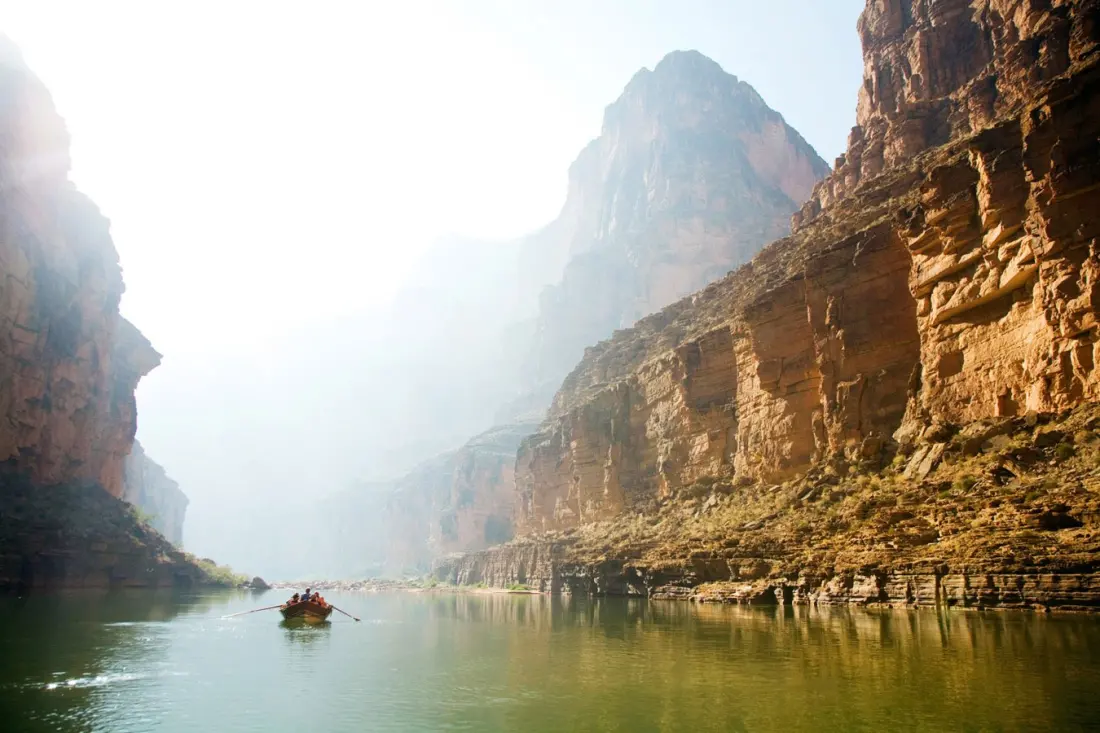
The Colorado River just got a lifeline. After months of tense negotiations, the US federal government has brokered an agreement to cut water use across the river's Lower Basin — Arizona, California and Nevada — in a bid to stop the nearly 1,500-mile waterway from shrinking further. The deal is propped up by $1.2 billion in federal payments and a helping hand from nature: California's record-breaking snowpack this winter will ease the pain of cuts in the short term. Everything expires at the end of 2026, which means the real reckoning is still to come.
Why does this matter? Around 40 million people in the US, plus parts of Mexico, drink from the Colorado. It irrigates 5.5 million acres of farmland and powers some of the country's biggest reservoirs — Lake Powell and Lake Mead — which generate electricity for the region. Years of drought and overuse had pushed both reservoirs toward dangerously low levels, raising fears the river could effectively stop reaching them. The new cuts amount to roughly 13 percent of water use across the Basin, described as one of the most aggressive conservation efforts in the river's history.
Interior Secretary Deb Haaland framed the deal as proof that seven states, 30 Tribal Nations and countless communities that depend on the river can find common ground on climate-driven water shortages. How each state actually delivers its share of the cuts will be worked out by the Interior Department in the coming months.
For travellers, this is the backdrop to some of the American Southwest's most iconic trips. Lake Mead anchors Hoover Dam and the Lake Mead National Recreation Area near Las Vegas, while Lake Powell sits beside Page, Arizona, close to Antelope Canyon and Horseshoe Bend. Rafting trips through the Grand Canyon run on Colorado River water, and houseboat holidays at both lakes have had to adapt to receding shorelines and boat ramp closures in recent years. A wet winter has already refilled some access points, but water levels remain well below historical norms — so check current conditions before booking a lake-based trip. The broader message: the Southwest's desert landscapes are spectacular precisely because water is scarce here, and that scarcity now shapes how you'll experience them through at least 2026.