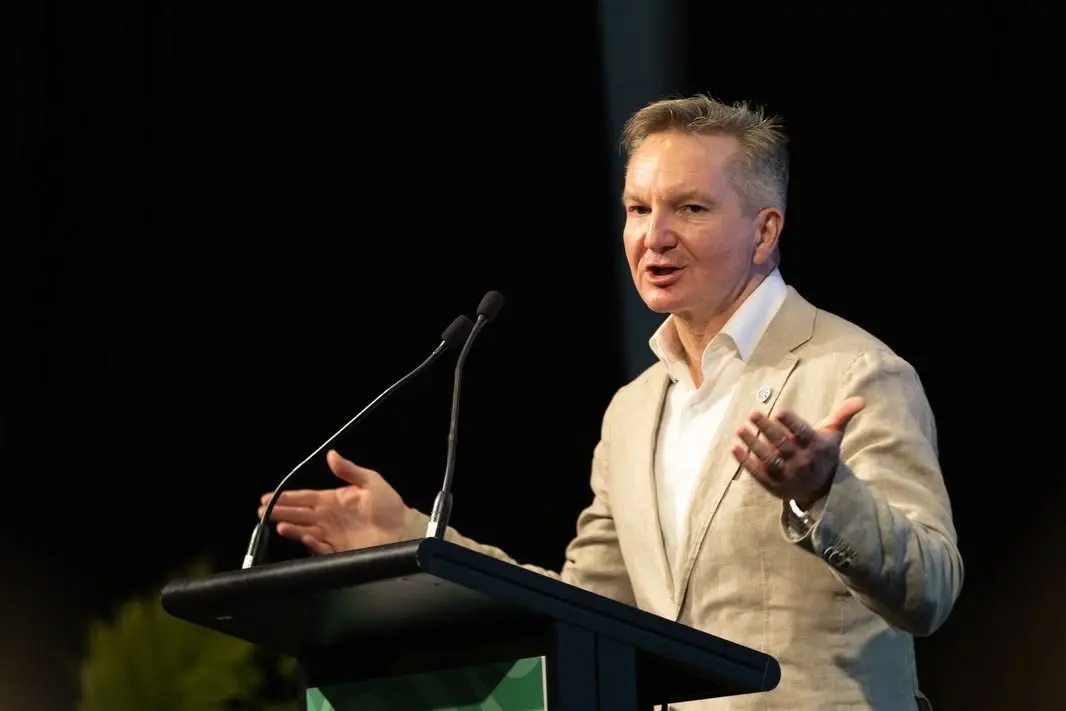
Australia's Climate Change and Energy Minister Chris Bowen has set the tone ahead of COP31, promising that Pacific priorities will sit at the centre of the talks rather than on the margins. Opening a regional knowledge exchange, he framed the summit as one about "implementation and acceleration" — matching ambitions with actual delivery, not just fresh targets.
His argument is pointed: the Pacific has contributed almost nothing to global emissions yet faces the most severe consequences, from rising seas threatening low-lying atolls to intensifying storms. Bowen admitted that Pacific voices haven't been heard strongly enough in past COP processes, and said COP31 should change that — lifting up the experiences of vulnerable island states across the Pacific, the Caribbean and the Indian Ocean.
Three themes got specific attention. Climate finance: countries that most need adaptation money often find it hardest to access, something Bowen wants fixed. Oceans: chronically underplayed in negotiations despite being existential for island nations. And delivery: he pressed countries to honour existing renewable energy and efficiency pledges and to push electrification alongside clean power generation.
There's a symbolic moment coming too. A visit to Tuvalu is expected to draw 34 leaders and influential figures, including presidents of multilateral development banks — a deliberate move to raise the profile of Pacific issues on the world stage. Bowen leaned into the regional framing, calling Australia "a proud member of the Pacific" and stressing shared ocean and shared future. He was realistic about the odds: getting more than 190 parties to agree on anything is hard, especially in a strained geopolitical climate, which is exactly why he thinks multilateral cooperation matters now more than ever.
For travellers, the stakes are tangible. The same islands fronting these negotiations — Tuvalu, Fiji, Vanuatu, Kiribati, Samoa — are among the world's most extraordinary and most fragile destinations. Tourism dollars genuinely matter to their economies, and several nations are actively developing low-impact visitor models as part of their climate resilience strategies. If COP31 succeeds in directing more adaptation finance and ocean protection to the region, it should help safeguard the reefs, coastlines and communities that make a Pacific trip what it is. Travellers planning a visit in the coming years can expect sustainability to shape the experience more and more, from reef-safe practices to community-led tours. Bowen's closing line captured the mood: everyone succeeds when the Pacific is "safe, resilient, and prosperous."
Story via Islands Business.