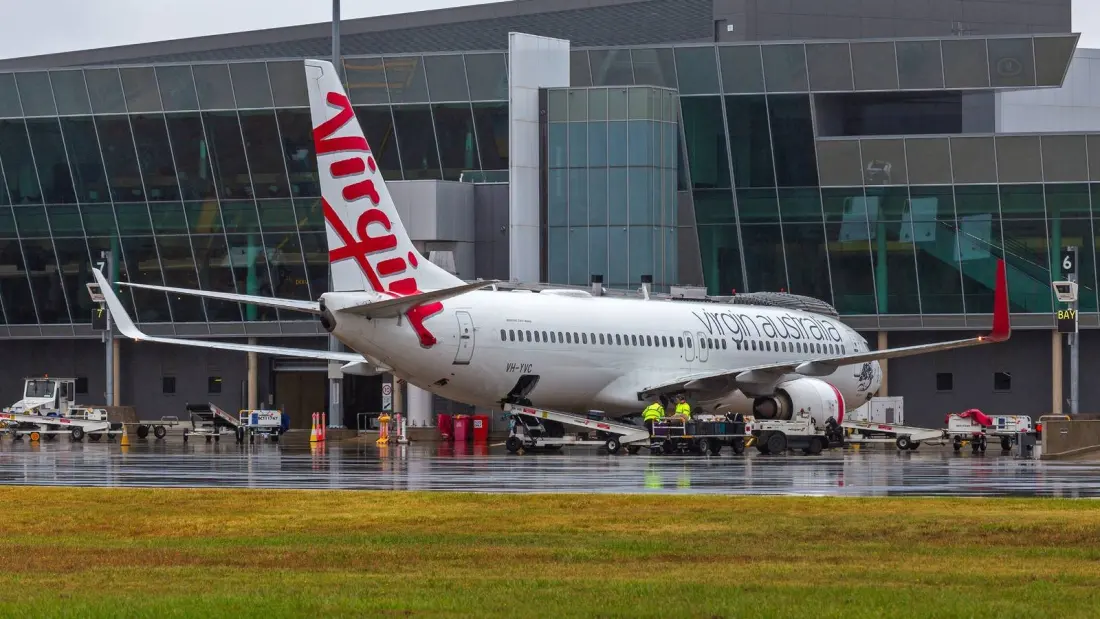
A routine domestic hop turned into a talking point for Australian aviation when both pilots on a Virgin Australia flight told the airline they were too tired to fly on. The crew operating flight VA219, a Boeing 737-800 on the Melbourne-to-Adelaide route, reported fatigue mid-flight and asked to be stood down once the aircraft landed. The plane touched down safely at Adelaide Airport at 11:05 local time, and both pilots were immediately removed from any further duties that day.
Nothing went wrong in the air. The flight had left Melbourne about an hour earlier, after the same aircraft had already flown a Sydney-Melbourne sector that morning. The point of the story is what happened on the ground: the pilots self-reported under the airline's fatigue risk management procedures, and Virgin Australia followed through by taking them off the roster until they were fit again. Declaring yourself unfit to fly is not a disciplinary matter — it's a core safety mechanism, and the system worked as designed.
Fatigue is a live issue at the airline. In May 2024, senior Virgin Australia pilots complained about rostering that packed in consecutive 11-12 hour duty days followed by only the minimum 12-hour rest period, and questioned whether the scheduling software coped with delays. The airline countered that its system is approved by the Civil Aviation Safety Authority and that pilots get 156 rostered days off a year. And it's not just pilots: in October 2026 the Australian Transport Safety Bureau investigated a Sydney Airport taxiway incident involving a Virgin Australia plane and a Qantas flight, noting that the controller on duty had been rostered to finish at 8:50 PM and start again at 5:30 AM — a pattern flagged as high predicted fatigue risk.
Why should passengers care? Because the alternative to what happened here is worse. Fatigue erodes concentration, reaction time and decision-making — the exact skills needed when monitoring systems, talking to air traffic control and reacting to weather. The US FAA's guidance is blunt: coffee, willpower and motivation don't fix tiredness, only sleep does. An airline that swaps tired pilots for fresh ones might face delays on later services, but that's a far better outcome than the safety risk of pressing on. For anyone flying domestically in Australia, this is a reassuring example of a self-reporting culture actually functioning — and a reminder that occasional schedule disruption can be the visible cost of keeping flights safe.