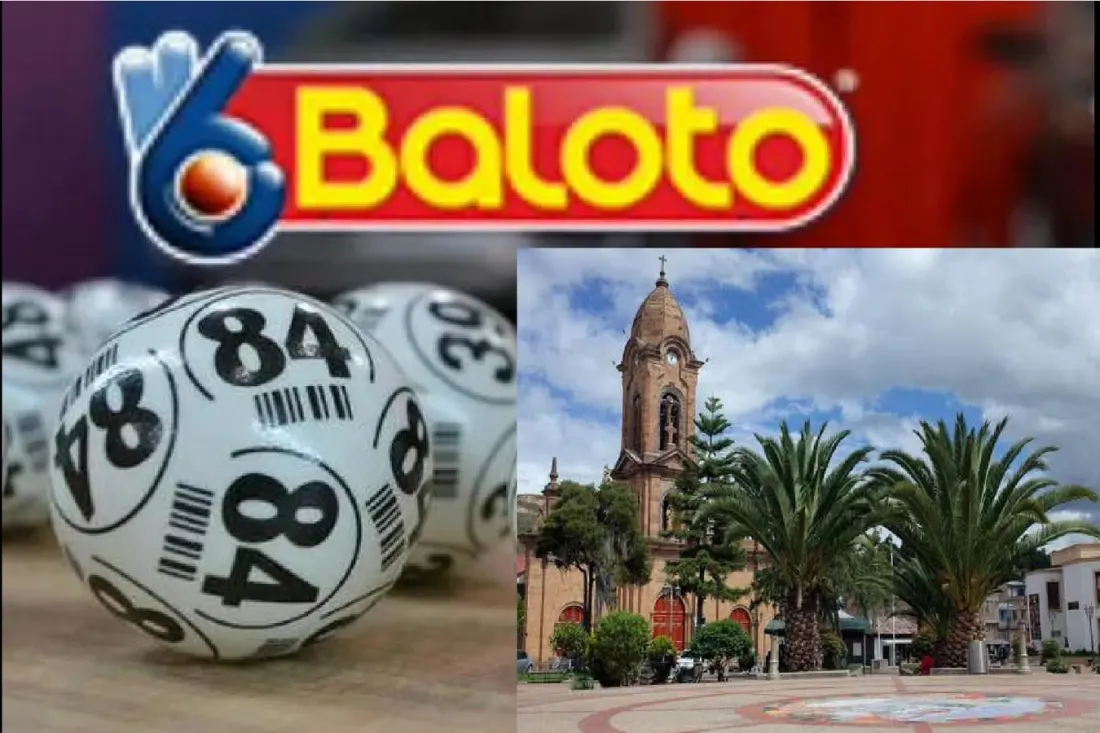
One lottery ticket sold in Nobsa, a small town in Colombia's Boyacá department, just won COP 61.6 billion — roughly US$15 million — in the October 3 Baloto draw. It's the game's biggest jackpot since 2017 and the fourth-largest in Baloto's history, and it happened not in Bogotá or Medellín but in a municipality of a few thousand people better known for its ruana weaving than for minting multimillionaires.
The winning ticket matched all five main numbers — 03, 10, 14, 26 and 31 — plus the Super Balota of 10, ending months of rollovers and delivering Baloto's first top-prize win of 2026. It was bought manually at a point of sale run by JER, one of the lottery's commercial partners. Draw number 2717 was a good night all round: 40,239 winners across the prize tiers shared around COP 61.97 billion in total.
The winner is staying anonymous for now. They have 365 days from the draw date to claim through Fiduciaria de Occidente, which verifies identities and handles the payout — and Colombian law takes a 20% tax bite, so the final sum will be noticeably smaller than the headline figure. The ticket itself needs to be kept safe, which is a nervous few months for whoever is holding it.
For Boyacá, it's a first: the department hadn't produced a Baloto jackpot since the current concession began in May 2022. In Nobsa, the shop that sold the ticket is likely to become a minor pilgrimage site for hopeful players.
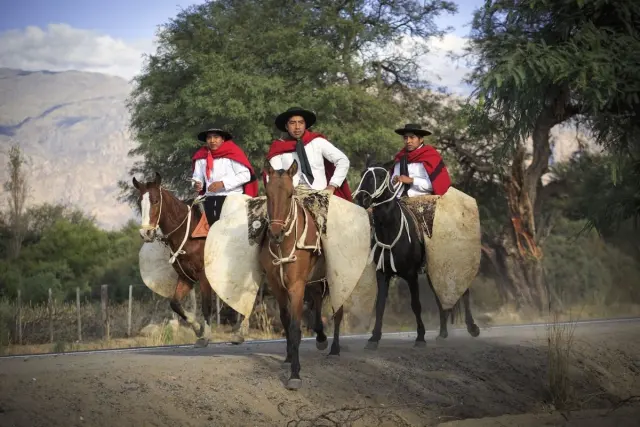
Why should travellers care? Because Nobsa is worth knowing about on its own merits. Sitting in the Sugamuxi region near Sogamoso, it's one of Boyacá's craft centres, famous for handwoven wool ruanas, blankets and ponchos made on traditional looms. The surrounding highlands — Lago de Tota is a short drive away — are among Colombia's most scenic and least-visited, with colonial towns like Monguí and the sacred site of Sogamoso rounding out a slow-travel circuit far from the Caribbean coast backpacker trail. A lottery story might be what puts Nobsa on the map, but the weaving traditions are the real reason to go.