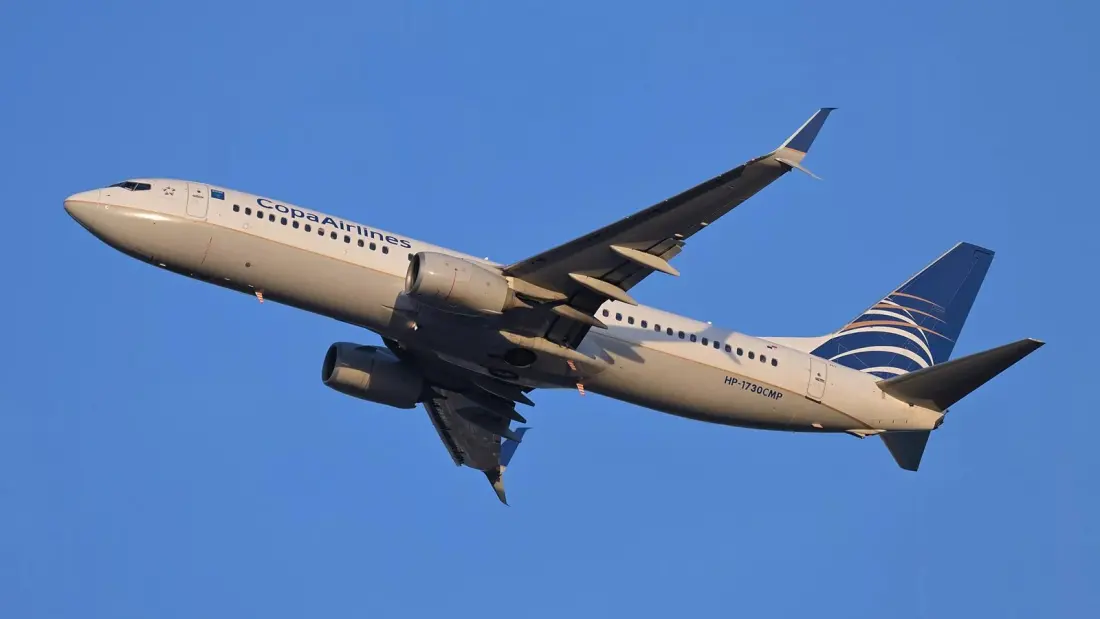
A Copa Airlines flight from Panama City had already landed and was taxiing to its gate at Miami International Airport when its wingtip hit the nose of a UPS Boeing 767 at around 9.15pm on Friday-turned-Saturday night, 14 November. Two passengers were treated for minor injuries at the scene and did not need hospital treatment.
The Copa Boeing 737 was carrying 166 passengers and six crew. The UPS freighter was on its way out for a cargo run to Bogotá when the two aircraft met at a taxiway intersection. According to the FAA, controllers had told the UPS crew to give way to the arriving Copa jet before contact happened. Passenger Cesar Ferreira described hearing shouts in the cabin just before the hit, then a sideways jolt, with crew quickly ordering everyone to stay seated. All passengers later got off safely at the terminal.
The NTSB, which opened an investigation along with the FAA, said in its first assessment on the Sunday that the UPS plane had suffered substantial damage. Damage to the Copa aircraft was still being assessed, and Copa said it would cooperate fully with investigators.
For anyone flying through Miami that night, the practical news was that the airport kept functioning. Officials routed traffic onto other taxiways and normal operations continued while the two damaged planes were dealt with.
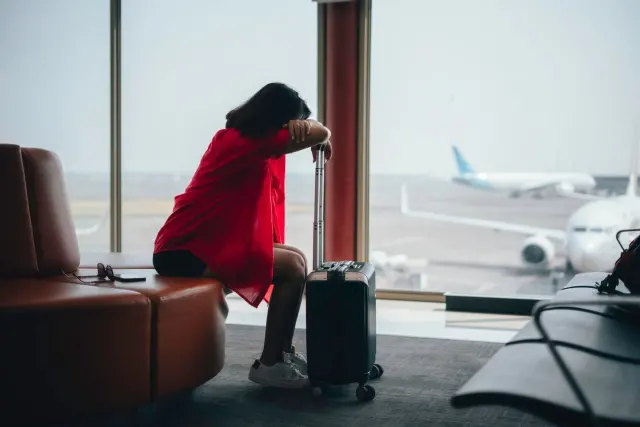
The collision landed at the end of an already rough weekend for US flyers. On Friday 13 November, a communications failure hit several air traffic control centres, prompting the FAA to pause departures nationwide for roughly four hours. The ripple effects — delays and cancellations — carried into the weekend, and some stranded passengers ended up sleeping on terminal floors waiting for rebooking.
Why should holidaymakers care? Two reasons. First, ground collisions at major hub airports are rare but real, and this one shows how quickly a routine arrival can turn into an injury report and a federal investigation. Second, the timing underlines how fragile the US air traffic system can be: a single communications glitch can freeze departures nationwide, and anyone connecting through a busy US hub — Miami included — should build buffer time into tight itineraries and know their rebooking rights before disruption strikes. If you're transiting Miami on a multi-leg trip, keeping essentials in your hand luggage and monitoring your airline's app is cheap insurance.