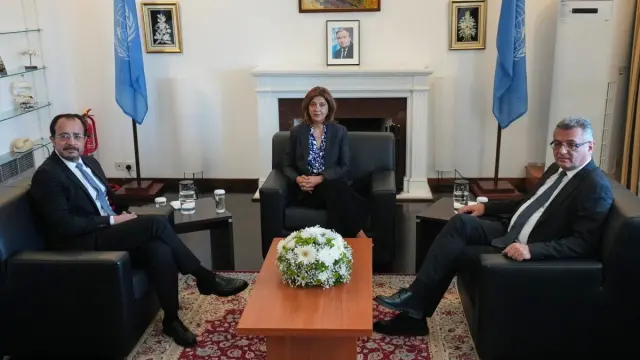
Talks over the future of Cyprus moved a notch this week, with knock-on effects for anyone hoping to criss-cross the island on holiday. On 9 November, Turkish Republic of Northern Cyprus President Tufan Erhürman, the Greek Cypriot leader and the UN secretary-general's personal envoy sat down together in a trilateral meeting, the latest in a series of discussions aimed at building trust between the island's two sides.
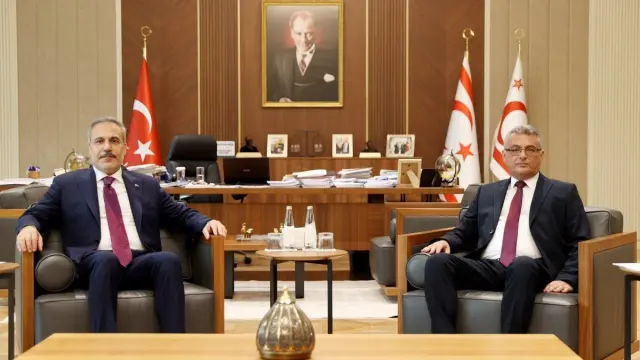
Türkiye's Foreign Ministry spokesperson Öncü Keçeli welcomed the talks the following day, singling out progress on confidence-building measures as the most encouraging element. But his statement carried a pointed edge: Ankara urged the Greek Cypriot side to drop what it called an uncompromising stance, arguing that real headway at the next leaders' meeting with the UN secretary-general depends on a shift in approach.
The detail most relevant to travellers is crossing points. Opening new crossings between the south and the Turkish Cypriot north has been on the agenda for roughly a year and a half, and Keçeli described only limited progress so far. The talks form part of a cooperation process proposed by the UN secretary-general, with the two sides framing cooperation, rather than a full settlement, as the near-term goal.
Why does this matter for visitors? The Green Line that divides Nicosia and the rest of the island is one of the world's last divided capitals, and the crossings that do exist — Ledra Street in central Nicosia being the most convenient for tourists — are what make a two-sided Cyprus trip possible. You can stroll from the Greek Cypriot south into the north in minutes, have lunch in the old town's northern half, and walk back. More crossing points would spread tourists beyond the capital, opening up routes along the northern coast and making day trips to places like Kyrenia or Famagusta easier for travellers based in the south.
That said, this is diplomacy, not a done deal. Turkey's statement is as much a public nudge as a progress report, and decades of on-off negotiations mean travellers should treat any news of new crossings as promising rather than promised. The practical takeaway for now: plan your Cyprus trip around the existing crossings, which operate on regular daily hours and require a passport or ID card depending on your nationality. Car hire is the usual catch — rental cars from the south generally cannot cross without special insurance arranged at the border, so many visitors simply walk across and use taxis or local transport on the other side.
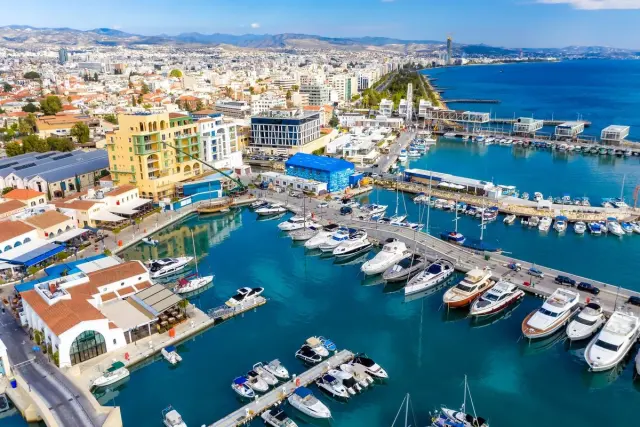
Cyprus rewards the effort regardless. Roman ruins at Salamis, Venetian walls in Nicosia, beach towns on both coastlines and a food scene that blends Greek, Turkish and Levantine influences all sit within a couple of hours' drive of each other. If the talks eventually deliver more crossings, the island's two halves become an even easier single-holiday combo. Until then, watch this space — the leaders are expected to meet again with the UN in the coming months, and crossing points remain front and centre of the agenda.
Story first reported by Daily Sabah Travel.