Colombia doesn't have one national cuisine so much as several, and any decent trip should be planned around eating your way through at least two or three of them. A new regional guide from Colombia One maps the country's food by geography, and the takeaway for travellers is simple: what lands on your plate in Cartagena will look nothing like lunch in Bogotá or Medellín.
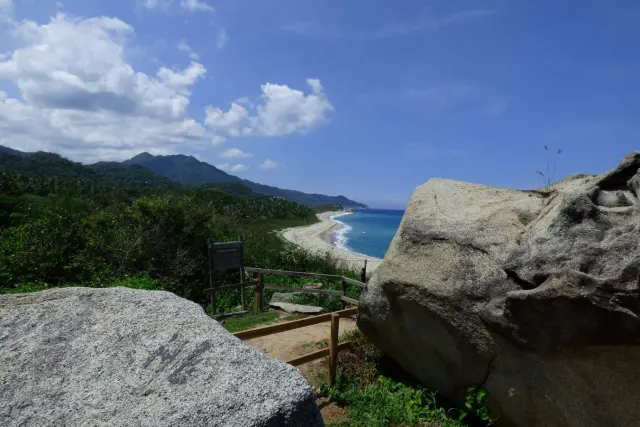
Start on the Caribbean Coast, where Indigenous, African and European influences meet coconut, plantain and corn. The arepa de huevo is the region's street-food icon — a cornmeal disc fried, split open, filled with a whole egg (sometimes plus ground meat) and fried again until crisp. It's a breakfast or mid-morning snack you'll find at stalls across Atlántico and Bolívar, especially around Barranquilla and Cartagena. At lunchtime, order whole fried fish with coconut rice and patacones, the classic beach-town plate, often served with suero costeño, a tangy fermented cream. In Santa Marta and the wider Magdalena department, try cayeye: mashed green banana with butter, salty queso costeño and sometimes hogao tomato-onion sauce. Weekend family lunches often mean fish sancocho, a big soup of fish, cassava, yam, plantain and corn.
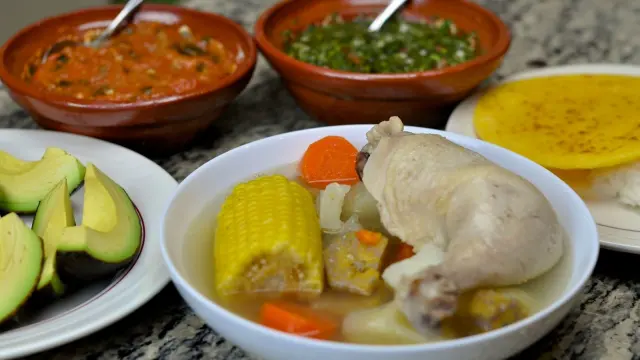
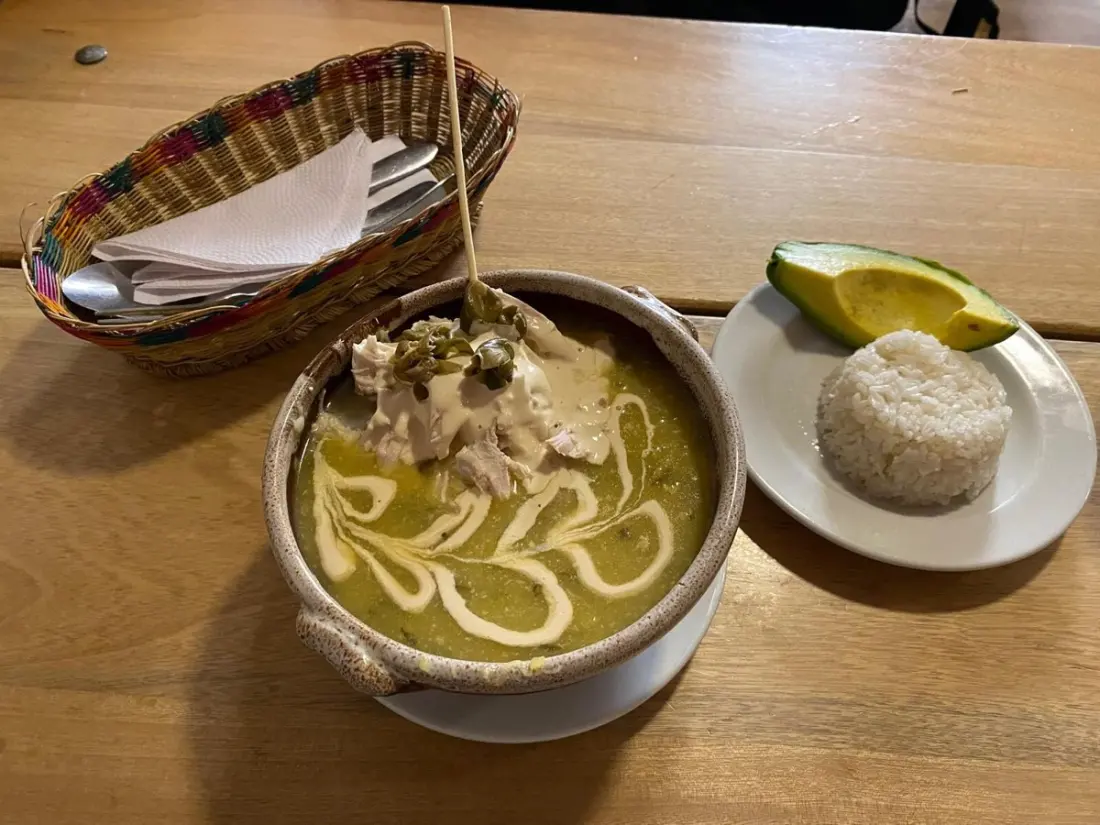
Head into the Andes and the food turns hearty. Bogotá's signature dish is ajiaco santafereño, a chicken-and-potato soup that owes its character to three potato varieties — criolla, pastusa and sabanera — plus guascas, an aromatic local herb. It's served with cream, capers and avocado you mix in yourself, and it's peak comfort food on the capital's chilly, rainy afternoons. In Antioquia, the bandeja paisa is Colombia's most famous export: beans, rice, ground beef, chicharrón, chorizo, fried egg, plantain, arepa and avocado on one enormous platter. Portions are often big enough to share. Further south in Tolima and Huila, lechona — a whole pig stuffed with pork, peas and rice and slow-roasted until the skin crackles — rules festivals and family gatherings, while the tamal tolimense, a plantain-leaf parcel of corn dough, chicken, pork and vegetables, is a traditional weekend breakfast taken with hot chocolate. In Santander, seek out mute santandereano, a thick soup of corn, meats, potatoes and chickpeas.
The Pacific Coast — Chocó and the coastal strips of Valle del Cauca, Cauca and Nariño — is the country's Afro-Colombian culinary heart, built on ocean and river fish, aromatic herbs and coconut milk, exemplified by encocado, fish or shrimp cooked in coconut sauce.
The practical upshot: build your itinerary around meals as much as sights. Street stalls and markets are the right setting for breakfast dishes like arepas and tamales, long lunches suit sancocho, ajiaco and bandeja paisa, and timing a trip around a local festival puts you closest to dishes like lechona. First-timers on the classic Cartagena–Medellín–Bogotá route get three distinct food cultures in one holiday.