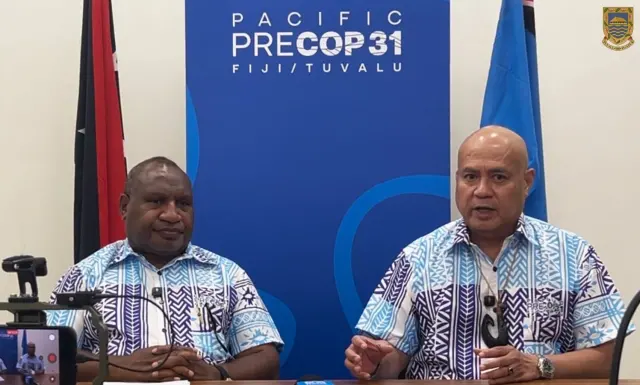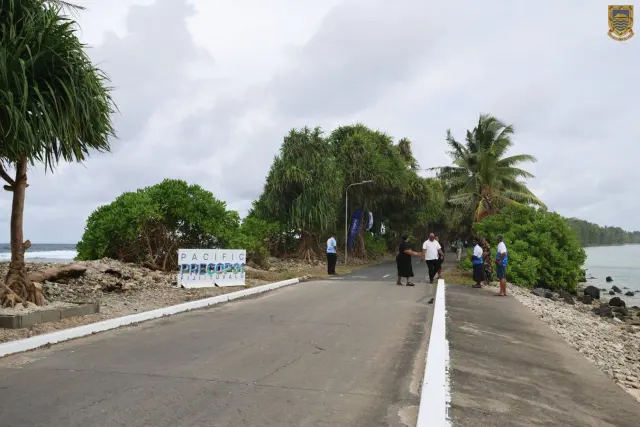
On 6 October 2026, leaders and delegates gathered across Tuvalu and Fiji to sign the Taku Pakasoa Declaration — 'Strength in Unity' — a pre-COP31 statement that puts small island nations at the centre of the global climate conversation. The name means what it says: the Pacific is asking the rest of the world to stand with the places closest to the front line.
The stakes are unusually concrete in Tuvalu. Much of the country sits only a few metres above sea level, and rising water, warming seas and stronger El Niño-driven weather are everyday realities rather than forecasts. With global temperatures pushing up against the 1.5°C limit set by the Paris Agreement, the declaration argues that every extra fraction of a degree multiplies the risk of irreversible loss — first and hardest for small island developing states across the Pacific, Indian and Atlantic oceans and the Caribbean.
What makes this statement more than a communiqué is the machinery behind it. It endorses the Pacific Resilience Facility, a regional fund aimed at community-level disaster preparedness, adaptation and response to loss and damage, and urges countries with capacity to contribute. It also presses parties to keep the 1.5°C goal alive, limit any overshoot, protect ocean and forest ecosystems, and back the UNFCCC's ongoing ocean-climate dialogue ahead of COP31.
There's a travel dimension hiding in all this diplomacy. The declaration frames the ocean as the planet's primary climate regulator, its largest active carbon sink, and an engine of food security and weather stability — systems that shape the very destinations travellers love, from Fiji's reefs to Tuvalu's atolls. Pacific nations have led much of the global advocacy on this, and the declaration explicitly credits the region's youth, Indigenous peoples and local communities for driving it.
For anyone planning a trip to the Pacific, the message is simple: these are living, working places under real pressure, not postcards. Choosing operators that support local communities, respecting customary land and marine tenure, and being aware of how tourism dollars reach (or don't reach) island residents are small ways a visit can align with the resilience the declaration calls for. It's also a reason to go sooner rather than later — and to travel in a way that helps these places stay on the map.