Croatia is projecting a bumper year. At the Croatian Tourism Days event in Poreč, Prime Minister Andrej Plenković laid out forecasts of roughly €15.9 billion in tourism revenue for 2026, driven by an expected 22 million arrivals and 110 million overnight stays. For a country of under four million people, those are staggering numbers — tourism remains one of the pillars of the Croatian economy.
The growth story stretches back over a decade. Compared with 2016, arrivals are up 34% and overnight stays have climbed 21%. More interesting for travellers is when people are going: pre-season visits have jumped 60% over that period and post-season trips by 29%. The shoulder months — May, June, late September, October — are no longer a quiet secret, and the government is actively encouraging that spread to ease summer pressure on the coast.
Geographically, the usual suspects dominate. Istria, Split-Dalmatia and Primorje-Gorski Kotar (which covers Rijeka, Opatija and the Kvarner coast) log the most overnight stays, while the biggest source markets are Germany, Austria, Slovenia, Poland, the Czech Republic and Croatia's own domestic travellers.
One note of caution came from the Prime Minister himself: value for money. With eurozone prices rising across the Adriatic, he stressed that Croatia has to keep a sensible balance between what it charges and the quality it delivers — and that holidays at home should stay affordable for Croatians too. Translation for visitors: competition along the coast is real, and keeping prices fair is now an explicit national priority, which should help keep Croatia competitive against rivals like Greece, Spain and Italy.
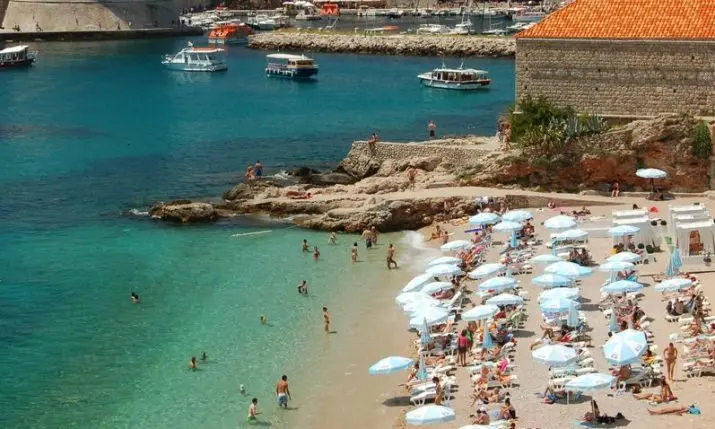
Why does this matter if you're planning a trip? A country projecting 22 million visitors in a year is one where booking early genuinely matters, especially in Dubrovnik, Hvar and Split in July and August. But the strong shoulder-season growth means May-June and September-October now offer better availability, calmer streets and warmer-than-you'd-expect sea — and the 60% surge in pre-season trips suggests more restaurants, ferries and tours stay open outside peak summer.
If you've been putting off a Croatian trip because of summer crowds, the numbers say you're not alone — and that the country is reshaping itself around exactly those earlier and later visits.