English-speaking travellers sometimes worry about getting by off the beaten path. Croatia has just removed most of that worry: the country has placed sixth globally for English proficiency in the 2026 EF English Proficiency Index, scoring 608 points and landing firmly in the 'very high proficiency' band. That's a drop from second place last year, but still comfortably among the world's best.
The index, published by Education First on 18 November, covered 117 countries and regions and drew on EF SET test results from more than 2.3 million adults taken during 2025. Croatia slipped nine points from its 2025 score of 617, yet it sits just one point behind the Netherlands — a country that topped the ranking for seven straight years before falling to fifth in 2026.
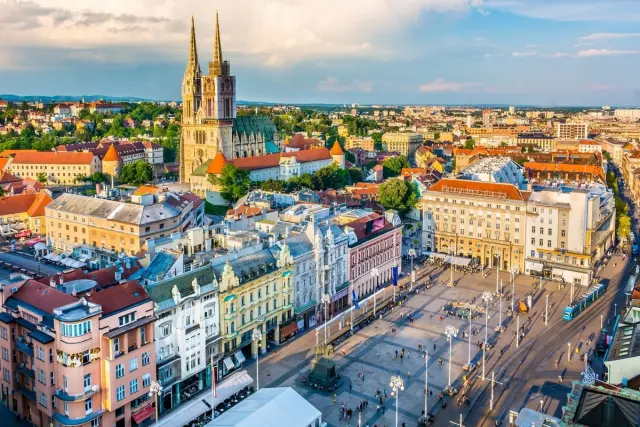
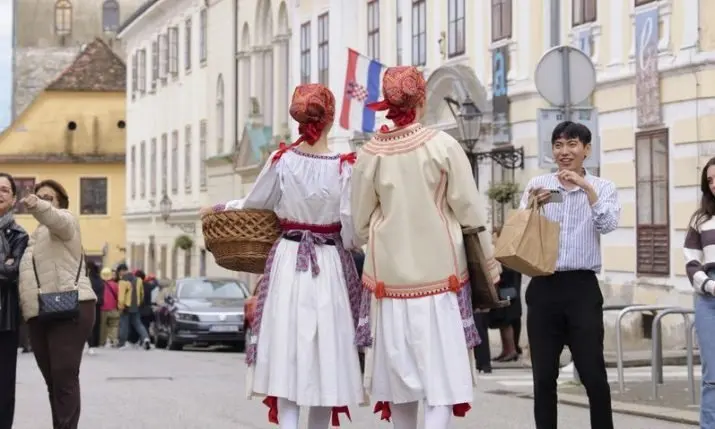
The capital does even better than the country. Zagreb scored 620 points, placing it among the five best-performing capital cities worldwide behind Copenhagen, Vienna, Stockholm and Amsterdam. In practical terms, travellers in Zagreb — from booking a room to ordering in a konoba or asking directions to the Upper Town — will rarely hit a language barrier.
The wider picture is interesting too. The top five countries are all European: Sweden leads with 615 points after leaping from eighth, followed by Austria (613), Denmark (612) and Germany (611). Still, Europe isn't immune to a broader slide — 27 of the 33 European countries tested scored lower than in 2025, and global proficiency has now declined for five consecutive years, with more than two-thirds of countries down on the previous year. The report also notes that speaking and listening lag behind reading almost everywhere, which may explain why understanding a menu is easier than chatting with a local about football.
Why does this matter for holidaymakers? Because Croatia offers Adriatic islands, Roman ruins and Plitvice's waterfalls without the communication friction you might find elsewhere in the region. Along the coast and in the cities, English is essentially universal among younger people and anyone working in tourism. It also makes Croatia an easy pick for remote workers and digital nomads — joining a gym, renting an apartment or dealing with bureaucracy is far smoother when most adults you meet can hold a conversation in English.
So if you've been putting off a trip beyond Dubrovnik's walls, consider this your nudge: Split's Diocletian's Palace, Rijeka's food scene or a quiet stretch of Istrian coastline are all as easy to navigate as anywhere in Western Europe — and usually cheaper.