Cinderella with a cabbage-leaf slipper? That's the premise of Pepelina, The Slavic Cinderella, a debut novel by Anamarija Mraz, a Croatian-born author living in Perth who writes as Mary-Anne Frost. Her book reworks the familiar fairytale through Slavic mythology and the village traditions of her childhood in Slavonski Brod, eastern Croatia — and it's a story rooted in an unusually rich family history.
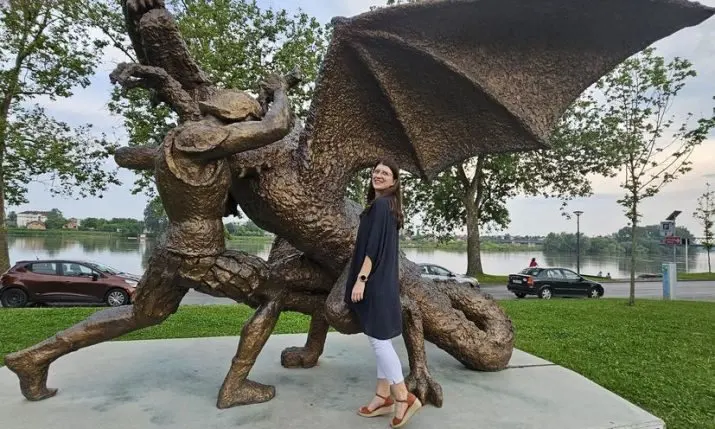
Mraz grew up in a household where her two grandmothers told folktales by the stove, tales passed down orally for generations and never written down. Christmas was the centrepiece of that upbringing: sleigh rides, mulled wine on Christmas Eve, and a family that celebrated both Catholic and Orthodox traditions — braided candles, boiled wheat, a coin hidden in the bread, and lollies tucked into the hay under the tree. Her favourite stories included a fisherman-and-golden-fish tale tied to the River Sava near her grandparents' village of Poljanci, a local version of Hansel and Gretel, and a Russian-derived dragon story she only tracked down years later.
She moved to Western Australia at 22, and her first impressions read like a love letter to Perth: the limestone heritage streets of Fremantle, a first bracing dip in the Indian Ocean, and above all Kings Park and its giant boab tree, Gija Jumulu, transported from the Kimberley as a gift from the Gija people. She saw her own migration in that transplanted tree — roots carried, new roots grown.
The book itself grew out of grief. After losing her father to cancer, Mraz returned to Cinderella for its father-daughter bond, then flipped the story: her heroine is no damsel waiting for rescue but a storyteller who writes on cabbage leaves and crafts her own tools, with household spirits like the Domovoi and Lapotnik woven into daily life. The famous glass slipper becomes an icy slipper made of green and purple cabbage leaves. Readers also get a tour of Slavic village texture — cabbage rolls, kompot, bread with lard and paprika, and a steam-filled banya patrolled by the mischievous Banik. Mraz self-published, deliberately writing in what she calls "printed voice": prose that keeps the simple, direct cadence of the village women who first told her these stories.
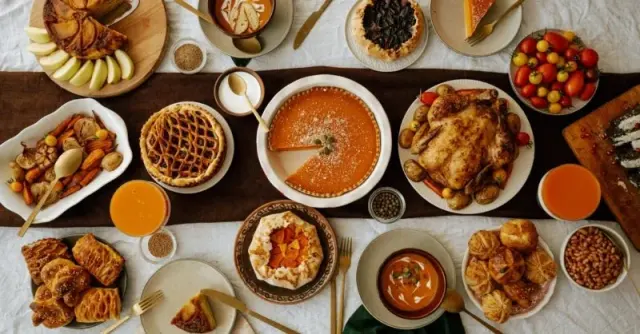
Why should travellers care? Because the book doubles as an evocative portrait of Slavonia, a region most itineraries skip. The Croatia Mraz describes — river villages near the Sava, unhurried coffees that last all afternoon, tables crowded with kulen, šunka and burek, hosts who never let you leave hungry or return an empty container — is a genuinely useful cultural snapshot. Pair the novel with a trip to Slavonski Brod and you'll arrive knowing exactly what the food, the hospitality and the storytelling tradition feel like.
For anyone building a trip around folklore, food or a slower pace of Croatia beyond the coast, Pepelina is a charming way in.
Story first reported by Croatia Week.