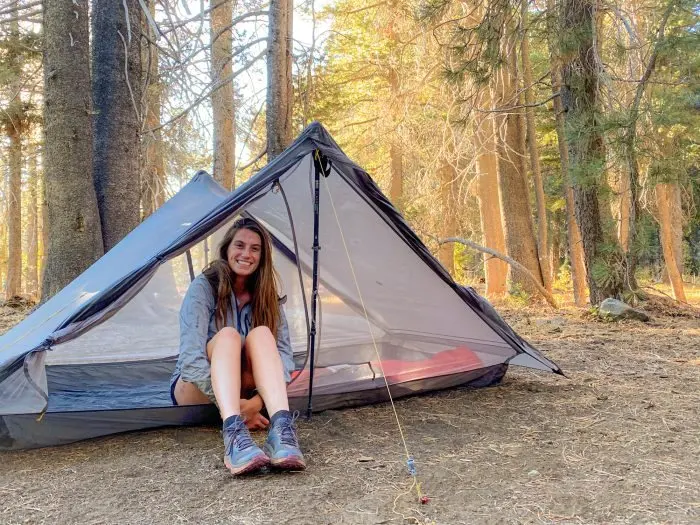
Long-distance hikers love to blame day trippers for trashed campsites, but there's one bad habit thru-hikers own almost exclusively: tucking their food into the tent at night. A recent piece on backpacking site The Trek takes on the question of whether that's ever actually okay — and the answer is more nuanced than the usual lecture suggests.
The case against is well-established. Food draws wildlife, and animals that score an easy meal start linking campsites with dinner. Mice chewing through your tent wall is the mild version; bears learning to approach people is the serious one. Food-conditioned bears often end up relocated or euthanised, so proper storage isn't just self-interest — it protects the animals too.
Why do people skip it? Convenience and fatigue. The alternatives all have friction: bear canisters are heavy and bulky, Ursacks cost a pretty penny and weigh more than nothing, and a proper bear hang takes time, skill and the right trees — plus a cold morning trip out of the sleeping bag before coffee. After weeks without incident, it's tempting to decide the rules don't apply to you.
Interestingly, respected long-distance hiker Andrew Skurka admits he sleeps with his food regularly, on one condition: he's in a low-use area with no storage regulations, where animals have never learned to associate people with food. His argument goes further — truly wild animals tend to avoid humans, so food inside the tent might theoretically be safer than food left outside. It's a minority position, but it's not baseless.
The Trek's author, though, keeps to the safer line: store food outside, every time. The non-negotiable no-gos are busy trails and campsites (where wildlife is probably already habituated), places with big bear populations, and anywhere with legal storage requirements. And there's a key caveat — storing your food properly means a canister, Ursack or a genuine hang, not just leaving your dinner bag on the ground beside your tent, which is the worst option of all.
The Appalachian Trail gets a specific call-out. Plenty of hikers there sleep with their food and brag about never having trouble, but anecdotes aren't data — the AT is exactly the kind of high-traffic corridor where animals are likely food-conditioned, and the writer feels strongly it should never happen there.
For holidaymakers planning a first multiday trek, the takeaway is simple. Buy or rent a proper canister if the area requires one, learn a decent hang technique for everywhere else, and treat "I've always been fine" stories on trail forums with scepticism. A few minutes of fuss after dinner is a small price for keeping your gear intact and the local wildlife wild.