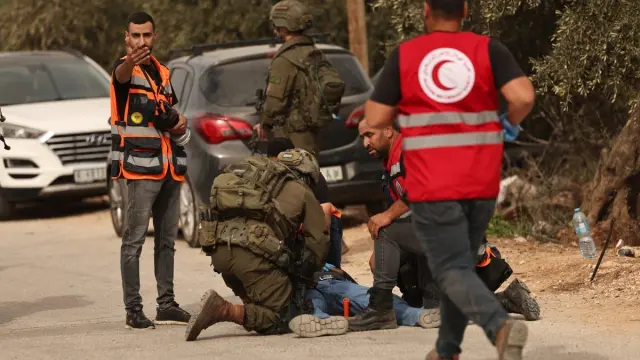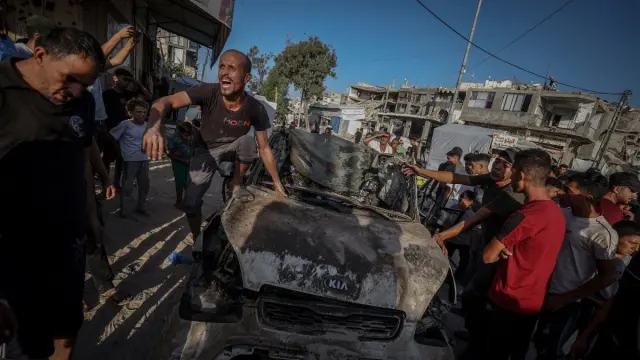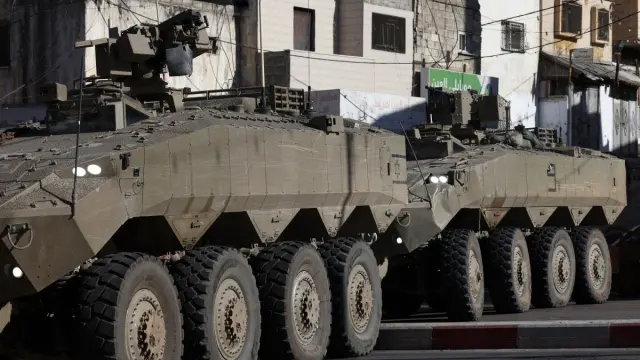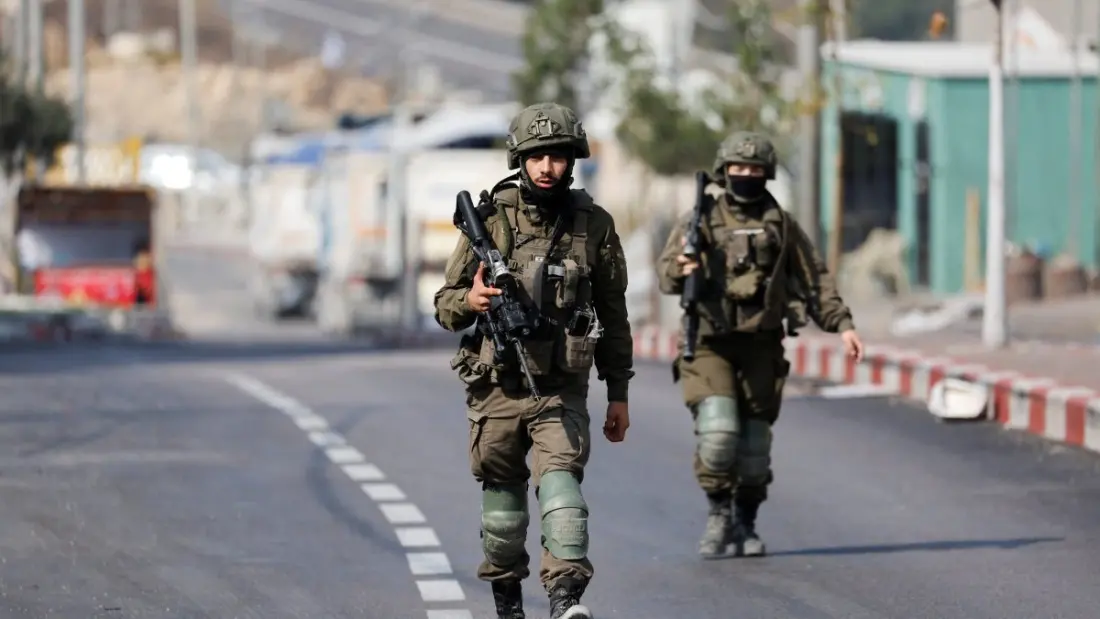
Hebron, usually one of the more visited Palestinian cities in the West Bank, is effectively sealed off right now. Following Friday's attack near a checkpoint that killed two Israeli soldiers, the Israeli military launched a large-scale operation across the occupied West Bank — and it is not business as usual for anyone hoping to move through the region.
The numbers are stark. The military says it has operated in more than 400 locations since the weekend and arrested 40 people it links to Hamas or Palestinian Islamic Jihad. Hebron's municipality reports over 2,200 residents displaced, including close to 300 children, with families forced out of nearly 500 apartments in the Deir Bahha district and surrounding neighbourhoods. All entrances and exits to the city were closed, and Mayor Yousef Zuhair al-Jabari said the blockade has shut businesses and a mosque, affecting daily life across the city.
Movement restrictions extend well beyond Hebron. Crossings into Israel are closed until after Tuesday's Israeli election, and most Palestinian permit holders cannot enter settlements for work. For travellers, this matters on a practical level: if your itinerary involves crossing between Israel and the West Bank, routes via Hebron may be disrupted or closed entirely, sometimes at short notice. Residents have been navigating checkpoints on foot, passing flour sacks and gas canisters through gates, so expect delays and security presence if you are anywhere near the area.
There's a political backdrop worth understanding. The operation lands in the final days before an Israeli election widely framed as a referendum on Prime Minister Benjamin Netanyahu's security record, and Netanyahu has vowed a forceful response, speaking from the attack site alongside government ministers. Some residents suspect the duration of the closures — initially signalled as 12 days — is tied to the vote. Whether or not that's the case, the West Bank is a tense environment: the Palestinian Health Ministry says 112 Palestinians have been killed there this year, alongside six Israelis.
For holidaymakers, the honest takeaway is this: Israel itself remains open to tourism, and places like Tel Aviv and Jerusalem continue to operate normally for visitors, but any West Bank travel — Hebron's old city, Bethlehem, Ramallah — requires checking current access conditions day by day. Hebron is uniquely sensitive: it's the only West Bank city where Israeli settlers live in the heart of a dense Palestinian urban area under military protection, and it has long drawn travellers interested in its divided old city and the Tomb of the Patriarchs. Right now is not the moment to go.
If you have trips booked that involve West Bank segments, contact tour operators and monitor guidance from your foreign ministry before travelling. Those not yet booked but considering the region may want to build flexibility into plans and keep an eye on how the situation evolves after the election.