Croatia's latest national tourism survey is out, and the headline number is up: visitors are spending an average of €162 per person per day on the coast, a 15% jump since 2022. Head inland and the figure is even higher at €164 a day, up 21% over the same period. Yet alongside the rising spend sits one persistent gripe — eating out, tourists say, feels comparatively expensive.
The findings come from the TOMAS Croatia 2025/2026 study, presented this week by the Institute for Tourism with the country's tourism minister and the Croatian National Tourist Board in attendance. It's a big piece of research: nearly 14,800 travellers surveyed across 153 destinations and more than 4,200 accommodation providers, making it the most detailed snapshot yet of how people actually behave on holiday in Croatia.
The picture it paints is familiar but useful. Most visitors still arrive by car, and coastal trips remain dominated by the classic combo of swimming and restaurant meals. Stays are short — up to a week on the coast, and just a couple of days for continental destinations, where business travel weighs more heavily than leisure. That brevity is exactly what officials want to change. Tourism minister Tonči Glavina framed the goal as extracting more value per arrival rather than chasing raw visitor numbers: longer stays, year-round travel, and better links between accommodation and food, culture and sport.
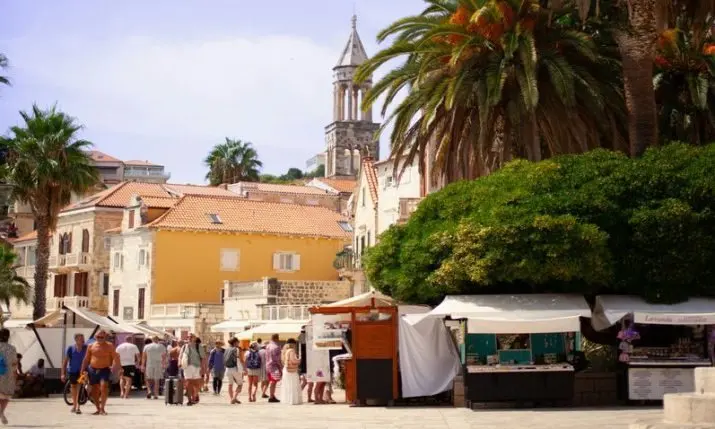
For anyone planning a Croatian trip, the spending data is a helpful reality check. Budgeting around €160 per person daily is a fair benchmark for mid-range travel, and it applies roughly equally whether you're on the Adriatic or exploring Zagreb and the interior. The restaurant-price complaint is worth heeding too — waterfront dining in peak season is where costs climb fastest, so mixing in konobas a street or two back from the sea, or self-catering some meals, keeps the budget honest.
There's also a nudge here towards the continental half of the country. The survey underlines the untapped potential of destinations beyond the beach belt, and that aligns with what travellers increasingly want: fewer crowds, lower prices and shoulder-season trips. Zagreb, Varaždin, the Zagorje castles or the Plitvice hinterland pair neatly with a coastal stay and often cost less.
In short, Croatia is earning more from each visitor — the question the study raises is whether value-for-money perceptions can keep pace, because repeat visits depend on it. For travellers, the takeaway is simple: Croatia in 2025 is no longer a budget bargain, but with smart choices on where and when you go, the quality still justifies the spend.
Story via Croatia Week.