Day six of the Peaks of the Balkans is not the glamorous side of long-distance hiking. One British thru-hiker logged a stretch in Kosovo spent mostly on hot mountain roads between rocky cliffs, with temperatures hitting 40C and no shade in sight. Locals along the way offered lifts; stubbornness won, and the walk continued on foot.
The low points stacked up. Stray dogs trailed the route looking for food. The only water source on the road section was littered, which is a real problem when you are sweating through litres of fluid. Any hopes of finding a trail family — most hikers the author met on day one were finishing their week-or-ten-day itineraries — came to nothing, and the day was walked solo.
Then the day turned. A second village restaurant, half-built or half-collapsing depending on your view, was open. The owner talked the hiker through a traditional spread of breads, local cheeses and baked pancakes, some of them unidentified. The bill? Just a few euros for a feast. Hospitality like this is exactly why people hike the Balkans, even if eating that much before a steep 5km climb to camp proved to be a questionable decision.
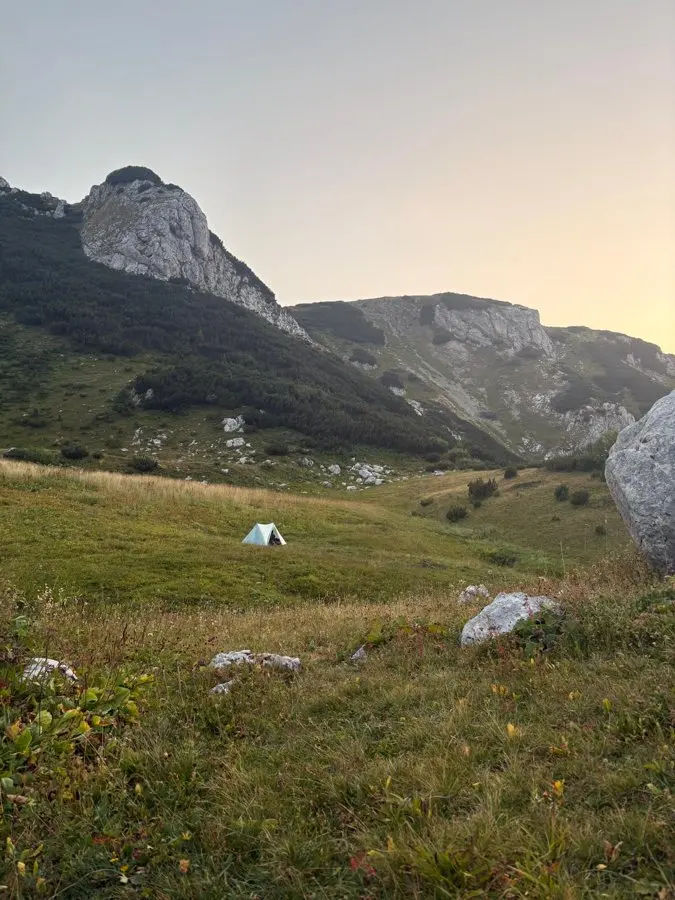
What happened next is the part that makes this story worth telling. Camped near the spring at the highest point of the entire trail, the hiker came down with a violent bout of food poisoning, then spent the night 'haunted' by vivid hallucinations — a queue of sick strangers waiting outside the tent for help. The author knew they were alone, but the visions looked real. Repeating 'I am alone' until dawn was apparently the only remedy. Heat exhaustion, dehydration and mystery pancakes make a potent combination at altitude.
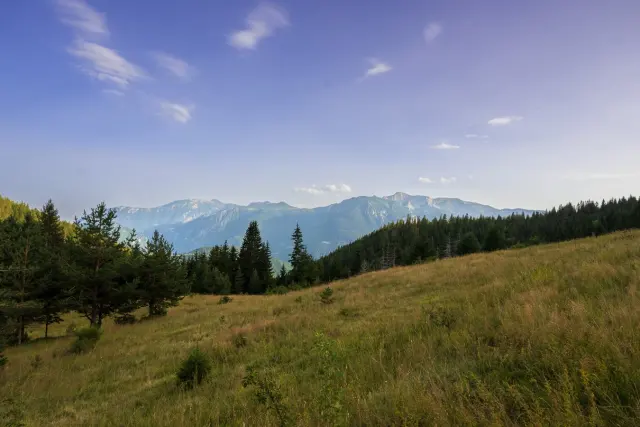
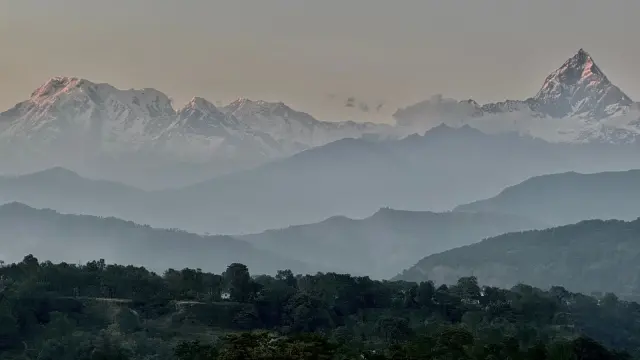
Why should a traveller care? Because the Peaks of the Balkans — a roughly 190km circuit through Kosovo, Albania and Montenegro — is having a moment, and honest trip reports like this one are the reality check the brochures skip. Yes, the passes are genuinely beautiful and the mountain hospitality is generous and cheap. But you should also expect road sections, unreliable water sources in a dry summer, intense heat if you go early, and long stretches without other hikers unless you time your start with the crowd. Most people base themselves in guesthouses, which is both how you meet people and how you avoid the summit-camping-with-food-poisoning scenario entirely.
The practical takeaways: carry electrolytes and more water capacity than you think you need, scout your water sources before committing to a camp spot, eat modestly before big climbs, and if you want company on the trail, start when everyone else does rather than on an off-peak date. And if you do end up alone on the highest point of the route at sunset, the views — once your stomach settles — are reportedly worth it.