If your post-hike routine involves a cold plunge, a ketone drink or a session with a red-light panel, some fresh research may save you money and shivering. A recent round-up of three new sports-science studies suggests that several of the trendiest recovery tools do far less than their marketing promises.
The first blow lands on ketones. Once the darling of the professional cycling world as a performance enhancer, ketone supplements have more recently been pitched as a recovery aid that could stave off cumulative fatigue. Researchers at KU Leuven in Belgium — the group behind much of that recovery hype — put the idea through a proper test. Eighteen cyclists completed a punishing eight-day simulated stage race modelled on South Africa's Absa Cape Epic, drinking either KetoneAid ketones or a placebo after each stage and before bed. The hope: faster recovery, better sleep and preserved mental sharpness. None of it materialised. Both groups slowed down at the same rate. A small sample or insufficient fatigue could explain the null result, but the authors' own theory now has a reality check attached — if ketones do anything, the effect is clearly modest.
Next, photobiomodulation — the rebranded descendant of low-level laser therapy, now available in LED form at gyms and clinics everywhere. The theory holds that red and infrared light supercharges mitochondria, the energy factories in your cells. A team at Maastricht University tested this in humans for the first time, zapping one leg of twelve volunteers with a K-Laser device and treating the other leg with a fake dose. Muscle biopsies told the story: no difference between legs beyond a little surface warmth.
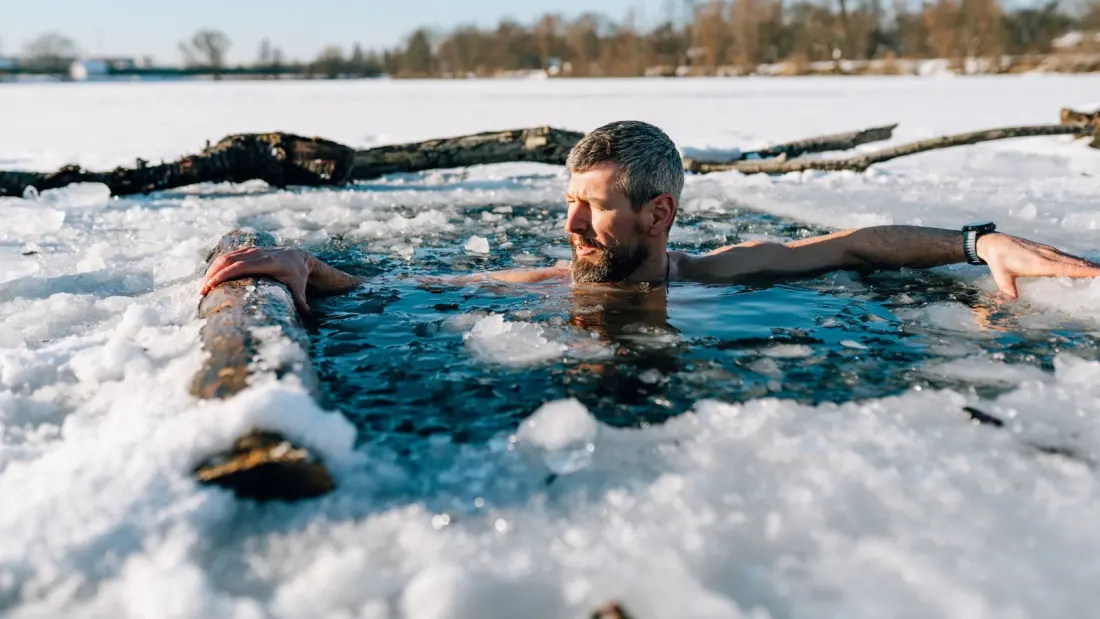
Finally, the classic hot-versus-cold duel. Twenty-two volunteers played a simulated soccer match, then spent 25 minutes in either an ice bath at 57°F or a hot tub at 108°F, repeated three times over several days. Soreness, muscle fatigue and neuromuscular function came out identical. That symmetry is telling: heat and cold have opposite effects on blood flow and inflammation, so if both 'work' equally, the likeliest conclusion is that neither does much physiologically. The French researchers behind the study framed the hot tub as a valid alternative to the ice bath, but if ice baths are largely placebo, that's a compliment of limited value.
Why does this matter to anyone who isn't an elite athlete? Because recovery tourism is real money — spa plunges, cryotherapy sessions and recovery studios now populate hotels and resorts worldwide. If you're booking an active holiday and dreading (or paying extra for) the cold plunge afterwards, the science says a plain rest day probably delivers the same benefit. Save the ice bath for the genuinely pleasant option, spend the supplement budget on a good dinner, and let sleep do the heavy lifting. For a counterpoint, the humble beet juice that actually has evidence behind it remains cheap at the local supermarket.
Outside Online