Croatia has had a remarkable run as a Mediterranean darling, but its tourism board is already flagging headwinds for the 2027 season. At the 28th Croatian Hotel Industry Congress in Poreč, Croatian National Tourist Board director Kristjan Staničić made it clear that value for money — not just sunshine — will decide whether visitors keep coming back.
The first issue is how people book. Advance reservations are tracking slower than last year, based on what HTZ learned at World Travel Market in London. That doesn't mean fewer people want to visit; it means they're committing later. Flexible cancellation, easy price comparison and last-minute deal-hunting have reshaped the market entirely. The scale of the shift is striking: during the 2026 summer season, roughly 80% of remaining accommodation capacity in Istria was sold last-minute, against about 20% in earlier years. Shorter stays are also spreading along the Adriatic, making demand harder to predict for hotels and private landlords alike.
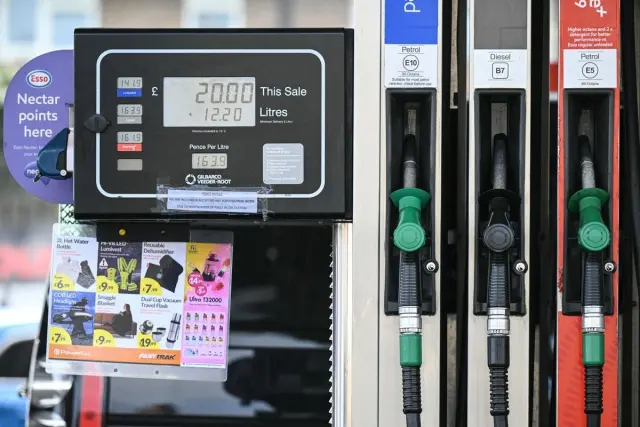
Getting there is getting pricier too. Staničić cited British Airways figures showing aviation fuel up 114% year on year, which squeezes airlines and could push fares up or trim routes — especially painful for long-haul visitors. HTZ is responding by boosting funding for airline and tour operator partnerships by around 20% in 2027, after a 30%-plus rise this year, with talks under way on extra connections to Pula, Split and Zadar. And since many visitors drive in from Germany, Austria, Slovenia and Italy, fuel and toll costs matter just as much as airfares.
The core problem, though, is perception of value. Croatia has quietly stopped being a budget option. German Federal Statistical Office data from June showed hotel and restaurant prices in Croatia are only 9% cheaper than in Germany — compared with 18% cheaper in Greece and 22% cheaper in Spain. Montenegro and Bulgaria undercut it further. Meanwhile the TOMAS Croatia 2025/2026 survey, covering 14,770 tourists at 153 destinations, found average daily Adriatic spending at €162, up 15% since 2022 — with restaurant prices the most common complaint.
For travellers, this isn't bad news; it's leverage. If Croatia's operators want to keep repeat visitors who remember cheaper summers, expect sharper attention to service quality, transparent pricing and better shoulder-season offers outside July and August. HTZ is also courting American, Canadian and Chinese visitors, with US travellers prized for spending more and travelling outside peak months. Anyone planning an Adriatic trip in the next couple of years should watch early-bird deals but may also find late-booking bargains — while enjoying growing pressure on hotels and restaurants to actually earn their rates.