Cuba's leadership has announced a package of measures that would have been unthinkable in official discourse a few years ago: a wider role for the private sector, a real place for the Cuban diaspora in the economy, openness to foreign investment and some loosening of state-controlled economic mechanisms. President Miguel Díaz-Canel and Prime Minister Manuel Marrero presented the changes as a response to the country's deep economic crisis, and commentators inside and on the island have been quick to point out how much of the package echoes ideas experts have pushed for years.
The columnist behind the OnCuba piece gives credit where it's due — recognising that the announcements mark a genuine shift in thinking — but argues that announcements are the easy part. The real test, he writes, is trust. Investors, whether Cuban exiles or locals, will only commit capital when there are clear rules, legal protection for assets, the ability to repatriate profits, and a transparent regime for buying, inheriting and transferring property. None of that is confirmed yet. He also flags unresolved questions about whether political vetoes will decide who gets to invest, and he calls for a serious modernisation of the financial system: working banks, access to credit, efficient payments and a predictable exchange rate.
For travellers, the background matters more than it might seem. The growth of private restaurants, guesthouses and tour operators has already transformed how visitors experience Cuba, and a more confident private sector with access to credit and foreign capital would likely mean better accommodation, food and services across the island. Remittances and diaspora investment have long propped up the economy; if the diaspora is allowed to invest rather than just send money, the places travellers visit could change noticeably. Conversely, if the reforms stall — as previous openings have — expect the familiar realities to persist: cash-based transactions, patchy card acceptance, shortages and an unpredictable dual currency environment.
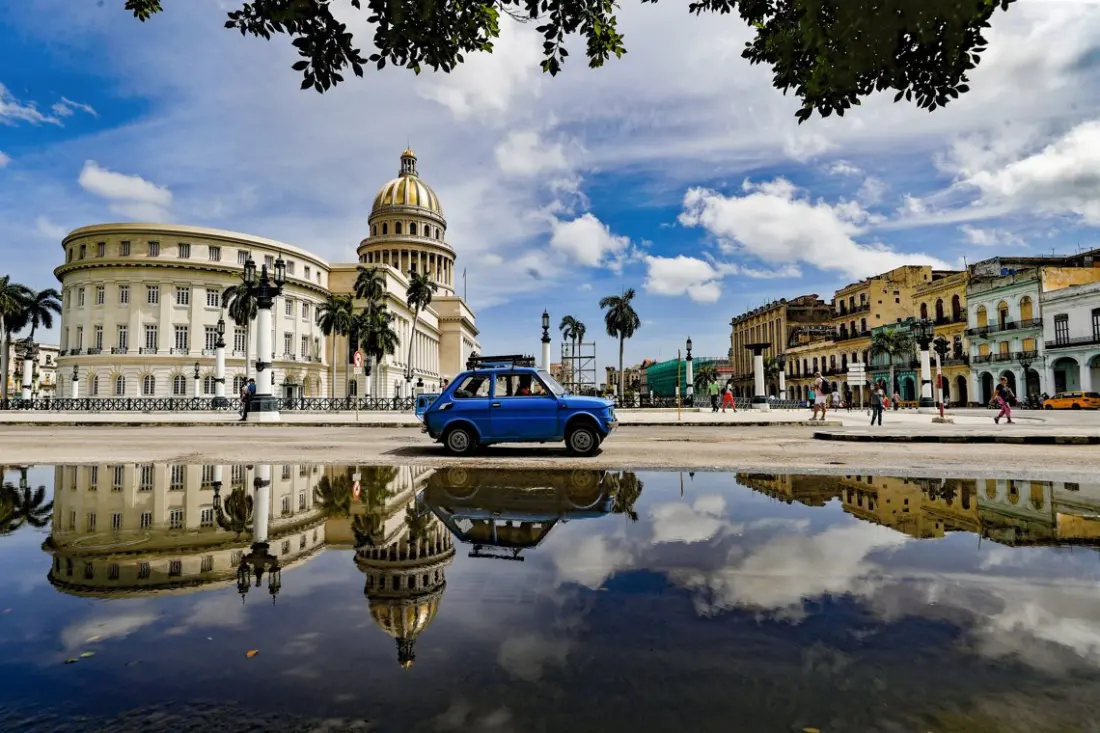
The bottom line from the piece: Cuba needs to move from authorisation to guarantee, and from intention to execution. Until property rights and banking are sorted, much of the island's potential capital — including the millions of Cubans abroad — will keep watching from the sidelines. For anyone planning a trip, that means Cuba remains fascinating and slightly unpredictable: go for the music, the classic cars and the warmth of the people, and book private-sector stays and eateries where your money reaches Cubans directly rather than the state.