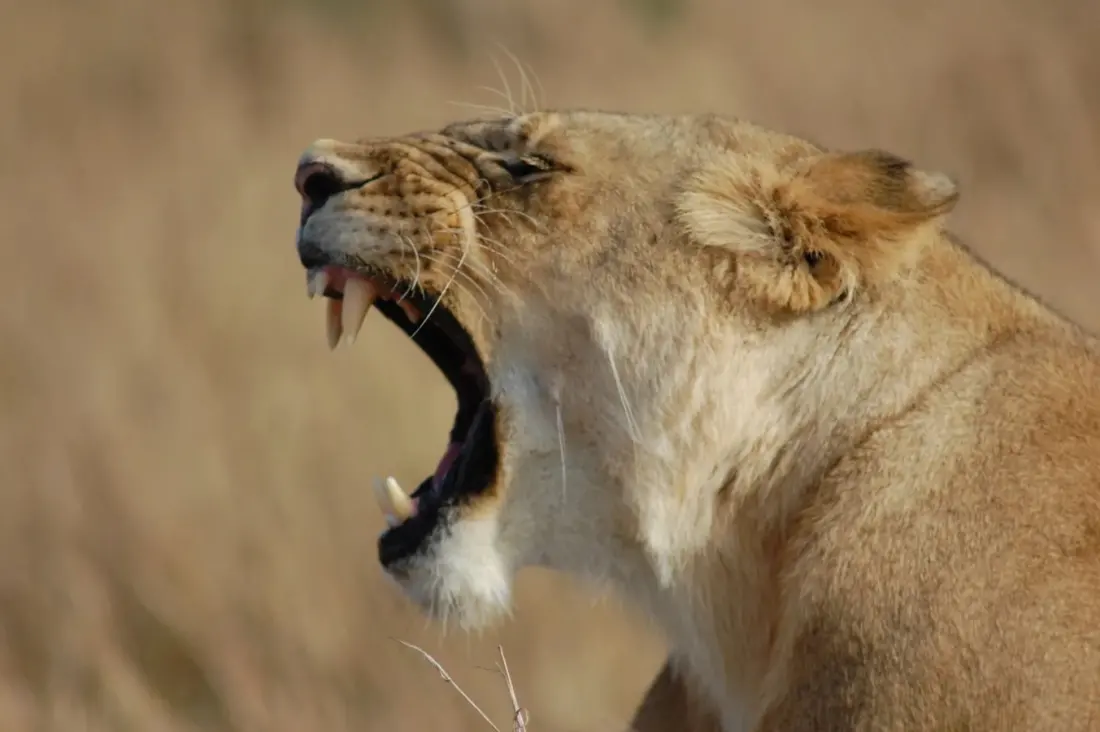
There are only about 24,000 lions left in the wild worldwide. That's the sobering figure behind a new photo essay from Smithsonian, which pairs 15 striking images of African lions with a reminder that these animals are classified as vulnerable on the IUCN Red List.
The numbers put things in perspective. Lions once ranged across much of Africa and beyond; today, seeing one in its natural habitat is a genuine privilege that depends on the survival of a fragile population. In the wild, a lion can live up to 16 years, though habitat destruction and conflict with humans — the two biggest threats flagged in the piece — cut many lives short.
The essay itself leans into the everyday drama of lion life. Across game reserves in Africa, the photographers captured cats that are strong and majestic one moment, playful and frankly funny the next. That's not just cute framing; it's a useful nudge for anyone planning a safari. Lions spend up to 20 hours a day resting, and the moments that stick with travellers are often the in-between ones: cubs tumbling over each other, a yawn that turns into a roar, a pride sprawled in the shade while everyone in the vehicle holds their breath.
Conservation is the quiet thread running through the story. The piece notes that work to protect lions happens both in African game reserves and in zoos around the world, with anti-poaching efforts, habitat protection and community programmes all part of the picture. For travellers, this matters more than it might seem. Where you choose to go on safari — and the operators you book with — has a direct bearing on whether wildlife tourism funds protection or adds pressure. Well-run reserves channel park fees and conservancy levies into ranger patrols and local communities, which is precisely what keeps human-wildlife conflict down.
So who is this for? Anyone with a safari on the wishlist, and anyone who assumes lions are doing fine because they're everywhere on social media. The photo essay is a quick, image-led read, but the underlying message is practical: book with reputable, conservation-minded operators, travel in the right season, and treat a lion sighting as the rare event it now is. Roughly 24,000 animals spread across an entire continent is not a lot. Seeing one on an early-morning game drive, with the light coming up over the savanna, is one of travel's great experiences — and one worth protecting.
The full set of 15 photos and the story behind them is well worth a scroll before you start planning your trip.
Via Smithsonian Travel.