Queensland's dolphins have picked up a fishing hack once thought unique to Western Australia. Researchers from the University of the Sunshine Coast have filmed bottlenose dolphins off the state's coast practising 'shelling' — chasing fish into large empty shells, lifting the whole lot to the surface and shaking the fish straight into their mouths. The first sighting came from research boat observer Dr Alexis Levengood, a PhD student, off Hervey Bay. Crucially, a mother and calf were seen doing it together, suggesting calves learn by watching mum rather than from peers. Until now, shelling had only ever been documented in Shark Bay, so the same trick evolving independently on opposite sides of the country is a big deal for anyone who cares about how smart these animals really are.
Meanwhile, a less glamorous creature is getting its moment. Sea cucumbers can spawn simply by wobbling their heads and releasing reproductive cells, but they're under real pressure from overfishing for food and traditional medicine. PhD student Paul Wright at the University of the Sunshine Coast is studying the receptor for a natural chemical that triggers egg maturation and spawning — a key step toward reliable captive breeding. The awkward part: males and females look identical from the outside, so pairing them up is guesswork unless you look inside. Beyond reproduction, these animals quietly keep reefs healthy by swallowing sediment, recycling nutrients and churning the seafloor. Lose too many and the ocean loses a free maintenance crew.
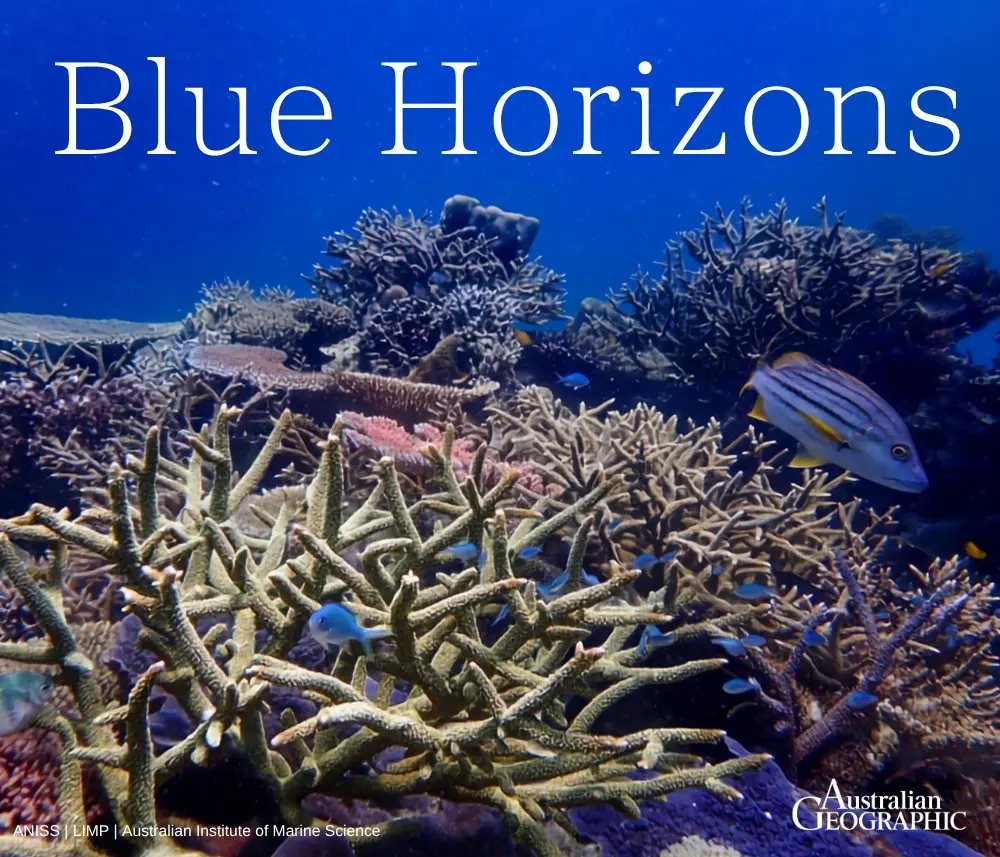
And a genuine piece of good news for anyone planning a reef trip: a late summer monsoon in 2026 cooled sea temperatures at exactly the right moment, limiting bleaching damage on the Great Barrier Reef. Scientists at the Australian Institute of Marine Science found coral cover stabilising or rising in the Northern and Central regions, with a marginal, statistically insignificant dip in the South. It's a welcome change after the mass bleaching events of 2024 and 2025, though lead researcher Dr Mike Emslie is quick to caution that six mass bleaching events since 2016 — plus cyclones, floods and crown-of-thorns starfish outbreaks — mean the reef's capacity to bounce back is not unlimited. The report also marks 40 years of continuous monitoring by AIMS, one of the longest reef data records anywhere.
Why does any of this matter to a traveller? Because Australia's east coast is one of the few places where you can see these stories unfold in person. Hervey Bay is a dolphin and whale-watching hub, and the Fraser Coast's calm waters are exactly where researchers filmed the shelling behaviour. On the reef, liveaboards and day trips from Cairns and Port Douglas run across all three regions, and picking operators with strong environmental credentials is the simplest way to help a recovering system. As for sea cucumbers — you'll spot them far more often than you'd expect on any reef walk or dive. Now you know what they're up to.
Story via Australian Geographic.