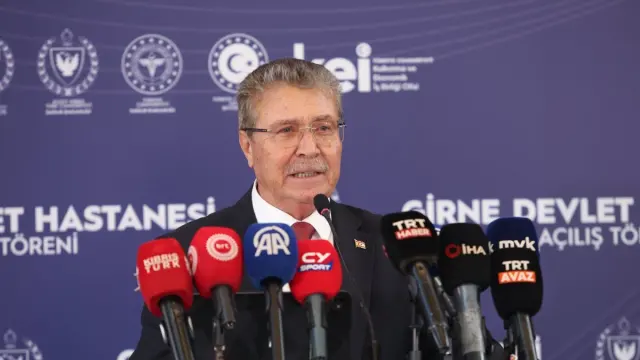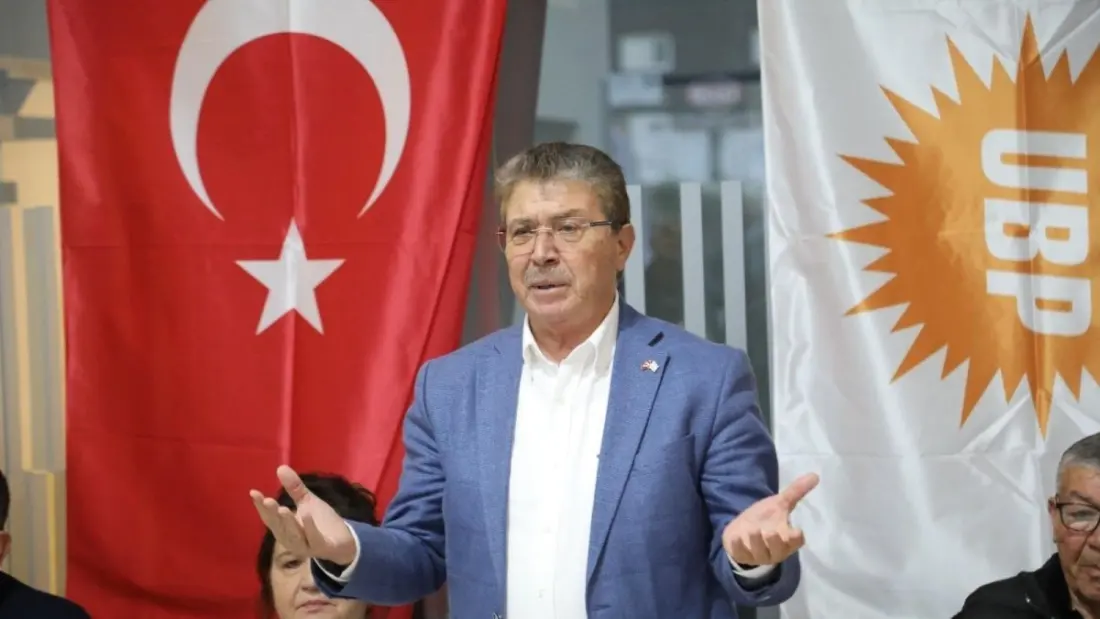
The long-running standoff on divided Cyprus has sharpened once more. Ünal Üstel, prime minister of the Turkish Republic of Northern Cyprus (TRNC), has publicly told the Greek Cypriot administration to stop lobbying against Turkish Cypriot projects and instead take up an offer of cooperation over water and natural gas.
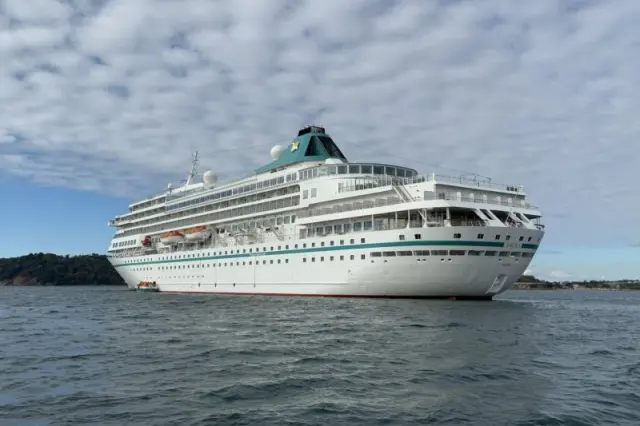
At the centre of the dispute is the Akdeniz Araştırma 1, a Turkish research vessel operating in the Eastern Mediterranean. The ship carries out scientific work — tracking marine pollution and fish stocks among other surveys — but the Greek Cypriot side argues it cannot operate without their authorisation, and has taken its objections to the United Nations and the European Union. Üstel dismissed those claims as detached from reality, insisting the surveys rest on the legitimate rights of both the TRNC and Türkiye, and that they will continue regardless.
Energy is the bigger prize in this row. Üstel singled out Greek Cypriot Foreign Minister Konstantinos Kombos's discomfort with the Türkiye–TRNC Natural Gas Pipeline Project, vowing the pipeline would be built at full speed. He framed it as a landmark for Turkish Cypriots: after the water supplied via the so-called Project of the Century pipeline from Türkiye, natural gas would follow. In his words, the pipeline is meant to be more than infrastructure — a symbol of the bond between Turkish Cypriots and Türkiye.
His statement also carried a pointed political message. Noting that the Greek Cypriot administration signs agreements with foreign countries on its own, he argued it has no standing to block TRNC projects. More broadly, he repeated the Turkish Cypriot position that any settlement on the island must recognise the equal status of two peoples and two states, calling that recognition a prerequisite for lasting peace.
Why does this matter to travellers? Cyprus has been split since 1974 into the Greek Cypriot south — an EU member using the euro — and the Turkish Cypriot north, recognised only by Türkiye. Every few years, tensions over drilling ships, survey vessels and maritime claims make headlines and raise questions about whether the island is a safe or straightforward holiday destination.
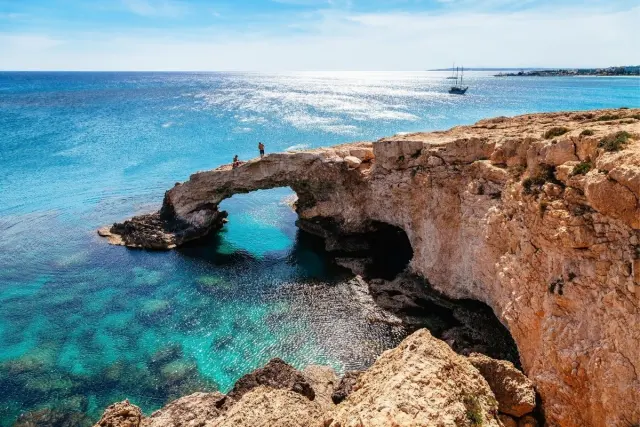
In practice, the day-to-day picture for visitors is calm. Tourism continues on both sides of the divide, and crossing between south and north is possible at several checkpoints, including the one on Ledra Street in Nicosia, the world's last divided capital. The south draws beach and resort holidays around Ayia Napa, Paphos and Limassol; the north is known for Kyrenia's harbour, the beaches of the Karpaz Peninsula and the walled old town of Famagusta.
Still, travellers should follow the news before booking. Occasional diplomatic flare-ups over energy exploration in the Eastern Mediterranean can generate rhetoric, though they have rarely affected tourists. The practical takeaways: check current crossing rules between the two sides, be aware that insurance for hire cars generally doesn't carry across the Green Line, and remember the north uses the Turkish lira while the south uses the euro. For now, the island remains open for business — even as its leaders remain far from agreement.