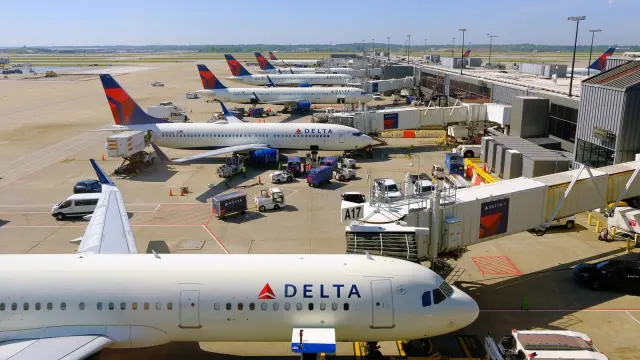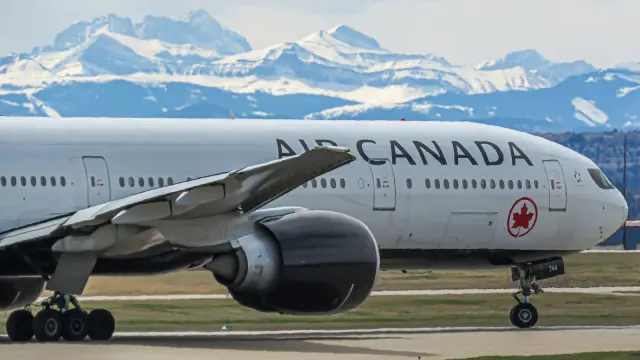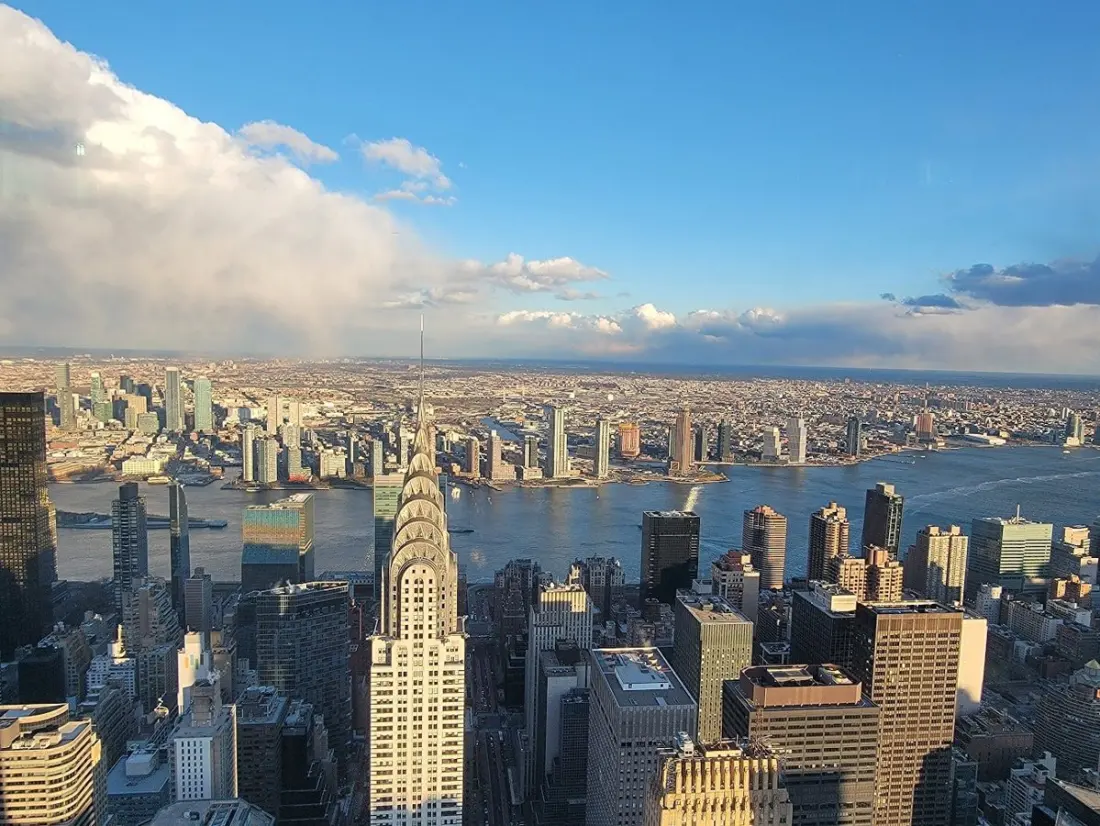
Delta's CEO Ed Bastian recently claimed the airline has flown Atlanta to LaGuardia since the 1950s, complaining the trip takes longer now than back then. Aviation watchers were quick to point out the problem: Delta didn't serve LaGuardia in the 1950s at all. Its LaGuardia service started in October 1969, and its first New York flights actually landed in New Jersey.
The airline's New York story began decades earlier, in a roundabout way. In 1934, Mayor Fiorello La Guardia famously refused to disembark a TWA flight that had landed in Newark, insisting his ticket said New York. He had himself flown on to Brooklyn's Floyd Bennett Field as a publicity stunt to pull airline business across the state line — ironically, an airport roughly the same distance from Times Square as Newark.
Delta, which grew out of Southern crop dusting and moved its headquarters to Atlanta in 1941, was a latecomer to the New York market. Under the era's strict route regulation, it won authority in 1956 for three daily round trips to Newark. JFK (then Idlewild) followed in 1957, and LaGuardia only came in 1969 — served initially with small DC-9s while rivals Eastern and American dominated the airport's premium concourses.
What turned Delta into a genuine New York power was a series of acquisitions and deals. It bought Northeast Airlines in 1972, took over Pan Am's transatlantic operation and shuttle in 1991, and — most consequentially — completed a 2011 slot swap with US Airways that handed Delta 132 daily LaGuardia slot pairs. Delta's share of LaGuardia slots jumped from 24% to 44% within a year. It later leased United's JFK slots when United pulled out in 2015, and backed it all with a $4 billion LaGuardia terminal rebuild.
There's a lesson here for anyone flying to New York: your ticket's airport matters. Newark is legitimately convenient for parts of the metro area — United even ran taxi-top ads comparing real-time drive times to Newark versus JFK, quietly hiding the comparison whenever Newark lost. But as United learned after abandoning JFK (a move its own leadership later called a mistake, partly because it handed corporate accounts to American), travellers who want LaGuardia for domestic hops and JFK for long-haul flights tend to stick with the airline that serves both.
The bigger picture is about loyalty economics: Delta's New York strength underpins its enormous American Express relationship, expected to top $9 billion in 2026 — though inflation-adjusted, its earlier growth targets were arguably a miss. Still, for passengers, the takeaway is simple. Delta wasn't born a New York airline; it assembled one, largely with airport access its competitors gave away. When booking New York, check which airport you're actually getting — 'New York' on a ticket can mean three very different travel days.