Call somewhere a desert and most of us picture lifeless sand. But five of the world's most arid regions tell a very different story — one of inland deltas, fog-drinking beetles, sudden flower carpets and hidden oases.
Start with Botswana's Okavango Delta, arguably the most dramatic contradiction of all. Rain falling in the Angolan highlands feeds the Okavango River, which flows south into the Kalahari Basin and then simply stops — spreading into channels, islands and flooded grasslands before vanishing into the sand, never reaching the sea. The clever twist is timing: the flood arrives during Botswana's dry winter, so wildlife congregates around water just as everything else parches. Elephants, buffalo, red lechwe and zebra move through the floodplains, shadowed by lions, cheetahs and African wild dogs. It's one of Africa's great safari spectacles precisely because it shouldn't exist.
Namibia's Namib Desert takes a different approach to hydration. Rain is scarce, but the cold Atlantic collides with warmer inland air to push fog across the dunes each morning. Certain Namib beetles have turned this into a survival trick, standing head-down in the fog so droplets collect and roll into their mouths. Plants harvest moisture too, and the strange, strap-leaved Welwitschia — a plant found almost nowhere else — anchors the ecosystem.
Chile's Atacama delivers the most theatrical surprise. After rare heavy rains, the desierto florido erupts: seeds lying dormant for years suddenly carpet the ground in purple, pink, yellow and white. The catch is that it's not an annual event. Timing depends entirely on rainfall, and anyone booking a trip around photos from a previous bloom should check local conditions first — or accept the gamble.
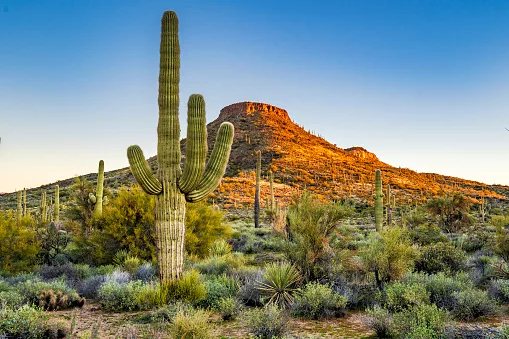
There's more beyond those three. The Sonoran Desert, straddling Arizona, California and northwestern Mexico, leans on summer monsoon rains and supports the towering saguaro cactus alongside a surprising range of habitats, from rocky slopes to dry washes that briefly roar with water after storms. And the Sahara, despite its dune-sea image, holds rocky plateaus, mountains, groundwater-fed oases and wadis that can flash-flood without warning.
The common thread: rainfall alone doesn't decide how much life a desert can hold. Water arrives as floods from far away, as fog off the ocean, as groundwater, or as seeds waiting patiently for their moment.
For travellers, this reframes what a desert trip can be. Instead of a single dune-and-sunset itinerary, you can plan around a flood, chase a rare bloom, or watch mist roll over the Namib at dawn. Just remember these systems are finely tuned — shifting rainfall and fog patterns affect everything that depends on them — so treat any desert as a living, variable place rather than a blank on the map.