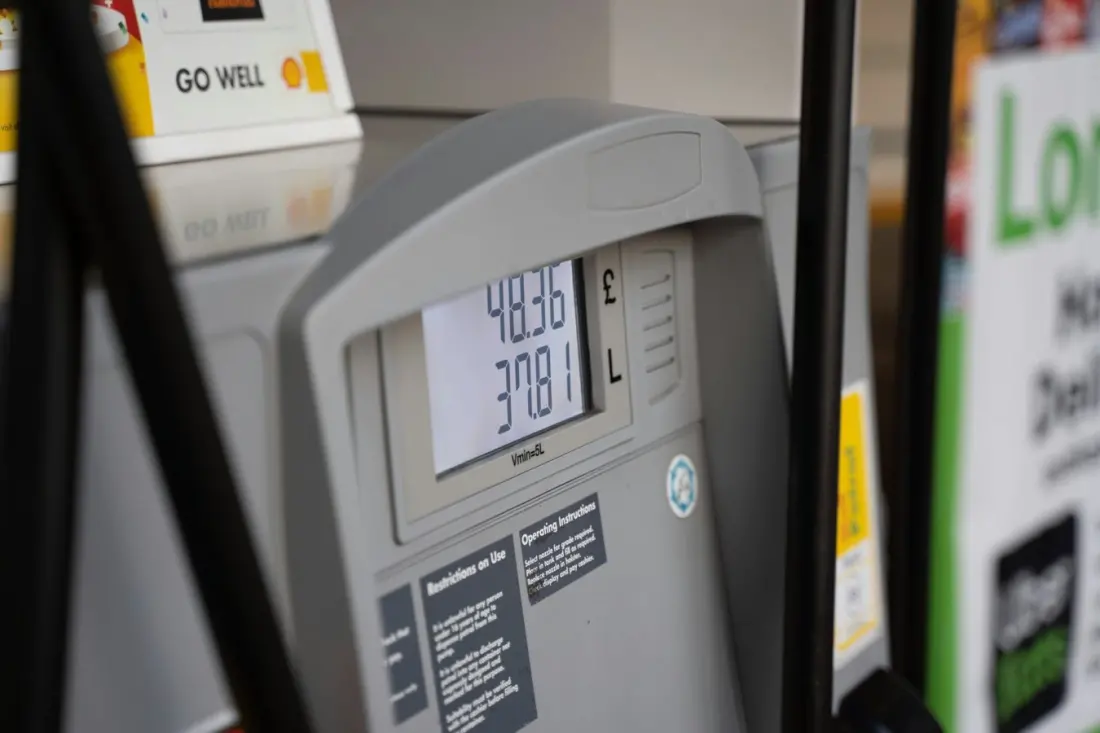
Croatia has long been one of the cheaper places in Europe to fill up — a small but real perk for the millions of road-trippers who drive down the coast each summer. That may be about to change. From Tuesday 22 September 2026, prices at the pump are set to jump across the board, and eurodiesel could reach €1.95 per litre, the highest level ever recorded in the country.
The expected rises, reported by Index and RTL but still unofficial until the government reacts, break down like this: eurosuper petrol up one cent to €1.74 a litre, eurodiesel up ten cents to €1.95, and blue diesel — the agricultural and commercial variant — up eleven cents to €1.51. If nothing is done, that diesel figure would top anything Croatia has seen before.
The cause is not local. Global energy markets have been roiled for months by the US conflict with Iran, and the situation worsened after drone attacks on Saudi Arabia's East-West oil pipeline, a crucial alternative route now that shipping through the Strait of Hormuz is considered unsafe. Brent crude has climbed above $100 a barrel, with some European deliveries topping $120.
Interestingly, experts say the spike is driven less by actual shortages than by expectation. Energy analyst Davor Štern points out that traders are betting on future scarcity rather than responding to fuel that is genuinely missing from the market — speculation doing much of the heavy lifting.
Can Zagreb do anything about it? Professor Marijana Ivanov of the University of Zagreb's Faculty of Economics thinks the government's options are shrinking fast. Cutting excise duties offers almost no room, particularly for diesel. A VAT cut on fuel is technically possible but she advises against it, arguing public finances are already stretched by deficit risks. And squeezing distributor margins further would push small petrol stations, already operating on unsustainable margins, closer to the edge. In short: the state has few levers left to cushion drivers.
Why does this matter if you're not a Croatian commuter? Because fuel prices shape holiday budgets. Anyone planning an autumn or 2027 driving holiday through Croatia — whether arriving via Slovenia, Hungary or Serbia, or touring Istria and Dalmatia by hire car — should factor the new prices into the maths. A ten-cent jump adds roughly €5-6 to filling a typical 55-litre tank, and a full Adriatic round trip can involve several of those. Croatia losing its status as a relative bargain at the pump also narrows the gap with neighbouring Italy, where fuel has long been pricier. The practical takeaway: watch whether the government intervenes before you go, and price your route accordingly.
Reported by Total Croatia.