A lampshade grown from mushroom root. Earrings sliced from a smashed car windscreen. Cushions stuffed with recycled cigarette filters. These were among the pieces on show during KESKfEST, the Estonian festival held in Toronto from 20–23 August, where an exhibition gathered work from some of Estonia's leading designers under one roof — and made a surprisingly convincing case that rubbish might be the most interesting raw material of the decade.
Estonia is best known internationally for its digital government and start-up scene, but the exhibition pointed to a second, quieter strength: materials innovation. The show was organised around four themes — traditional craftsmanship, radical upcycling, biomaterials and digital 3D fabrication — and each had concrete, working examples rather than vague concepts.
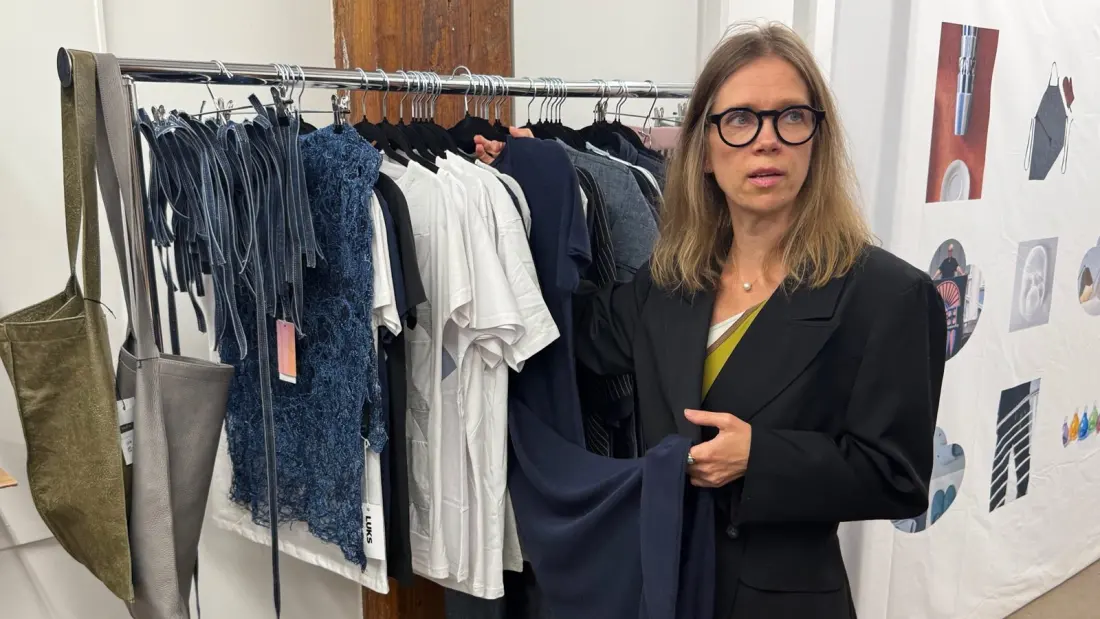
The anchor was designer Reet Aus, a pioneer of circular fashion, who has pushed upcycling into industrial-scale manufacturing. Her certification model lets textile factories feed their own offcuts straight back into production, and life-cycle assessments behind her work claim upcycled garments need 99 per cent less water and 94 per cent less energy to make than conventional ones. She also showed a seamless jumper, six years in development, knitted in one piece from recycled cotton and cellulose yarn — no cutting means no offcuts, and when it wears out, it can be unravelled and respun.
Other projects found value in things most of us never think about. Wool from Estonian sheep that would otherwise be discarded becomes protective packaging with ambitions to replace bubble wrap. A researcher at the Estonian Academy of Arts collects fallen leaves from Tallinn's streets and spins their fibres into yarn. Elsewhere: mycelium grown in moulds over months into velvety lampshades, now being trialled for acoustic panels and building blocks; skateboard decks reborn as homeware; eggshells and charcoal reappearing in accessories.
"You have to know the story," Aus said during the tour. "Otherwise, it's just a product." That framing is the real takeaway. The pieces here aren't novelty eco-gimmicks — they combine Nordic design sensibility with genuine utility, like shoes made from the hides of deer culled in the Alps that manage to be both rugged and refined.
Why should a traveller care? Because the best souvenirs are objects with a story, and Estonia has become one of Europe's most interesting places to hunt for them. Tallinn's design shops and the Estonian Academy of Arts scene are producing work that looks good, lasts and carries a genuinely modern idea of what waste is worth. If your next city break includes design museums and independent boutiques, Estonia's circular design wave is a reason to put Tallinn higher on the list — and to ask where the things you buy actually come from.
The message of the Toronto show was blunt: sustainability is no longer about doing less harm, but about rethinking what counts as waste altogether. In Estonian hands, yesterday's rubbish is becoming tomorrow's luxury.
Reported by Estonian World.