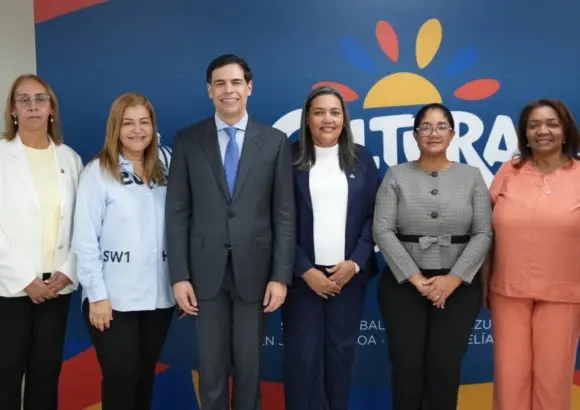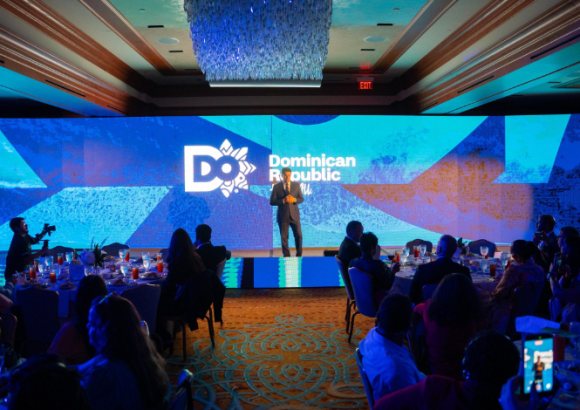
Houston has quietly become one of the most important cities for Dominican tourism. That was the message from Tourism Minister David Collado, who travelled to Texas to lead the country's 124th international tourism roadshow, meeting with more than 200 travel agents, tour operators and airline representatives in a single day.
The pitch was straightforward: the Dominican Republic wants Houston to be a bigger feeder market for its beaches, resorts and city breaks. Collado confirmed that Houston now ranks fifth among the country's priority markets in its international promotion strategy — a notable position for a city that isn't a coastal hub — thanks largely to its strong air connectivity to the Caribbean and room to grow further. Events like this are designed to convert that potential into booked holidays, with the ministry framing the destination as both a leisure pick and an investment opportunity.
A large part of the sales effort runs through travel agents. The Dominican Ministry of Tourism has built its own loyalty-style platform, DO Travel Rewards, which now has more than 35,000 registered agents worldwide. The platform feeds them up-to-date information on hotels, regions and experiences so they can sell the country more confidently to their own customers. If you book holidays through an agent, expect to hear more about the Dominican Republic from them in the coming months.
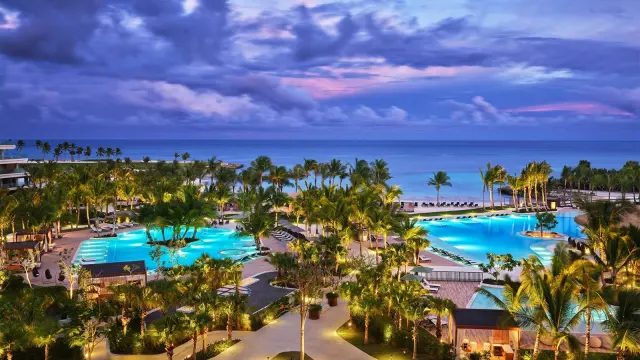
Why should a regular traveller care? Roadshows like this usually translate into tangible perks: more direct flight options from US cities, aggressive package deals pushed through agent networks, and renewed investment in hotels and infrastructure on the island. For Texans in particular, the message is that Punta Cana, Santo Domingo and the Samaná Peninsula are being positioned as easy, well-connected getaway options rather than long-haul expeditions.
The Houston stop fits into a broader push by the Dominican Republic to diversify beyond its traditional source markets and keep its tourism sector growing. With competition heating up across the Caribbean, the country is clearly choosing to fight for market share on the road — one agents' meeting at a time.