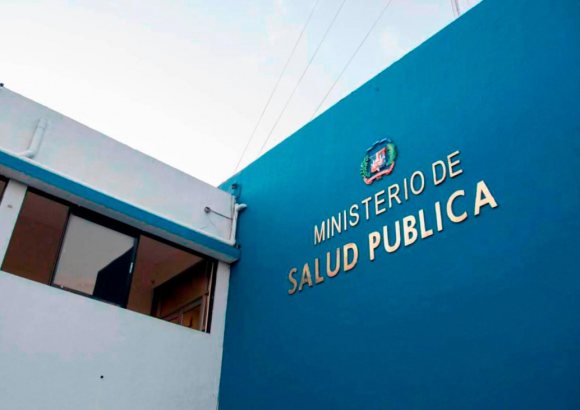
Dominican health officials have told residents to step up dengue prevention, and while the message is aimed at locals, anyone planning a beach holiday on the island should take note too.
The Ministry of Public Health in Santo Domingo — speaking through Minister Víctor Atallah — stressed that prevention needs to continue at home and in communities even though national numbers look good. As of epidemiological week 39 of 2026, the country had logged 396 confirmed dengue cases, with only around 15 in that week alone. Officials say the figures sit comfortably within the favourable zone of the endemic corridor and below what the 2019–2025 trend would predict.
So why the warning? Two reasons. First, weather conditions linked to El Niño can boost breeding of the Aedes aegypti mosquito, the species that spreads dengue. Second, the DENV-2 serotype is circulating in the country, and health authorities caution that even with a favourable national picture, localised spikes can still happen. There's wider regional context as well: the Pan American Health Organization has recorded nearly 1.7 million suspected dengue cases across the Americas through week 36, so the Caribbean is far from alone in watching this closely.
The practical advice from the ministry is mostly about standing water — the mosquito's favourite nursery. Keep tanks and cisterns tightly covered, scrub and empty water containers weekly, clear rainwater from tires, bottles, cans and flowerpots, and check patios, roofs and gutters after it rains. Accommodation hosts and villa renters take note: those checks apply to holiday properties just as much as family homes.
For travellers, the health guidance matters too. Anyone developing a high fever during or after a trip to a dengue area should see a doctor promptly and avoid self-medication. One detail worth memorising: aspirin and ibuprofen are off the table for suspected dengue because of bleeding risk — paracetamol (acetaminophen) is the safer option for fever and pain, used as a healthcare professional directs.
None of this makes the Dominican Republic a no-go. Case numbers are low by recent regional standards and the official message is vigilance rather than alarm. But it's a good prompt to pack sensible basics for any Caribbean trip: a reliable insect repellent (DEET or picaridin), light long sleeves for dawn and dusk, and air-conditioned or screened accommodation where possible. Mosquitoes that carry dengue bite mostly during the day, so a beach day is no automatic protection. A quick check of your hotel's water storage practices — covered tanks, no stagnant water around patios — costs nothing and can make a real difference.
Bottom line: dengue risk in the Dominican Republic is currently low and well-monitored, but simple personal precautions are what keep it that way for visitors. Book the trip, pack the repellent, and know which painkiller to reach for if a fever hits.