El Salvador is best known for its surf breaks and volcanoes, but it also holds one of Central America's most interesting archaeological records — including a UNESCO-listed site often nicknamed the 'Pompeii of the Americas'. For travellers who like their beach holidays with a side of pyramids, the country packs five major archaeological parks into a compact area, several of them reachable as easy day trips from the capital.
The standout is Joya de Cerén, in the Zapotitán Valley about half an hour from San Salvador. Around the seventh century, the Loma Caldera volcano erupted and buried an entire farming village under ash, preserving homes, kitchens, storage buildings and even fields of crops. UNESCO granted it World Heritage status in 1993 precisely because it shows how ordinary Maya families lived — not kings and priests, but farmers cooking meals and tending maize. No other site in Mesoamerica preserves everyday domestic life this well.
Just a short drive away sits San Andrés, a major political and ceremonial centre of the Classic period, with monumental plazas and raised platforms you can walk through. Pairing the two in one day works nicely: the ceremonial capital and the village it likely helped govern, in the same valley.
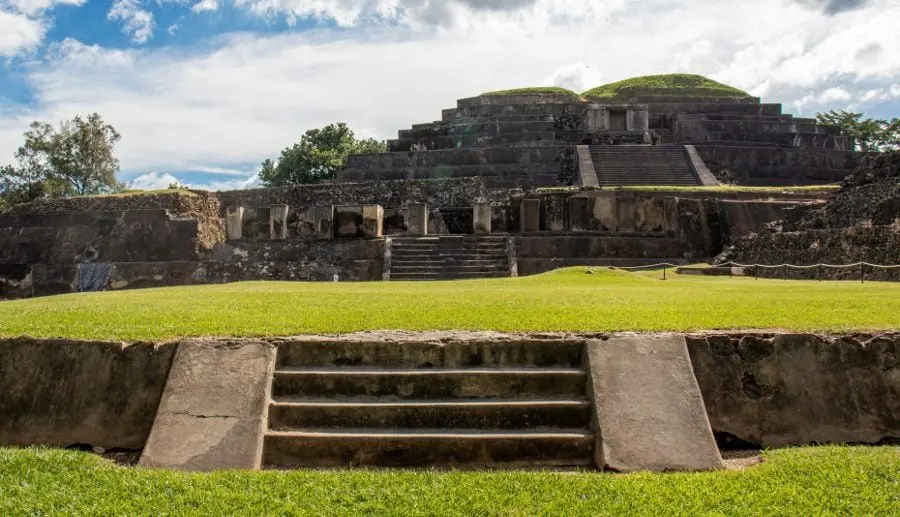
Head northwest to Chalchuapa in Santa Ana department and you can tick off two more sites in a single trip. Tazumal is the country's most recognisable ruin, a tall stepped pyramid built up over multiple construction phases, with burials, pottery and clear evidence of trade links stretching across Mesoamerica. Nearby Casa Blanca adds more ceremonial structures and rounds out a full day of ancient history — plus Chalchuapa is a pleasant, low-key Salvadoran town to base yourself in.
The fifth park, Cihuatán, sits north of San Salvador and tells a later story. Built in the Early Postclassic period after the great Classic Maya centres declined, it was a sprawling city with ballcourts, residential zones and plazas before it was mysteriously abandoned. Archaeologists are still working out why, which gives a visit a genuine sense of discovery.
Why it matters: El Salvador remains far less visited than Guatemala or Honduras for ruins, meaning you'll often share these sites with only a handful of other travellers. The sites are affordable, well signposted, and close enough to the capital, Santa Ana and the Pacific coast to slot into a wider itinerary. If you've seen Tikal or Copán and want something quieter — or you simply want to see how ancient people actually lived rather than how their rulers wanted to be remembered — this is the trip.
Beyond the five parks, places like Quelepa in the east and Cara Sucia in the west hint at how much more is still being excavated, though facilities there are limited for now.