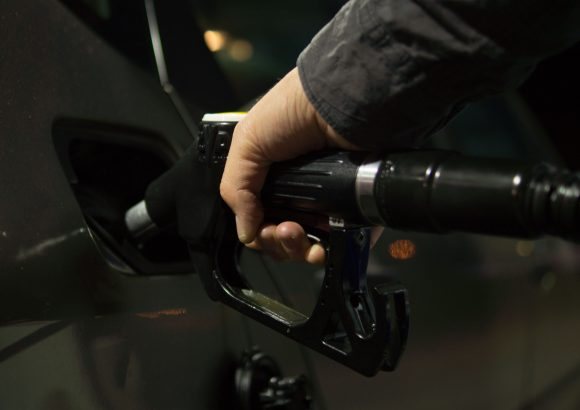
Fuel is getting expensive fast in the Dominican Republic, and the government is spending heavily to keep pump prices from passing the pain straight on to consumers. At a forum in Santo Domingo called "New Reality: Dominican Republic Facing the Global Impact on Fuels," held at the Hotel El Embajador, ministers and business leaders debated how much longer the country can keep absorbing the cost.
The numbers tell the story. Since January, diesel prices have climbed 130.2% and petrol 87%, while the WTI crude benchmark rose only 67.6% — meaning local prices are outrunning global crude. A quirk in the market: WTI actually fell 3.3% between September and October (from US$94.60 to US$91.40 a barrel), yet premium diesel jumped 9.4% in the same period, from US$191.30 to US$209.20. Refining costs, not crude, are doing the damage.
To cushion the blow, the state has been paying an average of RD$1.228 billion per week in fuel subsidies since 7 March — a figure that has risen to around RD$1.5 billion a week over the last 15 weeks. Industry and Commerce Minister Eduardo "Yayo" Sanz Lovatón flagged that the government may start targeting those subsidies at particular fuels, sectors or population groups rather than spreading them across everything. Finance and Economy Minister Magín Díaz outlined where the money actually goes: imports make up 70.8% of the diesel price, taxes 19.5%, and distribution and marketing margins 10.7%.
Why should a traveller care? Because transport costs filter into almost every Dominican holiday. Taxi and gua-gua fares, private transfers, car rental rates and even tour prices all move with fuel economics, and any shift away from broad subsidies could eventually show up in what visitors pay to get around the island. The Dominican Republic is heavily dependent on road transport — think trips from Punta Cana to Santo Domingo, or road-tripping the north coast — so fuel policy is quietly holiday-relevant even if it never makes a headline in the brochures.
For now, nothing has changed for visitors: the subsidies remain in place and domestic prices are being held down relative to global markets. But the debate in Santo Domingo signals that the current model may not last indefinitely. If you're planning a self-drive trip or a multi-stop itinerary, budgeting a little extra for ground transport is a sensible hedge, and it's worth watching whether targeted subsidies reshape prices in the coming months.